Urea, a critical nitrogen fertilizer, is commonly transported in bulk quantities across industrial and agricultural settings. Pneumatic conveying is a widely adopted method for moving urea due to its efficiency, flexibility, and ability to handle fine powders without excessive dust generation. This article explores the fundamentals of urea pneumatic conveying, outlines the primary classifications of such systems, and discusses their practical applications in various industries.
Understanding Urea Pneumatic Conveying
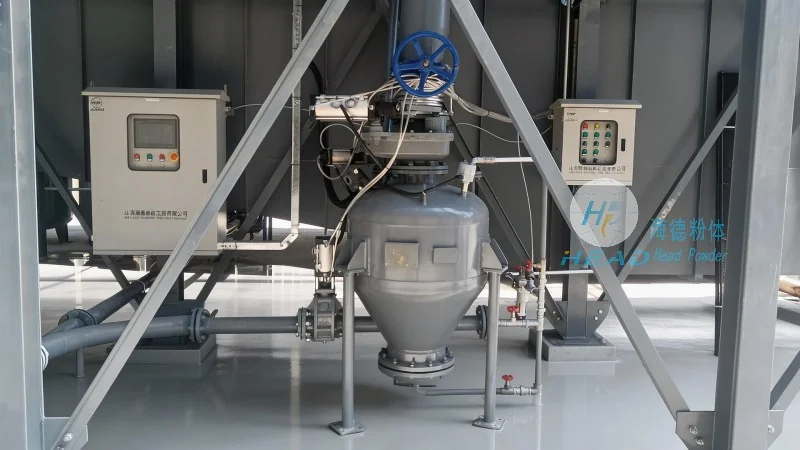
Urea pneumatic conveying involves the transportation of urea granules or powder through a pipeline using air or another gas as the conveying medium. The process relies on the principle of creating a pressure differential within the system. In an absorption system, a vacuum is generated at the material intake point, drawing urea into the pipeline. Conversely, a pressure system uses compressed air to push urea through the pipeline from a storage or processing unit. This method eliminates the need for mechanical components like conveyors or elevators, reducing maintenance and operational costs.
Classification of Pneumatic Conveying Systems
Pneumatic conveying systems for urea are typically classified based on several key factors, including the pressure used, the direction of material flow, and the system configuration. The main categories include:
1. Low-Pressure Systems
Low-pressure systems operate at pressures ranging from 0.5 to 1 bar. These systems are commonly used for short-distance transport, typically up to 50 meters. They are ideal for applications where the material is light and the conveying distance is minimal. Low-pressure systems are often employed in small-scale fertilizer storage facilities or in the initial stages of urea processing.
2. Medium-Pressure Systems
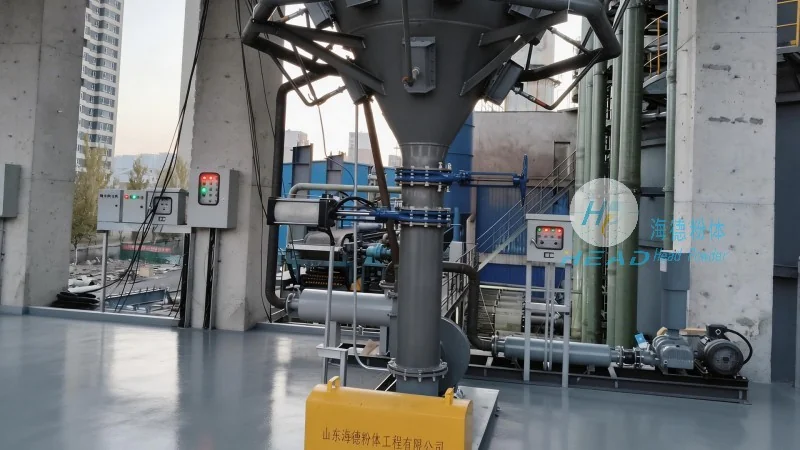
Medium-pressure systems operate at pressures between 1 and 5 bar. They are suitable for medium-distance transport, usually up to 200 meters. These systems provide a balance between efficiency and energy consumption, making them suitable for moderate-scale urea handling operations. Medium-pressure systems are frequently used in fertilizer production plants where urea is moved from storage silos to processing units or packaging lines.
3. High-Pressure Systems
High-pressure systems operate at pressures exceeding 5 bar, sometimes reaching up to 15 bar. These systems are designed for long-distance transport, often exceeding 200 meters. High-pressure systems are capable of handling larger quantities of urea and are commonly used in large-scale industrial facilities, such as fertilizer complexes or chemical plants. They require robust equipment to withstand the high pressures and ensure reliable operation over extended distances.
4. Vacuum vs. Pressure Systems
Based on the method of material intake, pneumatic conveying systems are divided into vacuum and pressure systems. Vacuum systems are advantageous for collecting urea from low-level storage or processing areas, as they can draw material from a lower elevation. Pressure systems, on the other hand, are better suited for moving urea to higher elevations or to distant locations where a pressure source is available. Many modern urea handling facilities utilize a combination of both vacuum and pressure systems to optimize material flow and minimize energy consumption.
Applications of Urea Pneumatic Conveying
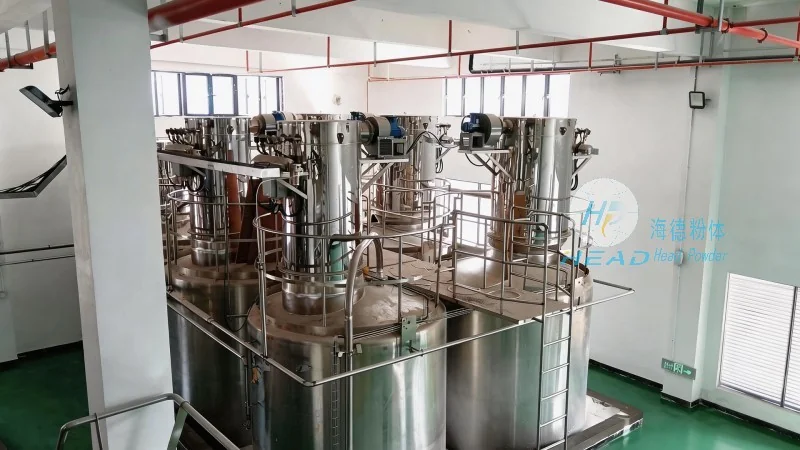
The versatility of urea pneumatic conveying makes it applicable across various sectors. In the agricultural industry, it is used to transport urea from production plants to storage silos, distribution centers, or directly to farms. This method ensures that urea is delivered efficiently and without the risk of dust contamination, which is critical for maintaining product quality and safety.
In the chemical industry, urea is often used as a raw material in the production of other compounds, such as carbamates or polymers. Pneumatic conveying systems are employed to transport urea from storage tanks to reactors or processing units. This ensures a continuous and controlled supply of urea, which is essential for maintaining production rates and product consistency.
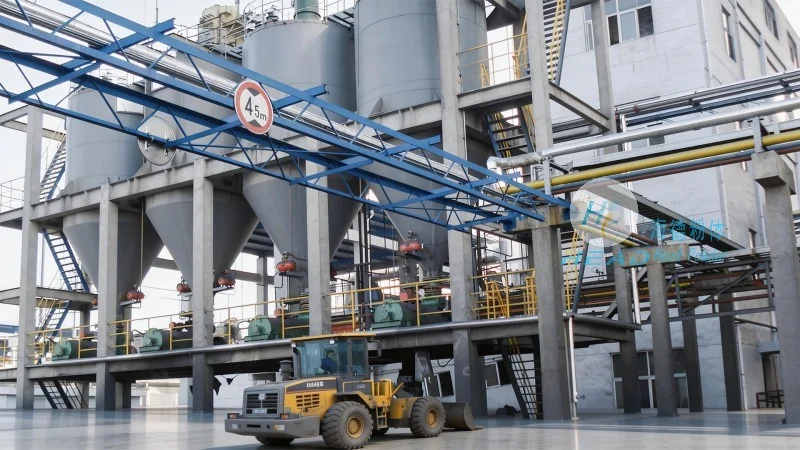
Additionally, in the fertilizer manufacturing sector, urea is commonly blended with other nutrients or additives before packaging. Pneumatic conveying facilitates the precise mixing of urea with these components, ensuring uniform product quality. The ability to handle fine powders without agglomeration or segregation makes pneumatic conveying an ideal choice for such applications.
Benefits and Considerations
Urea pneumatic conveying offers several advantages over traditional bulk material handling methods. These include reduced labor costs due to automated operation, lower maintenance requirements compared to mechanical systems, and improved safety by minimizing exposure to dust and handling hazards. However, the system also has considerations, such as the need for proper air filtration to prevent dust accumulation in the pipeline and the requirement for regular system checks to maintain optimal performance.
Shandong HeadPowder Engineering Co., Ltd., a leading provider of bulk material handling solutions, specializes in designing and implementing urea pneumatic conveying systems tailored to the specific needs of clients. With decades of experience in the industry, the company has developed advanced systems that enhance efficiency, reduce energy consumption, and ensure compliance with environmental regulations. Based in Shandong, China, HeadPowder Engineering leverages its expertise to deliver reliable and cost-effective solutions for urea and other bulk material transport.




