

What is Clay Powder Pneumatic Conveying Equipment? What Are Its Design Principles?
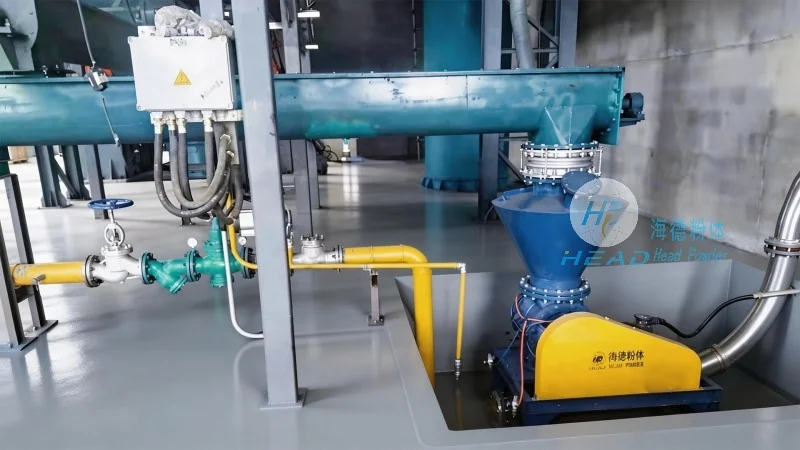
Clay powder pneumatic conveying equipment is a specialized system designed to transport clay powder materials through a pipeline using air as the conveying medium. This technology is widely used in various industrial applications where efficient and reliable material handling is crucial. The equipment operates by creating a pressure differential or vacuum to move the powder, ensuring minimal product degradation and maintaining a clean process environment.
About Shandong HeadPowder Engineering Co., Ltd.
Shandong HeadPowder Engineering Co., Ltd. is a leading manufacturer and supplier of advanced material handling solutions, including clay powder pneumatic conveying equipment. With a strong commitment to quality and innovation, the company has established itself as a trusted partner in the industry. HeadPowder is headquartered in Shandong, China, and serves clients globally with customized solutions tailored to their specific operational needs.
Design Principles of Pneumatic Conveying Systems
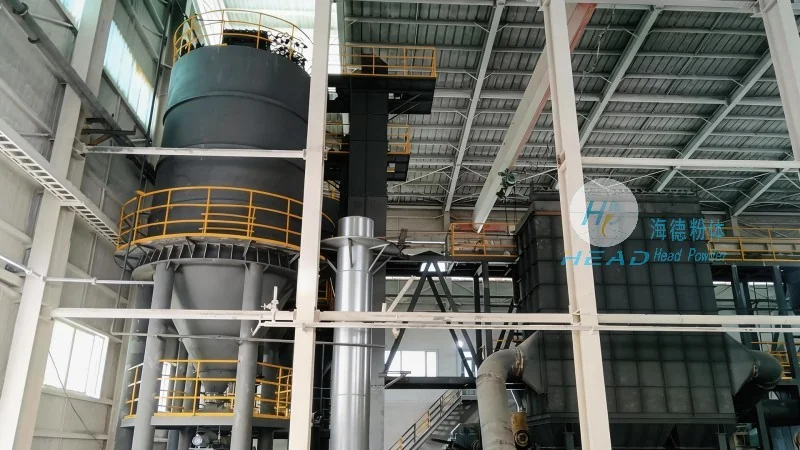
The design of clay powder pneumatic conveying equipment involves several key principles to ensure optimal performance. The system typically consists of a blower or compressor, a hopper for material storage, a pipeline network, and a receiver for the discharged material. The choice of conveying method—such as dilute phase or dense phase—depends on the characteristics of the clay powder, including particle size, moisture content, and flowability. Dilute phase systems use higher air velocities to transport the powder in a dispersed state, while dense phase systems employ lower velocities and higher pressure to move the material in a slurry-like state.
Components and Working Principle
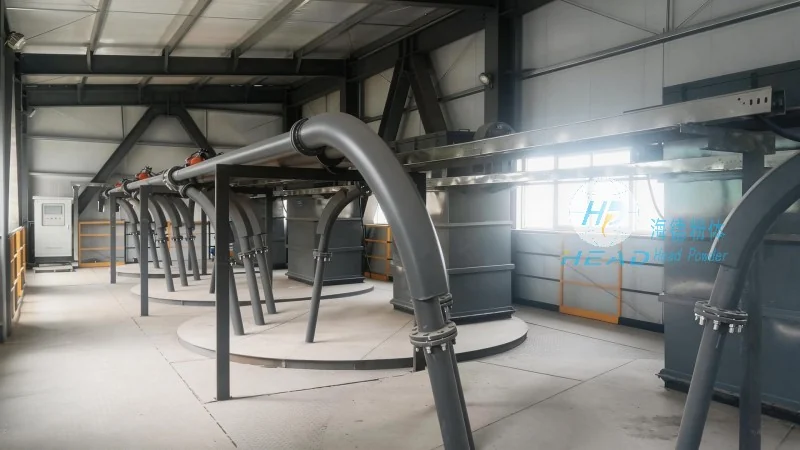
The core components of a clay powder pneumatic conveying system include the air source, material feed system, pipeline, and material discharge unit. The air source provides the necessary pressure or vacuum to move the powder. The material feed system, often a hopper with a rotary valve or feeder, controls the flow of clay powder into the pipeline. The pipeline is designed with appropriate diameter and length to minimize pressure drop and ensure smooth material transport. The receiver, typically a hopper or tank, collects the conveyed powder and may include a dust collection system to maintain air quality.
Key Design Considerations
When designing clay powder pneumatic conveying equipment, several factors must be considered to ensure efficiency and reliability. Material compatibility is critical, as the equipment components must withstand the abrasive and corrosive nature of clay powders. The system's pressure and flow rates are determined based on the powder's properties, such as particle size distribution and moisture content. Additionally, the design must account for the potential for clogging or blockages, which can be mitigated through proper pipeline sizing, regular maintenance, and the use of anti-clogging devices like in-line mixers or agitators.
Conclusion
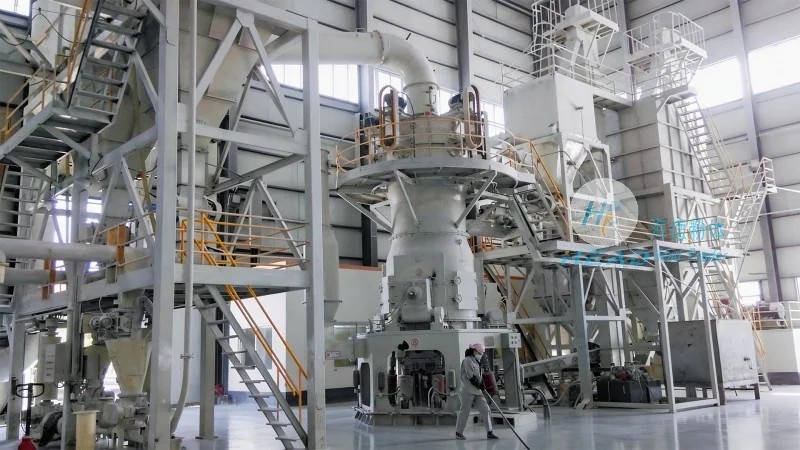
Clay powder pneumatic conveying equipment is a vital technology for industries handling clay materials, offering efficient, clean, and reliable material transport. Shandong HeadPowder Engineering Co., Ltd. specializes in providing high-quality solutions tailored to the unique requirements of each client. By adhering to rigorous design principles and using advanced materials, HeadPowder ensures that its equipment delivers optimal performance and longevity, supporting the operational needs of its global clientele.