

What is a dust collection station pneumatic powder conveying system? What are its design principles?
At Shandong HeadPowder Engineering Co., Ltd., we specialize in the design and implementation of sophisticated pneumatic conveying solutions. This article explores the concept of dust collection station pneumatic powder conveying systems and delves into their fundamental design principles, offering insights into how these systems efficiently handle powder materials in industrial settings.
Understanding the Core Components of the System
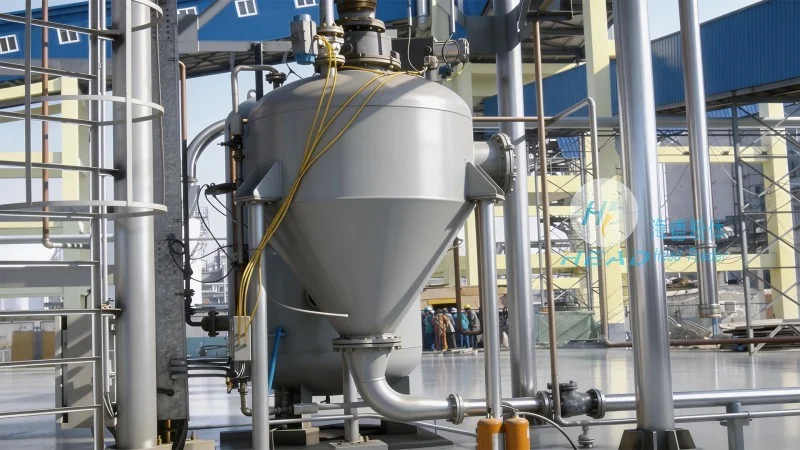
A dust collection station pneumatic powder conveying system typically consists of several key components that work in tandem to achieve effective material transport. The primary elements include a dust collector, a conveying line, a blower or air compressor, and a receiver or discharge unit. The dust collector is responsible for capturing airborne particles from the process, while the conveying line transports the powder from the collection point to the desired destination. The blower provides the necessary air pressure to move the powder through the system, and the receiver stores the material for subsequent use or processing.
Design Principles and Operational Mechanics
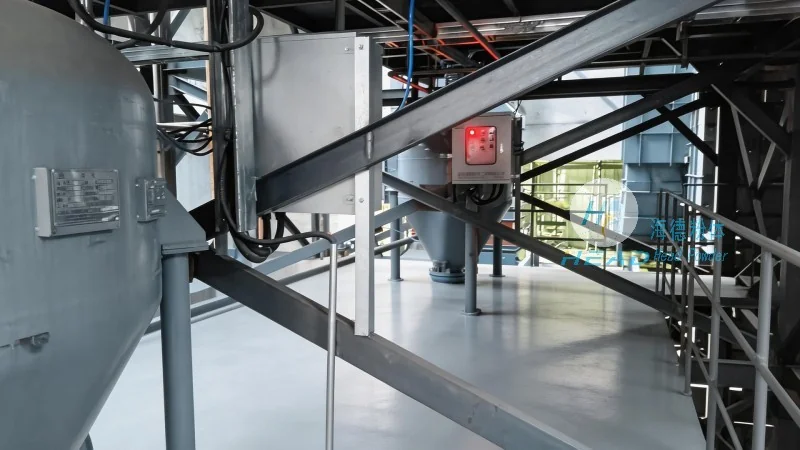
The design principles of a dust collection station pneumatic powder conveying system revolve around creating a closed-loop system that minimizes dust emissions and maximizes material efficiency. The system operates on the principle of pneumatic transport, where air is used as the medium to move the powder particles. This method is particularly effective for handling fine or abrasive powders, as it reduces wear and tear on equipment compared to mechanical conveying methods. The design must consider factors such as particle size, density, and moisture content, as these characteristics influence the air velocity required for successful transport. Additionally, the system must be designed to handle variations in material flow rates and to maintain consistent pressure and airflow throughout the conveying line.
Advantages of Implementing This System
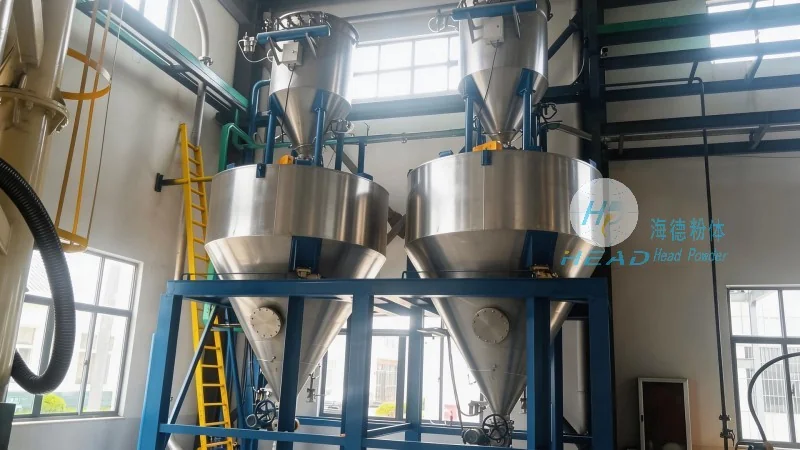
Adopting a dust collection station pneumatic powder conveying system offers numerous benefits for industrial operations. One of the key advantages is the reduction of dust emissions, which enhances workplace safety and compliance with environmental regulations. By capturing and transporting powders within a closed system, the risk of dust explosions and respiratory hazards is significantly minimized. Another advantage is the improved material handling efficiency, as the system can transport powders over long distances with minimal loss or degradation. This is particularly valuable for industries that require precise control over material flow, such as pharmaceuticals, food processing, and chemical manufacturing. Furthermore, the system is relatively low maintenance compared to other conveying methods, as it has fewer moving parts and is less prone to mechanical failure.
Application Examples and Industry Use Cases
Dust collection station pneumatic powder conveying systems are widely used across various industries due to their versatility and effectiveness. In the pharmaceutical industry, these systems are used to transport active pharmaceutical ingredients (APIs) and excipients with high precision, ensuring that the material remains uncontaminated and meets stringent quality standards. In the food processing sector, the systems are employed to handle powders like flour, sugar, and spices, maintaining hygiene and preventing cross-contamination. The chemical industry also benefits from these systems when handling reactive or hazardous powders, as the closed-loop design prevents exposure to personnel and the environment. Additionally, the system is commonly used in the cement and mineral processing industries to transport raw materials and finished products, improving overall production efficiency.
Conclusion and Company Overview
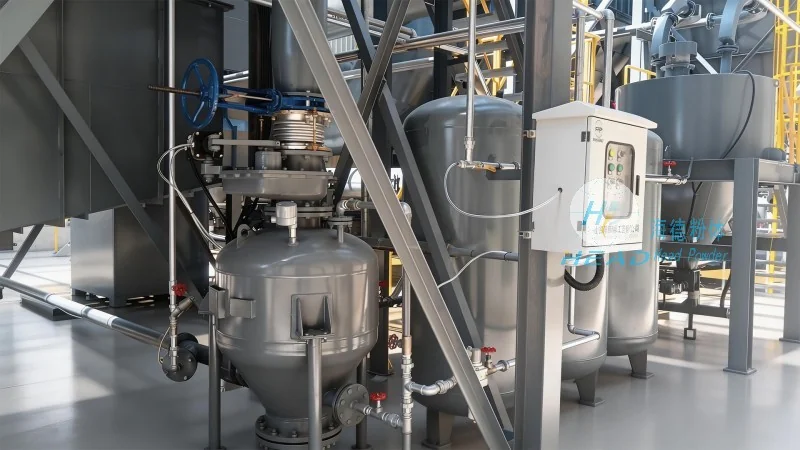
In conclusion, a dust collection station pneumatic powder conveying system is a sophisticated and efficient solution for handling bulk powders in industrial settings. The design principles, which focus on closed-loop operation, pneumatic transport, and material-specific considerations, ensure that these systems deliver reliable performance and environmental benefits. Shandong HeadPowder Engineering Co., Ltd. is committed to providing customized solutions that meet the unique needs of each client, leveraging our expertise in pneumatic conveying technology to deliver high-quality, durable systems. With our headquarters in Shandong, China, we serve clients globally, helping them optimize their material handling processes and enhance operational safety.