HeadPowder, a leading manufacturer based in Shandong, China, specializes in the design and production of advanced pneumatic conveying systems for various powder materials, including spices. This article provides a detailed overview of the operation process and working principle of their spices powder pneumatic conveying machines, highlighting the technical aspects and practical applications.
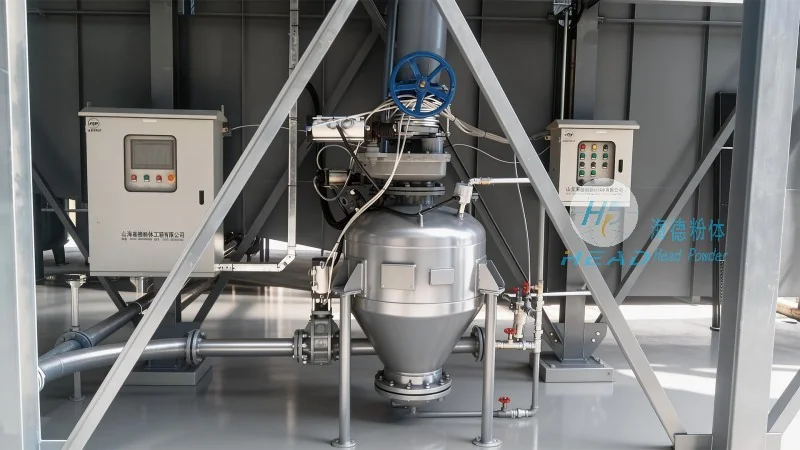
Introduction to Spices Powder Pneumatic Conveying Machines
Spices powder pneumatic conveying machines are essential equipment in the food processing industry, particularly for handling fine and sensitive powders like spices. These systems utilize air or gas as the conveying medium to transport powders from one location to another efficiently and hygienically. The design of such machines is tailored to maintain product quality, prevent contamination, and ensure smooth operation in demanding production environments.
Key Components of the Pneumatic Conveying System
The spices powder pneumatic conveying machine consists of several critical components that work in tandem to achieve effective material transport. These include the hopper for material storage, a rotary valve or feeder to control the flow of powder, a conveying line (usually made of stainless steel to ensure hygiene), a blower or compressor to generate the necessary air pressure, and a receiver or discharge unit for the delivered material. Each component plays a vital role in the overall functionality and reliability of the system.
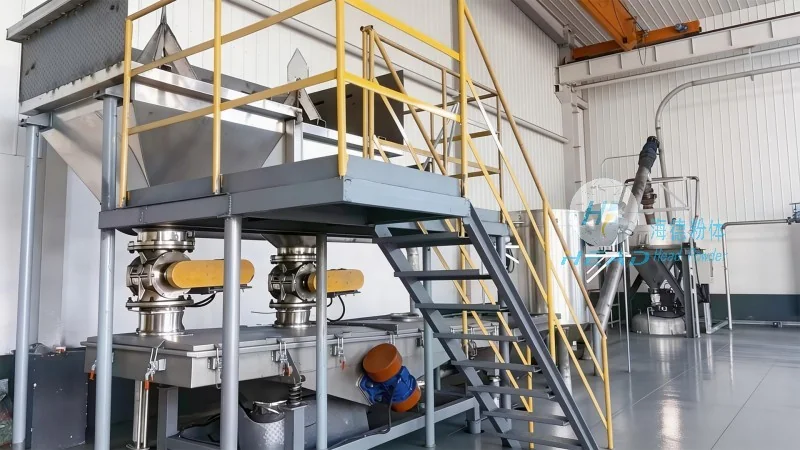
Operation Process of the Spices Powder Pneumatic Conveying Machine
The operation process of the spices powder pneumatic conveying machine can be broken down into several sequential steps. First, the raw spices are loaded into the hopper, which is equipped with a lid to prevent contamination and maintain a controlled environment. Next, the rotary valve or feeder regulates the flow of powder from the hopper into the conveying line. Simultaneously, the blower or compressor starts, generating a high-pressure air stream that propels the powder particles through the conveying line. As the air and powder mixture travels, the powder is suspended and transported to the discharge point. The receiver or discharge unit then collects the conveyed spices, and the air is typically filtered and recycled back into the system to minimize energy consumption and environmental impact.
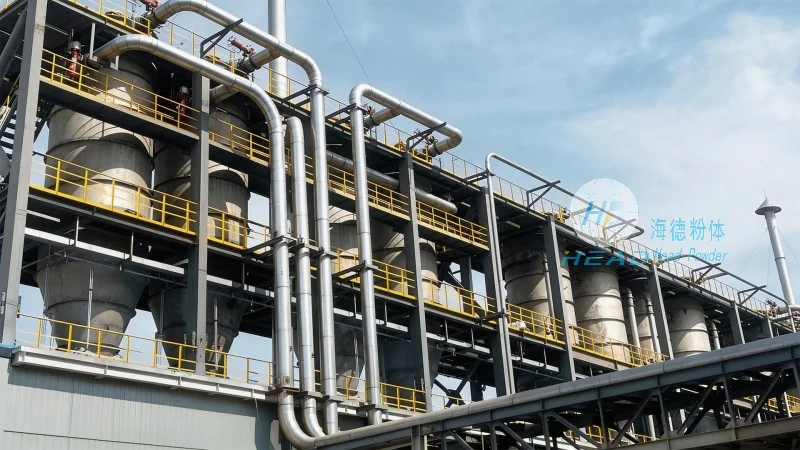
Working Principle of the Pneumatic Conveying System
The working principle of the spices powder pneumatic conveying machine is based on the fundamental concept of pneumatic transport, where the powder is entrained and carried by the air stream. When the blower or compressor produces a high-pressure air flow, the air enters the conveying line and creates a pressure differential. This pressure differential draws the powder from the hopper into the air stream, forming a dense phase or dilute phase mixture depending on the system design and operating conditions. The dense phase conveying is characterized by a higher powder concentration, which is suitable for long-distance transport and high material throughput, while the dilute phase conveying is more efficient for shorter distances and lower material loads.
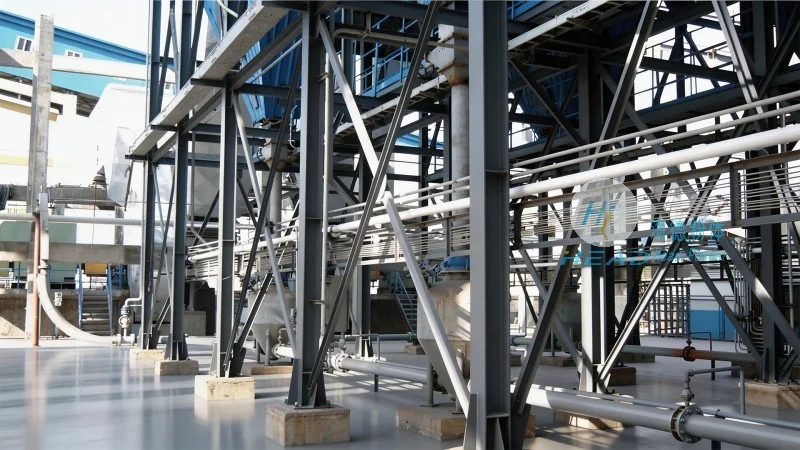
Advantages and Applications in the Spices Industry
Spices powder pneumatic conveying machines offer several advantages over traditional mechanical conveying methods. These include improved hygiene and cleanliness, as the system is enclosed and prevents dust contamination. Additionally, the equipment is highly flexible, allowing for easy integration into existing production lines and adaptation to varying production volumes. The systems are also energy-efficient, as the air can be recycled and reused, reducing operational costs. In the spices industry, these machines are widely used for transporting various spices, including pepper, cinnamon, cumin, and ginger, from storage silos to processing units, packaging lines, or storage facilities. The ability to maintain product quality and prevent degradation makes them an ideal choice for sensitive spice powders.
Maintenance and Operational Considerations
To ensure the optimal performance and longevity of the spices powder pneumatic conveying machine, regular maintenance is essential. This includes cleaning the hopper and conveying line to prevent powder buildup and clogging, inspecting the rotary valve and feeder for wear and tear, and checking the blower or compressor for proper air pressure and flow. Additionally, monitoring the air filtration system is crucial to maintain air quality and prevent dust accumulation in the system. Proper operational considerations, such as controlling the flow rate and pressure, also contribute to the efficient and safe operation of the machine. By adhering to these maintenance and operational guidelines, users can maximize the system's efficiency and minimize downtime.




