For industrial applications involving the transport of corn kernels as a powder or granular material, pneumatic conveying systems offer an efficient and reliable solution. The system designed by Shandong HeadPowder Engineering Co., Ltd. (commonly known as headpowder) is engineered to handle the unique characteristics of corn kernels, ensuring smooth operation and minimal material degradation. This article outlines the operation process and working principle of the corn kernels powder pneumatic conveying line, providing a comprehensive understanding of its functionality and benefits.
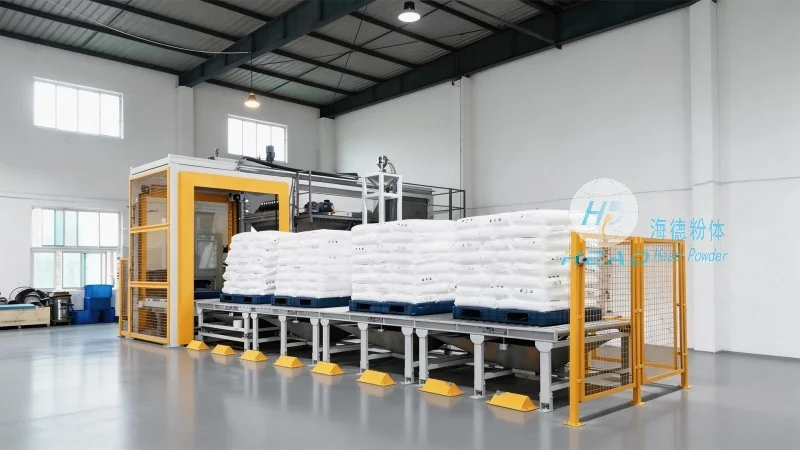
Working Principle of the Pneumatic Conveying System
The core of the corn kernels powder pneumatic conveying line is the pneumatic transport mechanism, which utilizes air pressure to move material through a pipeline. The system operates by generating a pressure differential between the inlet and outlet of the conveying line. At the material loading point, corn kernels are introduced into the system, typically via a hopper or feeder. The material is then mixed with a controlled volume of air, creating a slurry or suspension that is propelled forward by the pressure differential. The air flow is managed by a blower or compressor, which supplies the necessary energy to move the material through the pipeline. The system includes components such as a dust collector, filter, and control valves to ensure efficient and clean operation. The working principle emphasizes the use of positive or negative pressure to transport the material, depending on the specific application requirements. The design minimizes friction and abrasion, preserving the quality of the corn kernels during transport.
Step-by-Step Operation Process
The operation of the corn kernels powder pneumatic conveying line follows a systematic sequence of steps, ensuring consistent and reliable material handling. The process begins with material preparation at the loading station. Corn kernels are stored in a hopper, where they are fed into the system via a rotary valve or screw feeder. The feeder controls the flow rate of the material, maintaining a steady supply to the conveying line. Next, the material is introduced into the conveying pipeline, where it is mixed with compressed air from the blower. The air and material mixture travels through the pipeline, moving from the loading point to the discharge point. The pipeline is equipped with bends, elbows, and straight sections, designed to accommodate the path of the conveying line while minimizing pressure loss. At the discharge end, the material is separated from the air using a cyclone separator or filter. The separated corn kernels are collected in a receiving hopper, while the air is filtered and returned to the system or released to the atmosphere. The system includes control mechanisms to monitor pressure, flow rate, and material level, ensuring optimal operation. Regular maintenance, such as cleaning the filter and checking the blower performance, is essential to maintain the efficiency of the system. The operation process is designed to be automated, reducing the need for manual intervention and improving overall productivity.
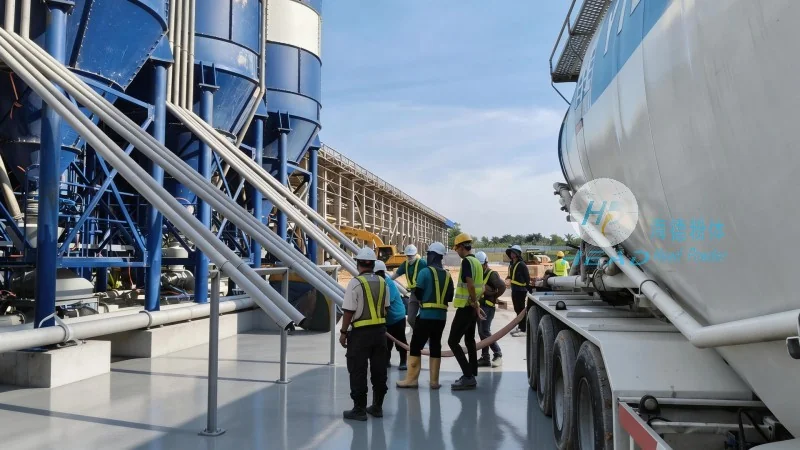
Key Components and Their Functions
The corn kernels powder pneumatic conveying line consists of several critical components, each playing a vital role in the system's performance. The primary components include the material feeder, blower or compressor, conveying pipeline, cyclone separator, filter, and control system. The material feeder, such as a rotary valve or screw feeder, regulates the flow of corn kernels into the system, ensuring a consistent feed rate. The blower or compressor provides the necessary air pressure to move the material through the pipeline, with adjustable speed and pressure settings to match the material characteristics. The conveying pipeline is made of durable materials, such as stainless steel or plastic, to withstand the abrasive nature of corn kernels and the effects of air pressure. The cyclone separator or filter is responsible for separating the corn kernels from the air, preventing material loss and maintaining air quality. The control system monitors and regulates the operation of the blower, feeder, and separator, ensuring the system operates within optimal parameters. Additional components may include a dust collector, pressure relief valves, and safety interlocks to enhance system safety and efficiency. Each component is designed to work in harmony, contributing to the overall effectiveness of the pneumatic conveying system.
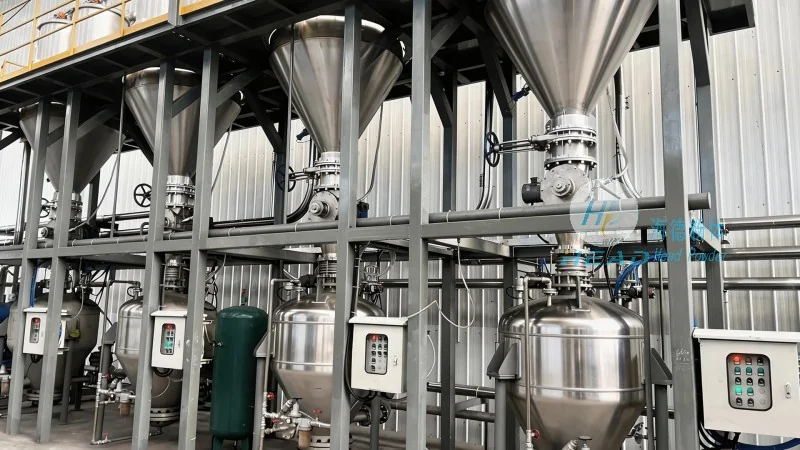
Advantages of the Pneumatic Conveying System
The corn kernels powder pneumatic conveying line offers several advantages over traditional material handling methods, such as belt conveyors or bucket elevators. One of the key benefits is the ability to transport material over long distances without the need for multiple transfer points. The system is also capable of handling materials with varying moisture content and particle sizes, making it suitable for diverse industrial applications. The pneumatic conveying system minimizes material degradation, as the material is not subjected to excessive friction or impact during transport. This is particularly important for corn kernels, which can be sensitive to mechanical stress. Additionally, the system is relatively compact and can be installed in confined spaces, reducing the footprint of the material handling system. The automated operation of the system reduces labor costs and improves safety by minimizing human interaction with the material. The system also offers flexibility in terms of material flow direction and speed, allowing for customization to meet specific production requirements. Overall, the corn kernels powder pneumatic conveying line provides an efficient, reliable, and cost-effective solution for transporting corn kernels in industrial settings.
Applications and Industries
The corn kernels powder pneumatic conveying line is widely used in various industries that process corn kernels, including food processing, animal feed manufacturing, and biofuel production. In the food processing industry, the system is used to transport corn kernels to milling and grinding operations, ensuring a consistent supply of raw material. In animal feed manufacturing, the system is employed to move corn kernels to mixing and pelleting equipment, maintaining the quality and uniformity of the feed. In biofuel production, the system is used to transport corn kernels to ethanol production facilities, where they are processed into fuel. The system is also suitable for other applications, such as the transport of corn kernels in research and development laboratories or small-scale processing plants. The versatility of the pneumatic conveying system makes it an ideal choice for industries that require efficient and reliable material handling solutions. The system's ability to handle different material characteristics and flow rates makes it adaptable to various production scales and requirements.




