

What is a Cement Tank Truck Powder Pneumatic Conveying System? And What Are Its Design Principles?
For industrial operations dealing with bulk powder materials, especially in the cement industry, the cement tank truck powder pneumatic conveying system has become an essential technology for efficient material transport. This system is designed to move powders like cement, fly ash, and other bulk materials from storage silos to processing or application sites without the need for traditional mechanical conveying methods. Understanding the system's components and design principles is crucial for optimizing material handling processes and ensuring operational efficiency.
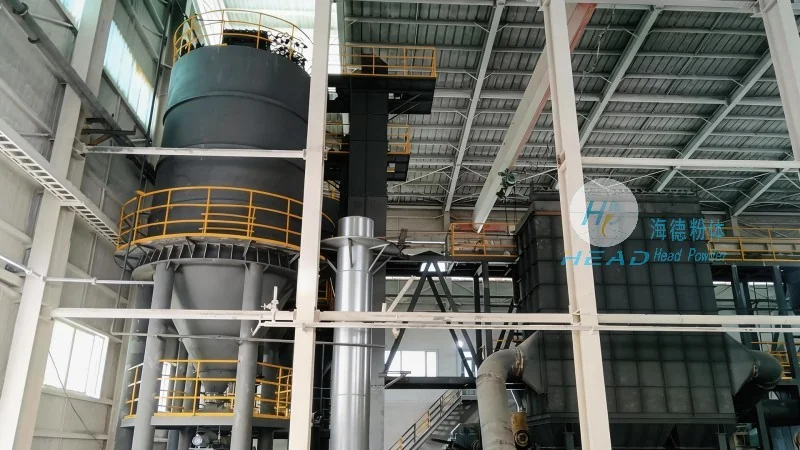
Overview of the Cement Tank Truck Powder Pneumatic Conveying System
The cement tank truck powder pneumatic conveying system is a specialized setup that integrates a cement tank truck with a pneumatic conveying system. The system typically includes a storage silo, a conveying pipeline, a pressure vessel (or air compressor), and the truck itself. The core function is to create a pressurized environment that propels the powder through the pipeline using air or other gases. This method offers advantages such as reduced dust generation, lower maintenance compared to mechanical systems, and the ability to transport materials over longer distances without intermediate storage.
Key Components of the System
Each component in the cement tank truck powder pneumatic conveying system plays a vital role in the overall operation. The storage silo is where the bulk powder is initially stored, often equipped with a hopper and a discharge valve to control the flow of material. The conveying pipeline connects the silo to the truck and is usually made of materials like stainless steel or plastic to prevent corrosion and material buildup. The pressure vessel or air compressor generates the necessary pressure to move the powder through the pipeline. Finally, the cement tank truck acts as the mobile storage and transport unit, equipped with a tank that can be pressurized and connected to the pipeline for material transfer.
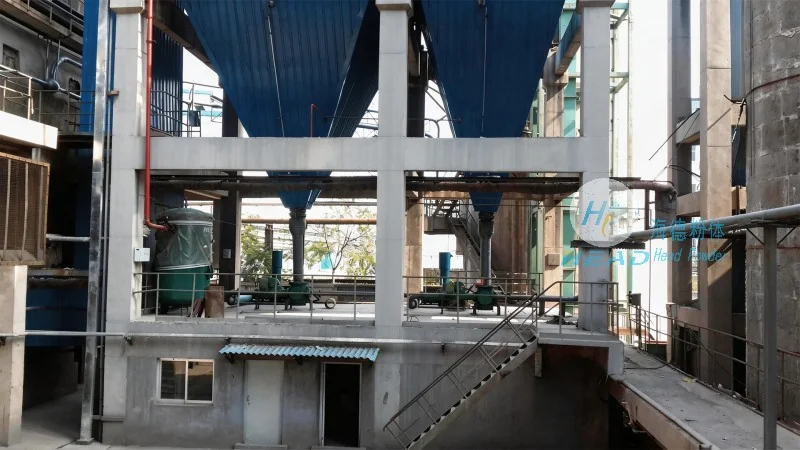
The Pneumatic Conveying Design Principles
The design of the cement tank truck powder pneumatic conveying system is based on the principles of fluidization and pressure-driven transport. When air is introduced into the powder bed in the silo, it creates a fluidized state where the powder particles are suspended and can be moved by the air flow. The system operates under either positive pressure (where air is forced into the pipeline) or negative pressure (where air is drawn out), depending on the specific design. The pressure level is carefully controlled to ensure the powder moves smoothly without clogging or excessive pressure loss. Factors such as the particle size, density, and moisture content of the powder are considered in the design to optimize the conveying efficiency and prevent issues like blockages or material degradation.
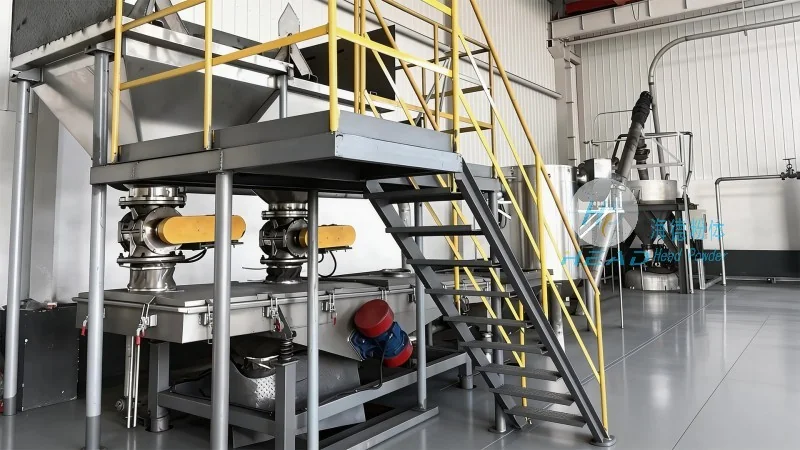
Operational Workflow and Efficiency
The operational workflow of the cement tank truck powder pneumatic conveying system involves several steps. First, the truck is positioned at the storage silo and connected to the conveying pipeline. The pressure vessel then generates the required pressure, and the powder is released from the silo into the pipeline. The air and powder mixture travels through the pipeline to the truck's tank, where it is stored under pressure. When the truck reaches the application site, the pressure is released, and the powder is discharged into the processing equipment. This process is automated to some extent, reducing the need for manual handling and minimizing the risk of dust exposure. The efficiency of the system is measured by factors such as the conveying rate, pressure drop, and material recovery rate, all of which are optimized through proper design and maintenance.
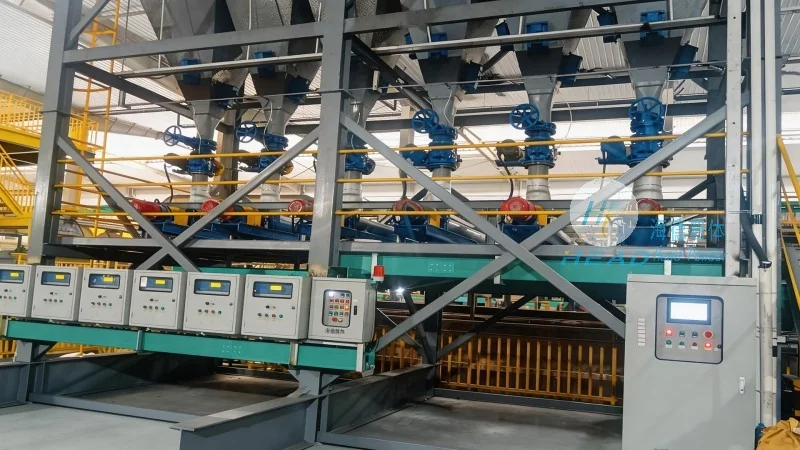
Advantages and Applications
Compared to traditional mechanical conveying methods, the cement tank truck powder pneumatic conveying system offers several advantages. It reduces the risk of dust contamination, which is critical in industries where powder handling is common. The system also allows for the transport of materials over longer distances without the need for intermediate storage, which can be costly and inefficient. Additionally, the system is more flexible, as the truck can be moved to different locations as needed, making it suitable for construction sites, industrial plants, and other applications where bulk powder transport is required. The system is widely used in the cement industry for transporting raw materials like limestone and clinker, as well as finished products like cement to construction sites or distribution centers.
About HeadPowder: Shandong HeadPowder Engineering Co., Ltd.
HeadPowder, or Shandong HeadPowder Engineering Co., Ltd., is a leading provider of engineering solutions for bulk material handling systems. With a focus on innovation and customer satisfaction, the company specializes in designing and manufacturing pneumatic conveying systems tailored to the needs of various industries, including cement, chemicals, and food processing. HeadPowder's team of experts works closely with clients to understand their specific requirements and develop customized solutions that enhance operational efficiency and reduce costs. The company is committed to using advanced technology and high-quality materials to ensure the reliability and longevity of its systems. Based in Shandong, China, HeadPowder serves clients both domestically and internationally, providing comprehensive support from system design to installation and maintenance. By leveraging its expertise in pneumatic conveying technology, HeadPowder helps businesses optimize their material handling processes and achieve their operational goals.