Shandong HeadPowder Engineering Co., Ltd., commonly known as headpowder, is a professional manufacturer specializing in the design, production, and installation of pneumatic conveying systems for various powder materials. With a focus on high-efficiency and reliable solutions, the company provides comprehensive services tailored to the needs of industrial clients. This article delves into the operation process and working principles of a polyethylene powder pneumatic conveying line, highlighting the technical aspects and practical applications of such systems.
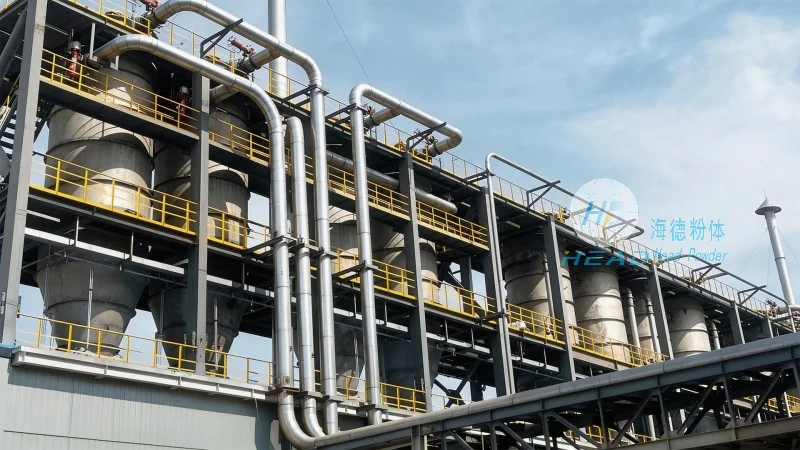
Overview of the Polyethylene Powder Pneumatic Conveying Line
A polyethylene powder pneumatic conveying line is a system designed to transport polyethylene powder from a storage or processing point to a destination, such as a mixer, storage silo, or processing unit. The system typically consists of several key components, including a hopper for material storage, a feeder to control the flow rate, a conveying pipeline, a blower or compressor to generate the necessary air pressure, and a receiver for the discharged material. The entire setup is engineered to ensure efficient, dust-free, and safe material transfer, minimizing product degradation and operational risks.
Key Working Principles of the Pneumatic Conveying System
The core principle of a pneumatic conveying system is the movement of solid particles (polyethylene powder in this case) suspended in a stream of air. This is achieved through the generation of airflow within the pipeline, which creates a pressure differential that propels the material forward. There are two main types of pneumatic conveying systems: positive pressure and negative pressure. Positive pressure systems use a blower to push air and material through the pipeline, while negative pressure systems employ a vacuum pump to draw material into the pipeline. For polyethylene powder, positive pressure systems are often preferred due to their ability to handle abrasive materials and maintain consistent flow rates.
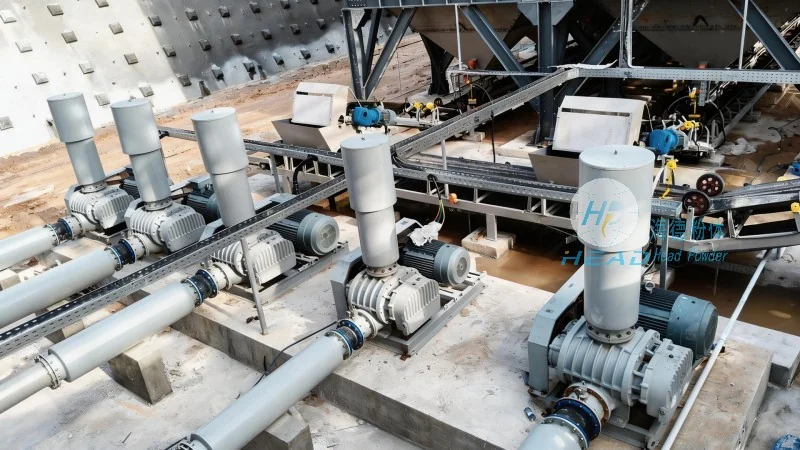
Step-by-Step Operation Process
The operation of a polyethylene powder pneumatic conveying line involves several sequential steps, each critical to the efficient transfer of material. The process begins with the loading of polyethylene powder into the hopper. The hopper is equipped with a feeder, such as a rotary valve or a screw feeder, which regulates the flow rate of the powder into the conveying pipeline. As the feeder opens, the powder falls into the pipeline, where it is immediately mixed with the high-velocity air stream generated by the blower. The air-powder mixture travels through the pipeline, maintaining a stable suspension to prevent material settling or blockages. The pipeline is designed with appropriate bends and elbows to guide the flow, and the air velocity is maintained at a level sufficient to keep the powder suspended without causing excessive wear on the system components.
Upon reaching the destination point, the air-powder mixture enters the receiver, which is typically a silo or a storage tank. The receiver is equipped with a vent or a filter to separate the air from the powder. The air is released into the atmosphere, while the polyethylene powder is collected and stored in the receiver. The receiver may also be equipped with a discharge valve or a conveyor to transfer the material to the next processing stage. Throughout the operation, the system monitors parameters such as air pressure, flow rate, and temperature to ensure optimal performance and prevent any potential issues, such as clogging or material degradation.
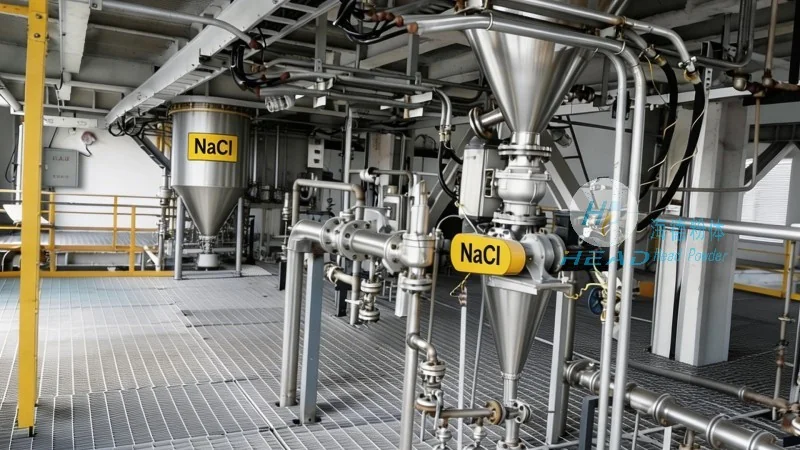
Technical Considerations and Maintenance
Several technical considerations are essential for the reliable operation of a polyethylene powder pneumatic conveying line. First, the material properties of polyethylene powder, such as particle size, density, and moisture content, significantly impact the system's performance. Larger or more abrasive particles may require higher air velocities and more robust pipeline materials to prevent wear and blockages. Second, the system must be designed to handle the specific flow rates required by the application, ensuring that the blower or compressor can provide sufficient air volume and pressure. Third, proper maintenance is crucial to prevent system failures and ensure long-term reliability. Regular checks of the hopper, feeder, and pipeline for wear or damage, as well as cleaning of the filter and receiver, are essential to maintain system efficiency and prevent material buildup.
Applications and Benefits
Polyethylene powder pneumatic conveying lines are widely used in various industries, including plastics manufacturing, chemical processing, and food processing. The primary benefits of such systems include efficient and dust-free material transfer, reduced labor costs compared to manual handling, and improved safety by minimizing exposure to airborne particles. Additionally, the system can be integrated with other processing equipment, such as mixers or extruders, to streamline production processes and enhance overall operational efficiency. For industrial clients, the investment in a well-designed pneumatic conveying system can lead to significant cost savings and improved product quality over time.




