For industries dealing with grain and bulk particle materials, efficient and reliable material handling is crucial. Pneumatic conveying systems have emerged as a sophisticated solution, offering a range of advantages over traditional mechanical methods. This article explores the working principle and key characteristics of pneumatic conveying for grain and bulk particle materials, highlighting how such systems enhance operational efficiency and product integrity.
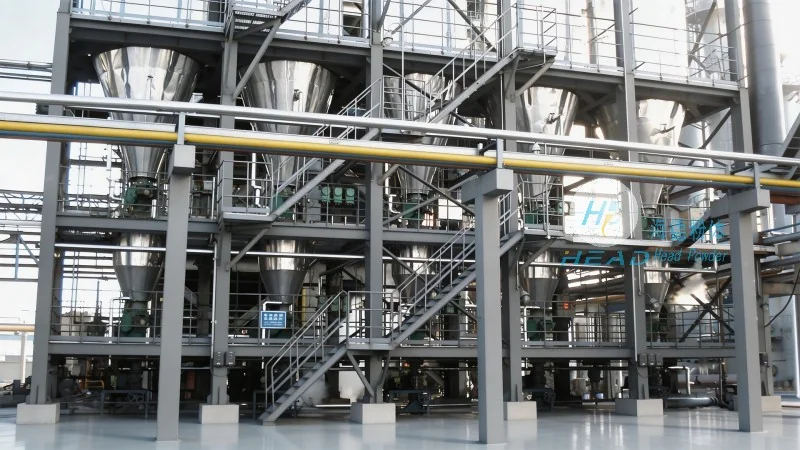
Working Principle of Pneumatic Conveying Systems
Pneumatic conveying operates by using air or gas as the primary medium to transport bulk materials through a network of pipes. The process typically involves a combination of positive and negative pressure systems, depending on the application requirements. In a positive pressure system, air is forced through the conveying line, carrying the material particles forward. Conversely, negative pressure systems draw air and material particles into a vacuum, pulling them through the system. The core components of a pneumatic conveying system include a feeder, a conveying line, a separator, and a dust collector. The feeder controls the flow rate of the material, while the conveying line transports it from the source to the destination. The separator separates the material from the air stream, and the dust collector removes any residual particles, ensuring clean operation and compliance with environmental standards.
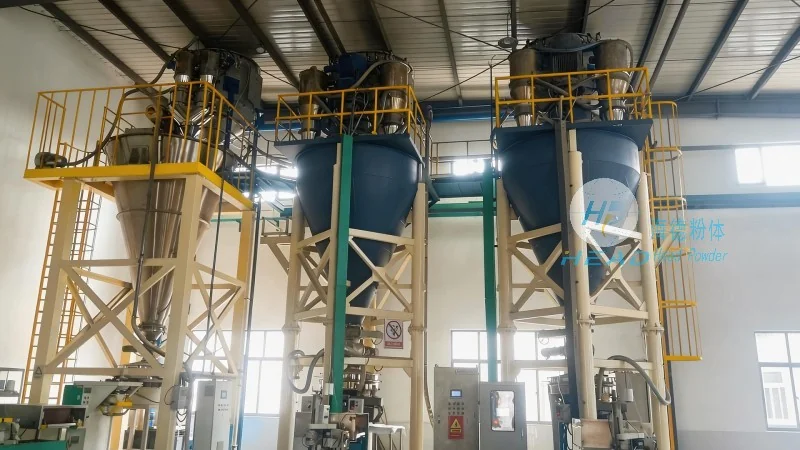
Key Characteristics of Pneumatic Conveying Systems
Pneumatic conveying systems for grain and bulk particle materials exhibit several distinct characteristics that make them ideal for various industrial applications. One of the most significant advantages is the absence of mechanical contact between the material and the conveying equipment. This minimizes product degradation, such as breakage or contamination, which is particularly important for delicate grain products. Additionally, pneumatic conveying systems are highly flexible, allowing for the integration of multiple feeding and discharge points, enabling complex material flow paths. They also offer excellent dust control, as the enclosed system prevents dust from escaping into the environment, reducing health hazards and maintaining workplace safety. Another key characteristic is the ability to handle a wide range of particle sizes and densities, from fine powders to large granules, making them versatile for diverse material types. Furthermore, these systems are relatively compact and can be installed in confined spaces, optimizing factory layouts and reducing footprint requirements.
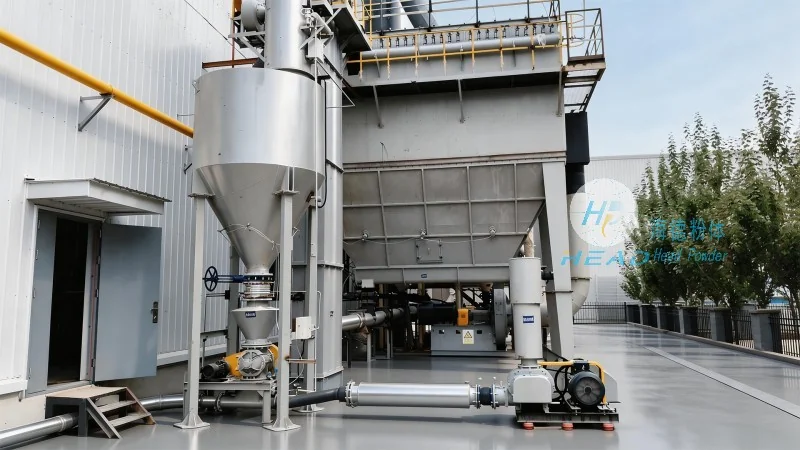
Application and Benefits in Grain Handling
In the grain handling industry, pneumatic conveying systems play a vital role in ensuring smooth and efficient operations. They are commonly used for transporting grain from storage silos to processing facilities, or for moving bulk materials between different stages of production. The benefits of using pneumatic conveying in grain handling include improved product quality, as the enclosed system prevents contamination from external sources. It also enhances operational safety by reducing the risk of dust explosions and inhalation hazards. Moreover, these systems offer high throughput rates, allowing for rapid material transfer, which is essential for meeting production demands in agricultural and food processing sectors. The flexibility of pneumatic conveying systems also enables easy integration with other processing equipment, such as cleaning, drying, or packaging machines, creating a seamless workflow from raw material to finished product.
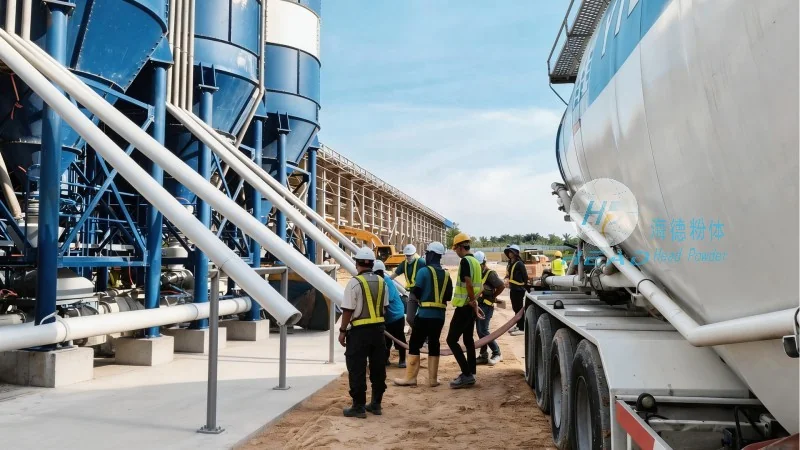
Company Profile: Shandong HeadPowder Engineering Co., Ltd.
Shandong HeadPowder Engineering Co., Ltd., commonly known as HeadPowder, is a leading manufacturer and supplier of pneumatic conveying systems and related equipment for grain and bulk particle materials. HeadPowder specializes in designing and manufacturing customized solutions tailored to the specific needs of clients in the agricultural, food processing, and chemical industries. With a strong commitment to quality and innovation, HeadPowder utilizes advanced technology and rigorous testing to ensure that their products meet the highest standards of performance and reliability. The company's headquarters is located in Shandong, China, where it has established a comprehensive production and research facility. HeadPowder's team of experienced engineers and technicians work closely with clients to understand their operational challenges and develop effective solutions that enhance productivity and reduce costs. By leveraging their expertise in pneumatic conveying technology, HeadPowder provides comprehensive support, from system design and installation to maintenance and after-sales service, ensuring long-term customer satisfaction and operational success.




