For industrial applications involving the handling of dry yeast, the selection of an efficient and reliable conveying system is crucial. One such technology that has gained prominence in the industry is the dry yeast pneumatic conveying machine. This equipment is designed to transport dry yeast particles through a pipeline using air pressure, offering a flexible and effective solution for material handling in various production environments. In this article, we will explore what a dry yeast pneumatic conveying machine is and delve into its underlying design principles.
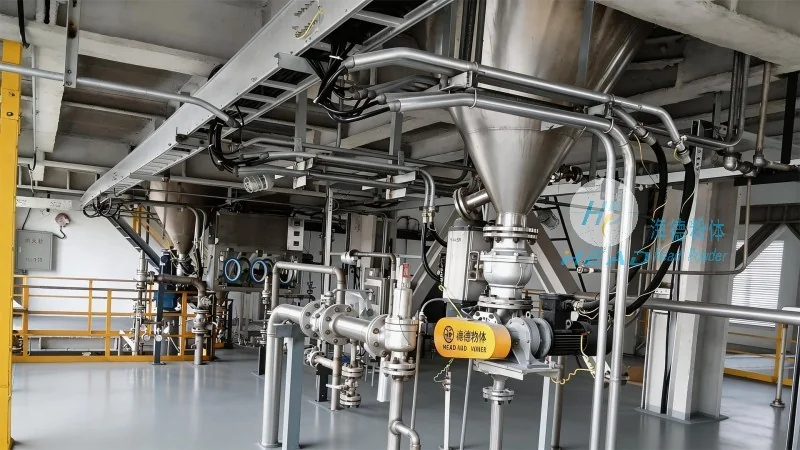
Understanding the Dry Yeast Pneumatic Conveying Machine
A dry yeast pneumatic conveying machine is a specialized piece of equipment used to transport dry yeast from one location to another within a production facility. It operates by utilizing air pressure to move the dry yeast particles through a sealed pipeline system. This method of conveying is particularly advantageous for handling fine or powdery materials like dry yeast, as it minimizes product contamination and loss while ensuring a consistent flow rate. The machine typically consists of a hopper, a blower or air compressor, a pipeline network, and a discharge point. The hopper serves as the storage container for the dry yeast, while the blower generates the necessary air pressure to propel the material through the pipeline. The pipeline network connects the hopper to the discharge point, allowing for the controlled movement of the dry yeast to its intended destination.
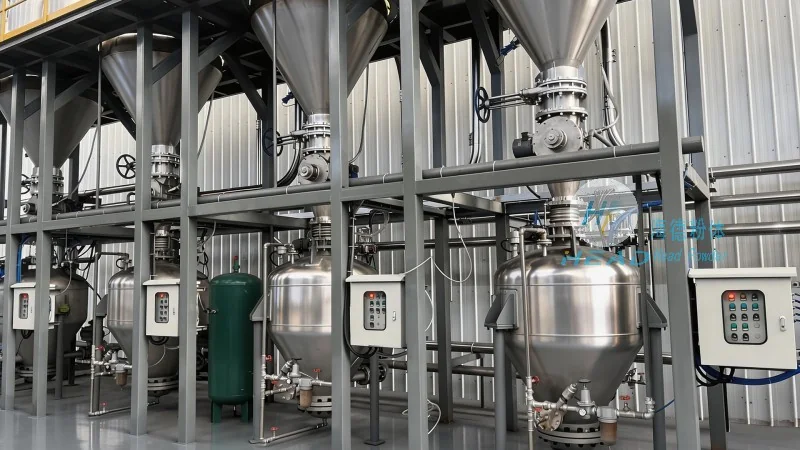
Key Design Principles of Dry Yeast Pneumatic Conveying Machines
The design of a dry yeast pneumatic conveying machine is based on several fundamental principles to ensure optimal performance and efficiency. These principles include the selection of appropriate air velocity, the use of suitable pipeline materials, and the implementation of effective separation and filtration systems. The air velocity within the pipeline is a critical factor, as it must be high enough to prevent the dry yeast particles from settling but low enough to avoid excessive wear on the equipment. The pipeline material is typically chosen for its resistance to corrosion and its ability to maintain a smooth interior surface, which reduces friction and energy consumption. Additionally, the design incorporates separation and filtration systems to remove any moisture or contaminants from the dry yeast, ensuring the final product meets quality standards. The machine is also engineered to handle variations in material flow rate and pressure, making it adaptable to different production requirements.
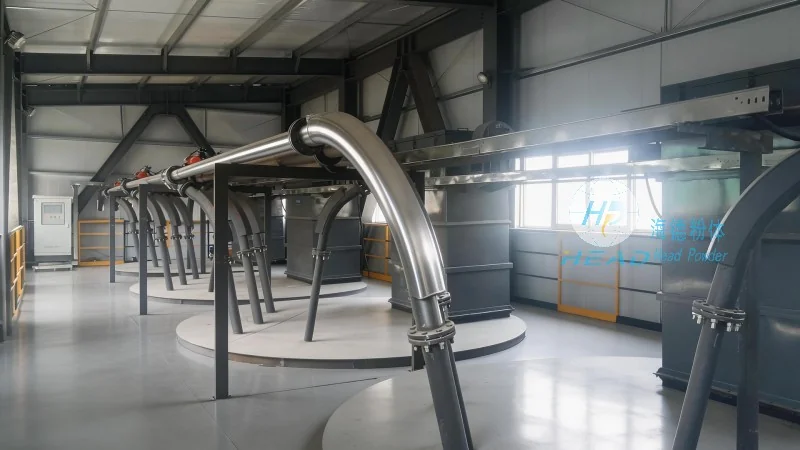
Benefits of Using a Dry Yeast Pneumatic Conveying Machine
Implementing a dry yeast pneumatic conveying machine in industrial processes offers several benefits. Firstly, it provides a hygienic and clean method of transporting dry yeast, which is essential for maintaining product quality and compliance with food safety regulations. The sealed pipeline system prevents contamination from external sources, ensuring the dry yeast remains pure throughout the conveying process. Secondly, the machine offers flexibility in terms of layout and installation, as the pipeline can be arranged to follow the existing production line layout. This allows for efficient use of space and easy integration into existing facilities. Thirdly, the pneumatic conveying system is energy-efficient compared to traditional methods like belt conveyors or bucket elevators, as it uses air pressure to move the material rather than mechanical components. This results in lower operational costs and reduced maintenance requirements. Lastly, the machine is designed for high reliability and durability, with components that are built to withstand the demands of continuous operation in industrial environments.
Applications and Industries Using Dry Yeast Pneumatic Conveying Machines
Dry yeast pneumatic conveying machines are widely used in various industries that rely on the handling of dry yeast. These include the food and beverage industry, where dry yeast is used as a leavening agent in baking and brewing processes. The machine is also utilized in the pharmaceutical industry for the transport of yeast-based ingredients in drug formulations. Additionally, it is employed in the chemical industry for the handling of yeast-derived products, such as enzymes and biofuels. The versatility of the dry yeast pneumatic conveying machine makes it suitable for a range of applications, from small-scale production to large-scale industrial operations.
Conclusion
In conclusion, a dry yeast pneumatic conveying machine is a vital piece of equipment for efficiently and hygienically transporting dry yeast in industrial settings. Its design is based on principles that ensure optimal performance, including appropriate air velocity, suitable pipeline materials, and effective separation systems. The machine offers numerous benefits, such as product cleanliness, flexibility in layout, energy efficiency, and high reliability. By understanding the design principles and benefits of this equipment, businesses can make informed decisions about incorporating it into their production processes. For those seeking a reliable solution for dry yeast handling, companies like Shandong HeadPowder Engineering Co., Ltd., based in China, provide high-quality pneumatic conveying systems tailored to meet the specific needs of various industries.




