Calcined ash material handling systems are critical components in industrial processes, particularly in power plants and waste management facilities. These systems are designed to efficiently transport calcined ash, a byproduct of the calcination process, from one location to another with precision and reliability. Understanding the working principle and key features of such systems is essential for optimizing operational efficiency and ensuring safety in material handling operations.
Overview of Calcined Ash Material Handling Systems
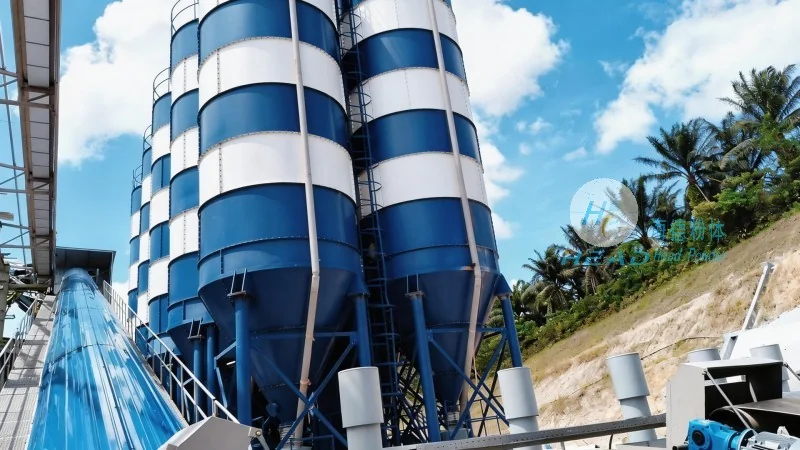
Calcined ash, often referred to as calcined slag or calcined residue, is produced through the calcination of raw materials like coal ash or other industrial waste. The material handling system for calcined ash typically involves a combination of equipment such as conveyors, elevators, and storage silos. The primary goal is to move this fine or semi-fine material from the calcination unit to storage or further processing stages without compromising quality or safety.
The Working Principle of Calcined Ash Material Handling Systems
The working principle of a calcined ash material handling system generally involves several key steps. First, the calcined ash is collected from the calcination chamber or reactor. This material is then transferred to a conveyor system, which may include belt conveyors, screw conveyors, or pneumatic conveying lines, depending on the system design and material characteristics. The conveyor system transports the ash to a storage silo or a processing unit. In some cases, the system may include a dust collection and filtration component to ensure environmental compliance and worker safety. The entire process is controlled by a programmable logic controller (PLC) or a similar automation system, which regulates the speed of the conveyor, the flow rate of the material, and other operational parameters to maintain consistent performance.
Key Features of Calcined Ash Material Handling Systems
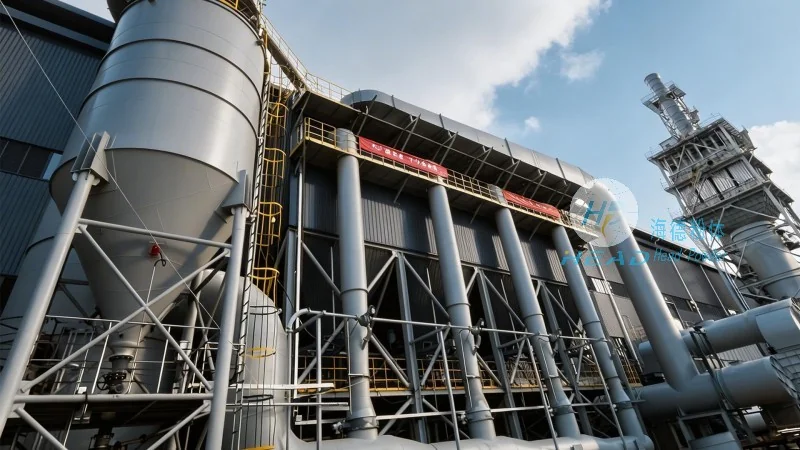
Effective calcined ash material handling systems are characterized by several important features that enhance their performance and reliability. One of the most significant features is the use of specialized conveyor technology tailored to handle fine or abrasive materials like calcined ash. This may include high-capacity belt conveyors with reinforced surfaces or screw conveyors designed to minimize material degradation and wear. Another key feature is the integration of dust control measures, such as dust collection hoods and filtration systems, to prevent airborne particles from contaminating the environment and posing health risks to personnel. Additionally, the systems often incorporate advanced monitoring and control capabilities, allowing operators to track material flow rates, detect blockages or malfunctions in real-time, and adjust operational parameters as needed. This level of automation and monitoring ensures optimal performance and reduces downtime.
Operational Benefits and Applications
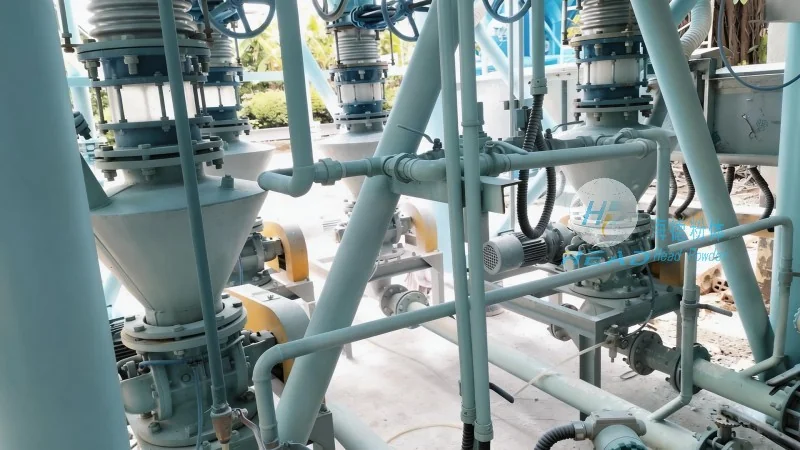
Implementing a well-designed calcined ash material handling system offers numerous operational benefits. By efficiently transporting calcined ash, facilities can improve overall process efficiency, reduce labor costs associated with manual handling, and minimize the risk of material loss or contamination. These systems are particularly valuable in power plants, where calcined ash is a byproduct of coal combustion, and in industrial waste management facilities that process various types of residues. The ability to handle large volumes of material with minimal human intervention also enhances workplace safety by reducing the need for manual handling of potentially hazardous materials. Furthermore, the integration of dust control measures ensures compliance with environmental regulations, protecting both the environment and the health of workers.
Conclusion
In conclusion, calcined ash material handling systems play a vital role in modern industrial operations by providing an efficient and reliable means of transporting calcined ash. The working principle, which typically involves collection, conveyance, and storage with automation and dust control, ensures that these systems operate effectively while maintaining safety and environmental standards. The key features, including specialized conveyor technology, dust management, and advanced monitoring, contribute to the overall performance and longevity of the system. For facilities dealing with calcined ash, investing in a well-designed material handling system is essential for optimizing operations, reducing costs, and ensuring compliance with industry regulations. As a leading provider in this field, Shandong HeadPowder Engineering Co., Ltd. specializes in the design, manufacturing, and installation of such systems, leveraging years of experience to deliver solutions tailored to the specific needs of industrial clients.




