Understanding the working principle and key characteristics of cement particle material conveying is essential for optimizing industrial processes in the construction and manufacturing sectors. This article provides a detailed overview, focusing on the technical aspects and operational advantages of such systems, while highlighting the expertise of Shandong HeadPowder Engineering Co., Ltd. as a leading provider in the field.
Introduction to Cement Particle Material Conveying Systems
Cement particle material conveying systems are critical components in the handling and transportation of bulk materials, particularly in applications involving cement, powders, and granular substances. These systems are designed to efficiently move materials from one location to another within industrial facilities, ensuring smooth operations and minimizing downtime. The technology behind these systems combines mechanical engineering principles with advanced material handling techniques to achieve reliable and consistent performance.
Working Principle of Cement Particle Material Conveying
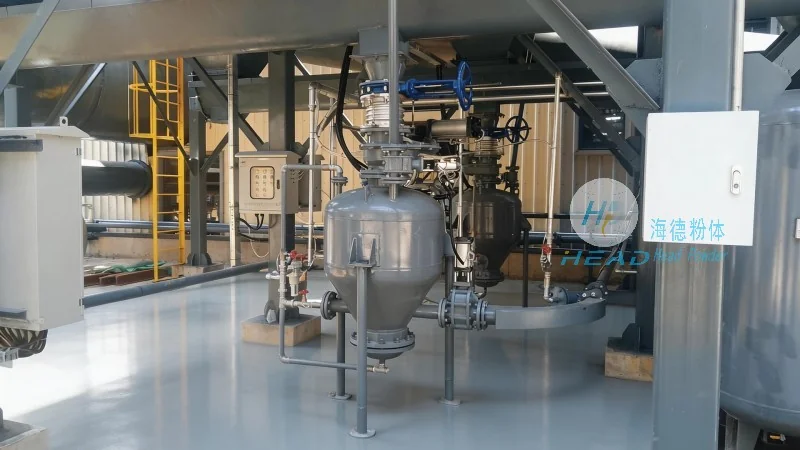
The core working principle of cement particle material conveying systems revolves around the use of specialized equipment to transport bulk materials. Common methods include pneumatic conveying, screw conveyors, and belt conveyors, each with distinct mechanisms tailored to specific material properties and operational requirements. Pneumatic conveying, for instance, utilizes air pressure to move particles through a pipeline, while screw conveyors employ rotating screws to push materials forward. The choice of system depends on factors such as material density, moisture content, and the distance over which the material needs to be transported.
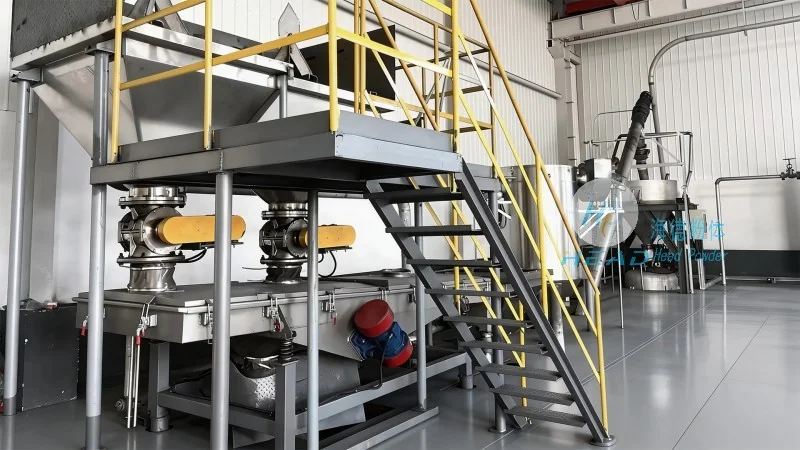
In pneumatic conveying systems, the process typically begins with the material being fed into a hopper or feeder. From there, it is introduced into a pipeline where air is introduced to create a flow. The air and material mixture travels through the pipeline to the discharge point, where the material is separated from the air and collected. This method is particularly effective for handling fine powders and granules, as it minimizes material degradation and ensures consistent flow rates. Screw conveyors, on the other hand, operate by rotating a helical screw within a trough, which pushes the material forward. This mechanism is suitable for materials with higher bulk densities and less abrasive properties, as it provides gentle handling and reduces the risk of material breakdown.
Key Characteristics of Cement Particle Material Conveying Systems
Several key characteristics define the performance and suitability of cement particle material conveying systems. These include efficiency, reliability, and adaptability to various material types. Efficiency is a critical factor, as it directly impacts operational costs and productivity. Modern systems are designed to minimize energy consumption while maximizing material throughput, making them cost-effective for long-term use. Reliability is another essential characteristic, as these systems must operate continuously without frequent maintenance or breakdowns. High-quality components and robust construction are essential to ensure consistent performance over extended periods.
Adaptability is also a significant advantage, as cement particle material conveying systems can be customized to handle a wide range of materials, from fine powders to larger granules. This flexibility allows industries to use a single system for multiple applications, reducing the need for specialized equipment and simplifying inventory management. Additionally, these systems are designed to be easy to maintain, with accessible components that can be serviced quickly, minimizing downtime and maximizing operational uptime.
Advantages of Using Cement Particle Material Conveying Systems
Implementing cement particle material conveying systems offers numerous advantages for industrial operations. One of the primary benefits is improved safety, as these systems eliminate the need for manual handling of bulk materials, reducing the risk of accidents and injuries. This is particularly important in environments where dust and particulate matter are present, as it helps maintain a safer working environment. Another advantage is the reduction in material loss and contamination, as enclosed systems prevent material from spilling or being exposed to external factors. This not only improves product quality but also reduces waste and associated costs.
Furthermore, cement particle material conveying systems enhance operational efficiency by automating the material handling process. This automation reduces labor costs and increases productivity, as the systems can operate continuously without the need for constant human intervention. The consistent flow rates and controlled discharge rates also contribute to better process control, ensuring that downstream processes receive the material in the correct quantity and quality. This level of control is crucial for maintaining product consistency and meeting quality standards.
Application Examples in Cement and Construction Industries
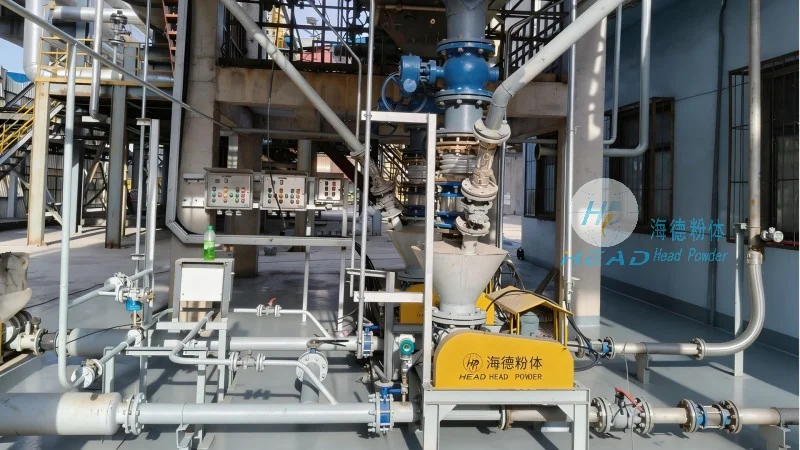
Cement particle material conveying systems are widely used in the cement and construction industries for various applications. In cement production facilities, these systems are used to transport raw materials, such as limestone and clay, from storage areas to processing plants. This ensures a steady supply of materials for the production process, preventing bottlenecks and maintaining production rates. In construction sites, these systems are employed to transport cement and other bulk materials to different locations on-site, such as mixing stations and storage areas. This improves the efficiency of material distribution, reducing the time and effort required for manual handling and transportation.
In addition to cement production and construction, cement particle material conveying systems are also used in other industries, such as chemical processing and food manufacturing. These systems are adapted to handle materials with specific properties, such as high moisture content or abrasive characteristics, ensuring that the material is transported safely and efficiently. The versatility of these systems makes them a valuable asset for any industry that relies on bulk material handling.
Conclusion and Company Overview
Understanding the working principle and characteristics of cement particle material conveying systems is vital for optimizing industrial operations and improving overall efficiency. The systems offer numerous advantages, including enhanced safety, reduced material loss, and increased productivity. As a leading provider in the field, Shandong HeadPowder Engineering Co., Ltd. specializes in designing and manufacturing high-quality cement particle material conveying systems tailored to the specific needs of its clients. With a focus on innovation and customer satisfaction, the company ensures that its systems meet the highest standards of performance and reliability, helping industries achieve their operational goals effectively.




