For industries relying on lightweight calcium carbonate (LCC) as a key raw material, efficient material handling is crucial to maintaining production efficiency and product quality. This article explores the working principles and key characteristics of LCC material transport systems, providing insights into how these systems operate and their advantages in industrial applications.
Introduction to Lightweight Calcium Carbonate Material Handling
Lightweight calcium carbonate, a widely used filler and extender in various industries such as plastics, paper, and coatings, requires specialized handling due to its fine particle size and light density. Traditional material transport methods may struggle with dust generation, material segregation, and uneven distribution, leading to operational inefficiencies. The development of advanced material handling systems has addressed these challenges, enabling more reliable and efficient processing of LCC.
Working Principle of LCC Material Transport Systems
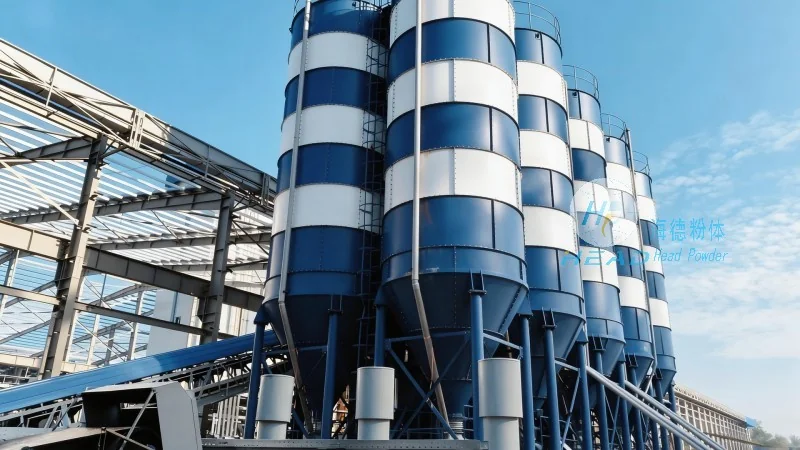
The core of LCC material handling systems involves several interconnected components designed to move the material from storage to processing equipment. The process typically begins with bulk storage, where LCC is stored in silos or hoppers. From there, the material is transferred using pneumatic conveying or mechanical conveying systems, depending on the specific application and material characteristics.
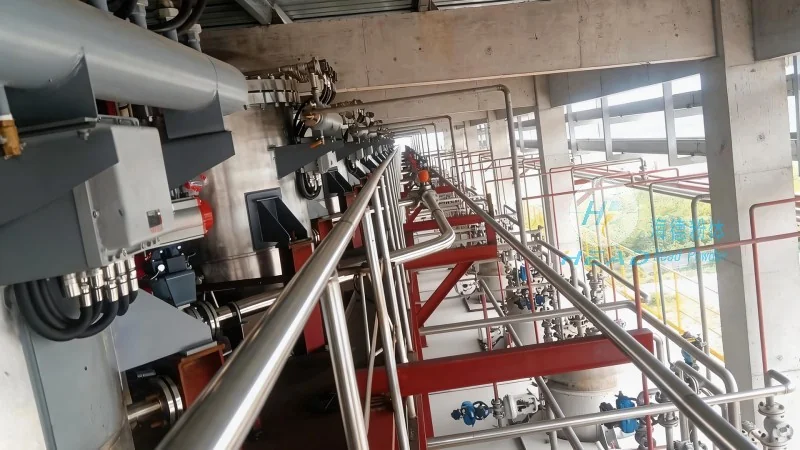
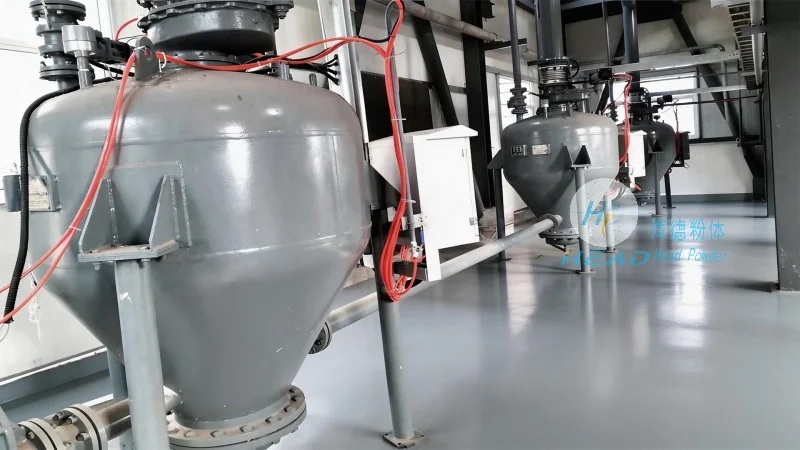
Pneumatic conveying systems utilize air pressure to transport LCC particles through pipelines. This method is particularly effective for fine powders, as it minimizes dust exposure and allows for long-distance transport without the need for mechanical components that could cause material degradation. The system consists of a blower, a hopper, and a receiver, with the air flow controlling the movement of the material. Mechanical conveying, on the other hand, uses screw conveyors, belt conveyors, or bucket elevators to physically move the material. These systems are often preferred for larger particle sizes or when direct contact with the material is necessary, such as in mixing or blending operations.
Key Characteristics of LCC Material Handling Solutions
Effective LCC material handling systems exhibit several distinct characteristics that enhance operational performance. One of the primary advantages is the ability to maintain material quality and prevent contamination. Advanced systems incorporate dust collection and filtration mechanisms to ensure the material remains clean and free from foreign particles, which is critical for applications where purity is paramount.
Another important characteristic is the system's adaptability to varying production demands. Modern LCC handling equipment can be configured to handle different particle sizes and flow rates, allowing manufacturers to scale operations up or down as needed. This flexibility is essential for meeting fluctuating market demands without compromising efficiency.
Energy efficiency is also a significant characteristic of contemporary LCC material transport systems. By optimizing air pressure and flow rates, these systems reduce energy consumption compared to older, less efficient methods. This not only lowers operational costs but also aligns with sustainability goals, making them an attractive choice for environmentally conscious industries.
Application-Specific Considerations in LCC Material Handling
The choice of material handling system for LCC depends on the specific application and processing requirements. For example, in the plastics industry, where LCC is used as a filler to improve mechanical properties, the system must ensure uniform distribution of the powder to achieve consistent product quality. In the paper industry, the focus may be on maintaining the material's whiteness and preventing discoloration, which requires careful control of temperature and moisture during transport.
In the coatings industry, LCC is often used to adjust viscosity and opacity. The handling system must therefore provide precise control over the material's flow and consistency, ensuring that the final coating has the desired properties. Each application presents unique challenges, and the effectiveness of the material handling system directly impacts the quality and performance of the end product.
Conclusion: The Role of Advanced Material Handling in LCC Processing
Efficient material handling is a critical component of the overall LCC processing workflow. By understanding the working principles and characteristics of modern LCC material transport systems, manufacturers can optimize their operations, reduce costs, and improve product quality. The integration of advanced technologies, such as automated control systems and real-time monitoring, further enhances the reliability and performance of these systems, ensuring they meet the demands of today's competitive industrial landscape.




