For industries seeking efficient and reliable material handling solutions, vacuum material feeding and conveying systems have emerged as a critical technology. These systems are designed to transport powders, granules, and other bulk materials with precision and minimal disruption. Understanding the working principle and key features of such systems is essential for selecting the right equipment for specific applications.
Overview of Vacuum Material Feeding Systems
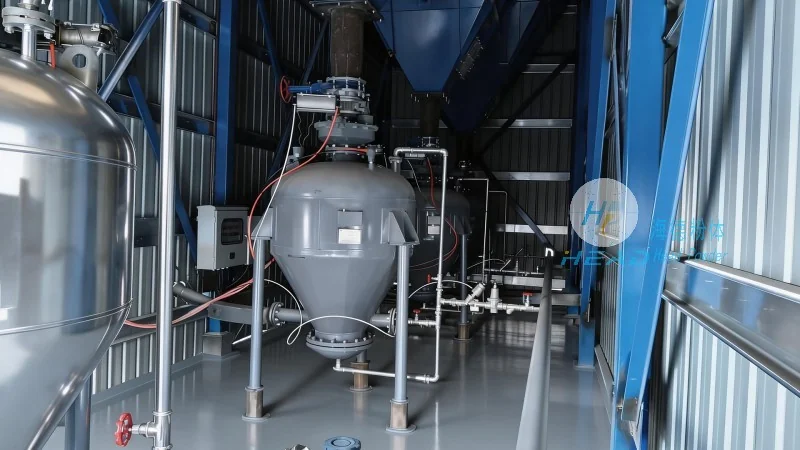
Vacuum material feeding systems, also known as vacuum conveying systems, are mechanical devices that use differential pressure to move bulk materials from a source to a destination. The core of the system involves creating a vacuum in the conveying line, which draws material from the feed hopper or container into the system. This process is typically driven by a vacuum pump, which generates the necessary negative pressure to pull the material through the pipeline. The system is widely used in pharmaceutical, food, chemical, and other industries where contamination control and gentle material handling are paramount.
Working Principle of Vacuum Material Feeding Systems
The working principle of a vacuum material feeding system can be broken down into several key steps. First, the material is fed into the hopper or source container. The vacuum pump then activates, creating a low-pressure environment within the conveying line. This negative pressure causes the material to be drawn from the hopper into the vacuum chamber. As the material moves through the pipeline, it is transported to the discharge point, where the pressure is restored to atmospheric levels, allowing the material to be released. The system may include components such as a filter, a rotary valve, and a pressure regulator to ensure smooth operation and maintain material quality. The entire process is controlled by a programmable logic controller (PLC) or a similar control system, which monitors pressure, flow, and other parameters to optimize performance.
Key Features of Vacuum Material Feeding Systems
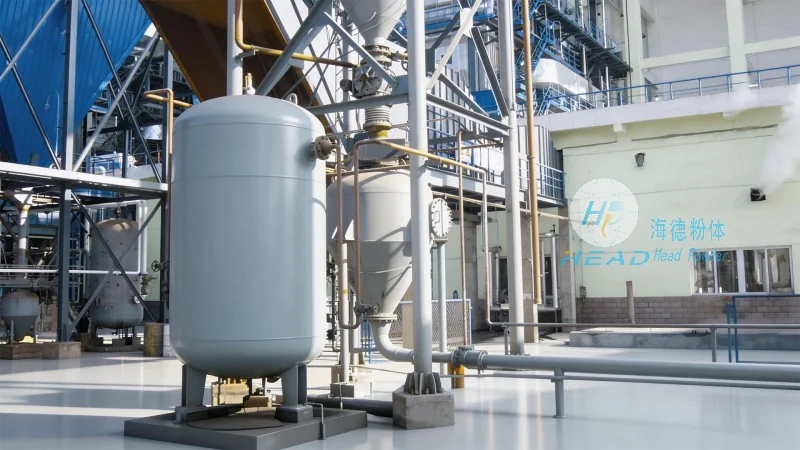
Several distinct features make vacuum material feeding systems advantageous for various industrial applications. One of the primary features is the ability to handle a wide range of materials, including fine powders, cohesive granules, and even sticky substances. The gentle handling of materials minimizes degradation, agglomeration, or contamination, which is crucial in industries like pharmaceuticals and food processing. Another key feature is the system's flexibility, as it can be configured for different material types and process requirements. The vacuum conveying process is also energy-efficient compared to other methods like pneumatic pressure systems, as it primarily uses the vacuum pump to create the necessary pressure differential. Additionally, these systems offer high material throughput and can operate over long distances, making them suitable for large-scale production environments. The modular design of the system allows for easy integration with existing production lines and facilitates maintenance and cleaning, which are essential for maintaining hygiene standards in industries like food and pharmaceuticals.
Company Introduction: Shandong HeadPowder Engineering Co., Ltd.
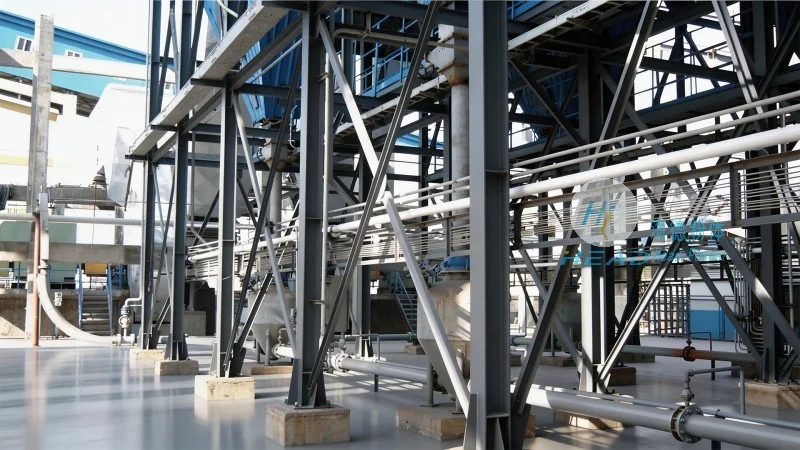
HeadPowder, a leading manufacturer of vacuum material feeding and conveying systems, specializes in providing customized solutions tailored to the unique needs of its clients. With a strong commitment to quality and innovation, the company has established itself as a trusted partner in the industry. HeadPowder's products are designed to meet the highest standards of performance, reliability, and safety, ensuring that they deliver consistent results in demanding operational environments. The company's engineering team leverages advanced technology and extensive experience to develop systems that enhance productivity and reduce operational costs for its customers. HeadPowder's facilities are located in Shandong, China, where the company maintains a state-of-the-art manufacturing and testing facility to ensure that every product meets stringent quality control criteria. The company's dedication to customer satisfaction and technical excellence has earned it a reputation for delivering reliable and efficient vacuum material handling solutions worldwide.
Conclusion: The Advantages of Vacuum Material Feeding Systems
In conclusion, vacuum material feeding and conveying systems offer a sophisticated and effective solution for bulk material handling. Their working principle, based on differential pressure and vacuum technology, enables gentle, efficient, and contamination-free material transport. The key features of these systems, including versatility, energy efficiency, and flexibility, make them suitable for a wide range of industrial applications. Companies like Shandong HeadPowder Engineering Co., Ltd. play a vital role in providing advanced vacuum conveying solutions that meet the evolving demands of modern industries. By understanding the working principle and features of such systems, businesses can make informed decisions to improve their material handling processes and achieve greater operational efficiency.




