Dry manure pneumatic conveying equipment is a specialized system designed to transport dry manure or similar bulk materials through a pipeline using air pressure. This technology offers an efficient and hygienic solution for moving organic waste from one location to another, particularly in agricultural and livestock operations. The equipment typically consists of a hopper, a blower or compressor, a pipeline network, and a receiver or discharge unit. By utilizing air as the conveying medium, it eliminates the need for mechanical components like belts or screws that might come into direct contact with the material, reducing contamination risks and maintenance requirements.
Key Components and Their Functions
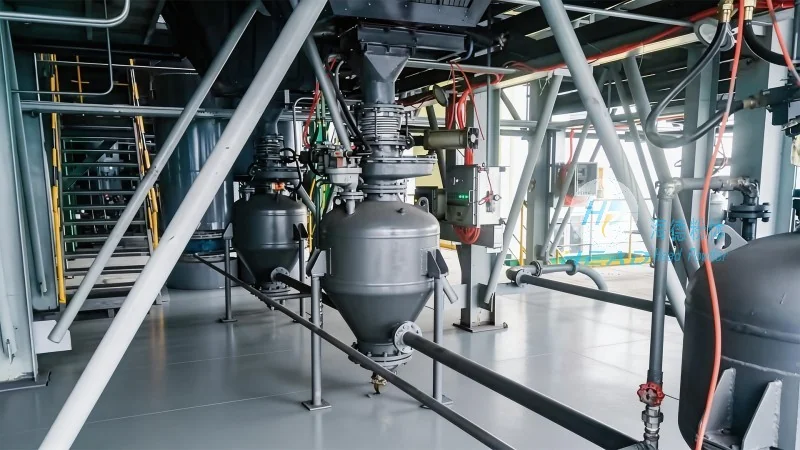
The core components of a dry manure pneumatic conveying system include the material hopper, which stores the dry manure and feeds it into the system; the air mover, such as a positive displacement blower or a centrifugal fan, which generates the necessary air pressure to transport the material; the pipeline system, which carries the material and air mixture from the source to the destination; and the receiver or discharge unit, which collects the material at the end of the pipeline. Each component plays a critical role in ensuring the smooth and efficient operation of the entire system. The hopper is designed to maintain a consistent feed rate, preventing blockages and ensuring a steady flow of material. The air mover provides the driving force, creating the pressure differential needed to move the material through the pipeline. The pipeline network is carefully engineered to minimize pressure losses and ensure the material is conveyed without clogging. The receiver or discharge unit safely collects the material, often with features to prevent dust emissions and maintain hygiene standards.
Design Principles and Operational Mechanisms
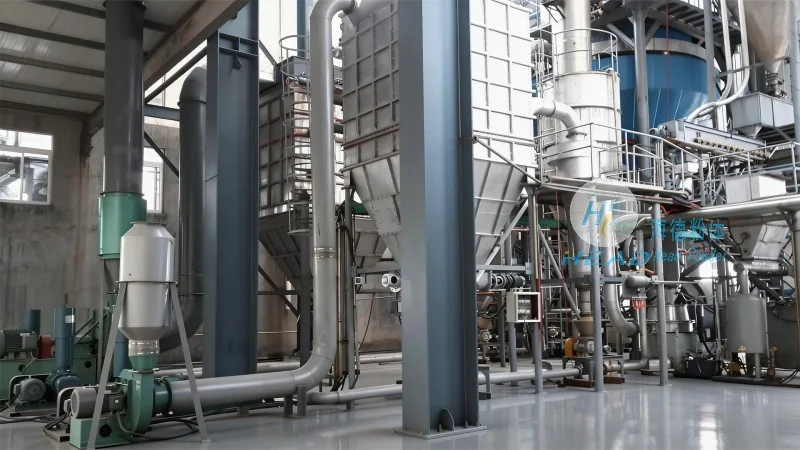
The design of dry manure pneumatic conveying equipment is guided by several key principles to ensure optimal performance and reliability. One of the primary principles is the use of positive pressure or negative pressure systems. Positive pressure systems, where air is blown into the pipeline, are commonly used for short to medium-distance conveying and are effective for handling fine or powdery materials like dry manure. Negative pressure systems, where air is drawn out of the pipeline, are often used for longer distances or when dealing with materials that are more likely to generate dust. The choice between these systems depends on factors such as the distance to be covered, the material characteristics, and the desired level of dust control. Another critical design principle is the selection of the appropriate air velocity and pressure. The air velocity must be high enough to keep the material suspended and moving through the pipeline but not so high as to cause excessive wear on the equipment or increase energy consumption. The pressure levels are typically optimized based on the pipeline length, diameter, and the type of material being conveyed. Additionally, the system design considers the need for proper material handling and separation. Some systems include cyclone separators or filters to remove any fine particles from the air stream, ensuring that the material is delivered in a clean and dry state. This not only improves the quality of the conveyed material but also helps maintain the efficiency of the air mover by preventing clogging and reducing wear.
Advantages of Dry Manure Pneumatic Conveying Equipment
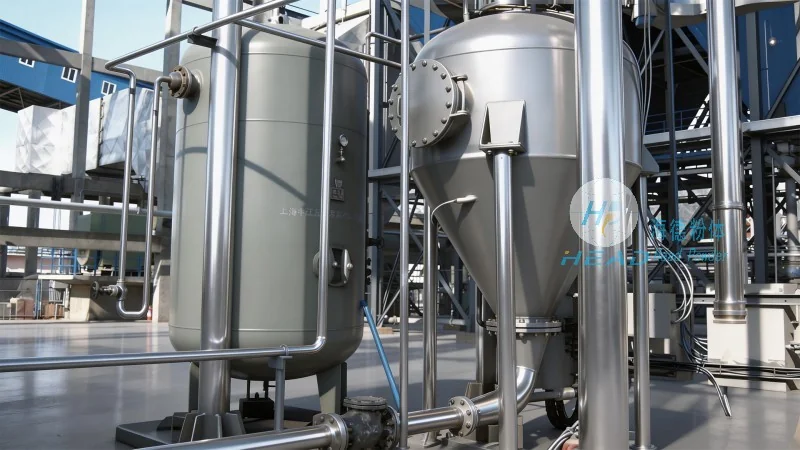
Implementing dry manure pneumatic conveying equipment offers several advantages over traditional mechanical conveying methods. First, it provides a hygienic and clean method of transporting organic waste, reducing the risk of contamination from mechanical parts. The absence of direct contact between the material and the conveying components minimizes the spread of bacteria and pathogens, which is particularly important in livestock operations where animal health is a top priority. Second, the system is highly efficient in terms of energy consumption and operational costs. By using air as the conveying medium, the equipment can move large volumes of material over significant distances with relatively low energy input compared to mechanical systems. This results in lower operational costs and reduced environmental impact. Third, the equipment is flexible and can be easily integrated into existing agricultural or livestock facilities. The modular design allows for adjustments to the pipeline layout and capacity as needed, making it suitable for both small-scale and large-scale operations. Additionally, the system is relatively low maintenance, as it has fewer moving parts compared to mechanical conveyors, reducing downtime and maintenance expenses. Finally, the technology offers improved safety features, such as enclosed systems that prevent dust emissions and reduce the risk of accidents associated with moving parts.
About Shandong HeadPowder Engineering Co., Ltd.
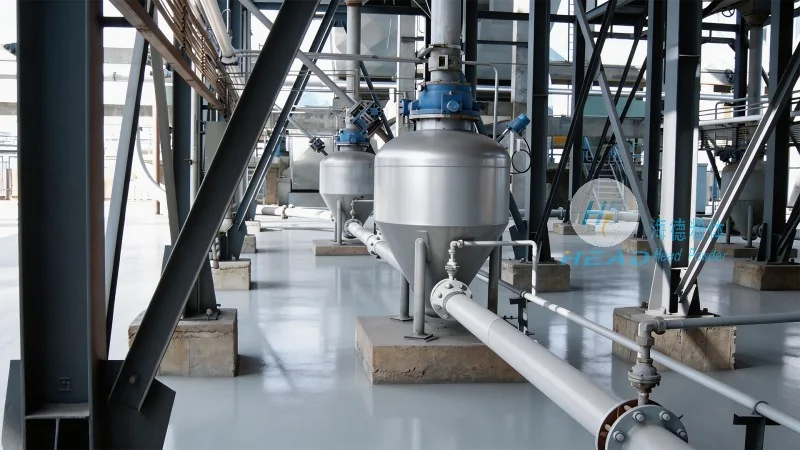
Shandong HeadPowder Engineering Co., Ltd., operating under the brand name headpowder, is a leading manufacturer and supplier of dry manure pneumatic conveying equipment. The company is based in Shandong, China, and has established itself as a trusted provider of high-quality, reliable, and efficient solutions for agricultural and livestock waste management. With years of experience in the industry, headpowder specializes in designing and manufacturing customized pneumatic conveying systems tailored to the specific needs of its clients. The company's products are known for their durability, energy efficiency, and ease of maintenance, making them a preferred choice for many agricultural operations worldwide. Headpowder's commitment to quality and customer satisfaction has earned it a strong reputation in the market, and the company continues to innovate and develop new technologies to meet the evolving needs of the industry. Whether for small-scale farms or large-scale livestock operations, headpowder provides comprehensive solutions that enhance operational efficiency and improve overall waste management practices.




