When it comes to handling quartz sand powder through pneumatic conveying systems, selecting the appropriate pressure type—whether positive or negative—is a critical decision that impacts efficiency, cost, and operational safety. As a leading provider in the field, Shandong HeadPowder Engineering Co., Ltd. understands the nuances of these systems and offers expert guidance to help clients make informed choices.
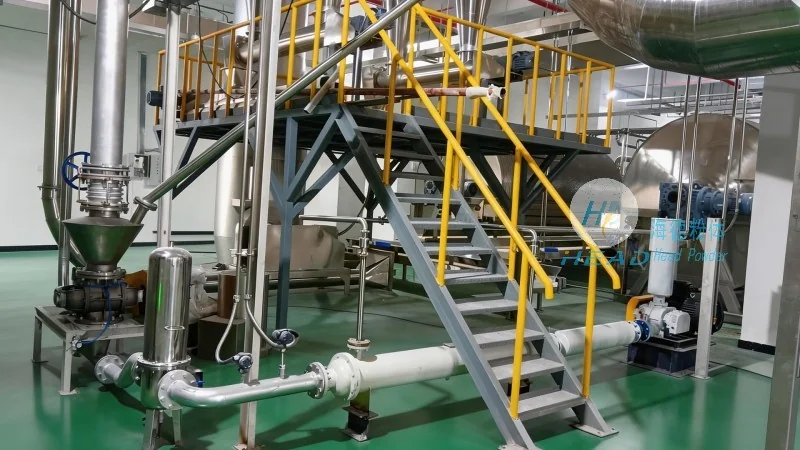
Understanding Pneumatic Conveying Systems
Pneumatic conveying is a method of transporting bulk materials like quartz sand powder using air or gas as the conveying medium. The two primary pressure types—positive pressure and negative pressure—differ in how they generate the necessary force to move the material. Positive pressure systems force air into the conveying line, while negative pressure systems create a vacuum to draw material into the system.
Positive Pressure Conveying: Advantages and Applications
Positive pressure conveying operates by blowing air into the system, creating a pressure higher than the ambient environment. This method is often preferred for long-distance or high-capacity applications, as it can maintain consistent flow rates and handle abrasive materials like quartz sand powder effectively. The system typically uses a blower or compressor to generate the pressure, and the material is carried in the air stream.
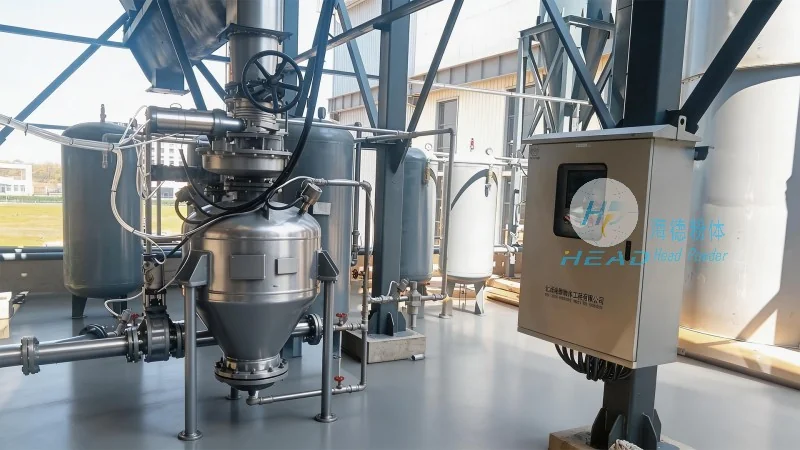
Negative Pressure Conveying: Advantages and Applications
Negative pressure conveying, also known as vacuum conveying, works by creating a vacuum in the conveying line, which draws material from the source into the system. This approach is ideal for applications requiring gentle handling of fine powders, as it minimizes particle breakage and dust generation. Negative pressure systems are commonly used for short-distance conveying or when the material is sensitive to high pressure.
Distinguishing Between Positive and Negative Pressure Systems
Identifying the right system for quartz sand powder involves evaluating several key factors. First, consider the material's properties: quartz sand is a dry, abrasive powder, which may favor positive pressure due to its ability to handle higher pressures and maintain flow. However, if the material is very fine or prone to caking, negative pressure might be more suitable to prevent agglomeration. Second, assess the conveying distance and layout: long, complex systems often benefit from positive pressure, while shorter, simpler setups may use negative pressure. Third, evaluate operational costs: positive pressure systems generally require more energy to run the blower, while negative pressure systems may need more robust vacuum equipment and filtration.
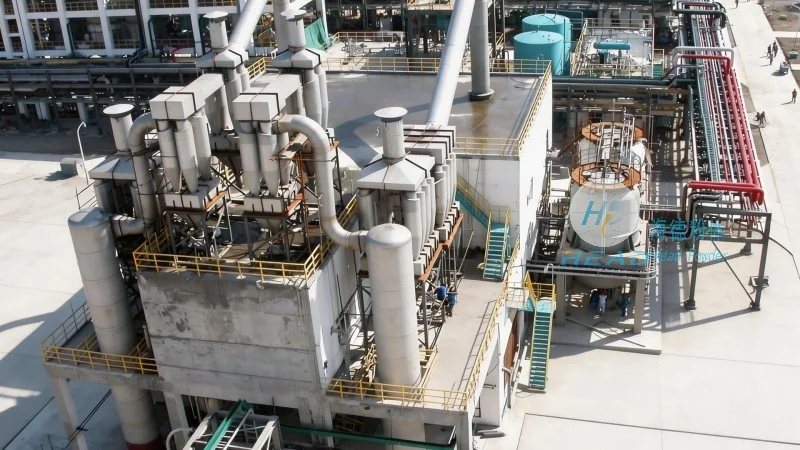
Key Considerations for Quartz Sand Powder
Quartz sand powder, with its high density and abrasive nature, demands a system that can withstand wear and maintain efficiency. Positive pressure systems are often preferred for such materials because they can handle higher pressures and reduce the risk of blockages. However, negative pressure systems can be effective if the conveying distance is short and the material is not overly abrasive. Shandong HeadPowder Engineering Co., Ltd. specializes in designing custom pneumatic conveying solutions tailored to the specific characteristics of quartz sand powder, ensuring optimal performance and longevity.
Conclusion
Choosing between positive and negative pressure for quartz sand powder pneumatic conveying requires a thorough analysis of material properties, system requirements, and operational goals. By understanding the advantages and limitations of each approach, and leveraging expert guidance from companies like Shandong HeadPowder Engineering Co., Ltd., businesses can select the most suitable system to enhance productivity and reduce operational costs. Whether opting for positive or negative pressure, the goal is to achieve efficient, reliable, and safe material transport for quartz sand powder applications.




