Principle and Working Scene Characteristics of Sintering Dust Powder Pneumatic Conveying Systems
Release time:2026-09-19 17:01:32
name of the company:Shandong Headpowder Engineering Co., Ltd.
telephone:156-6277-7102
contacts:Zhang manager
HeadPowder, a leading engineering company based in Shandong, China, specializes in the design and implementation of advanced pneumatic conveying systems tailored for sintering dust and powder handling applications. This article explores the fundamental principles behind these systems and highlights the key working scene characteristics that make them indispensable in industrial environments.
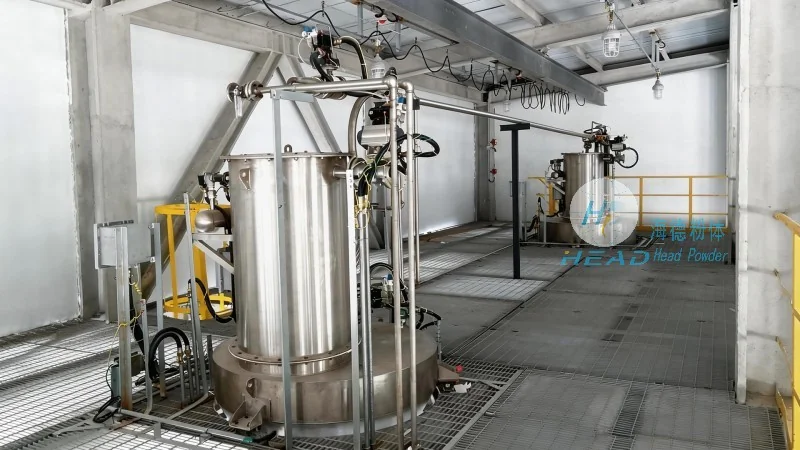
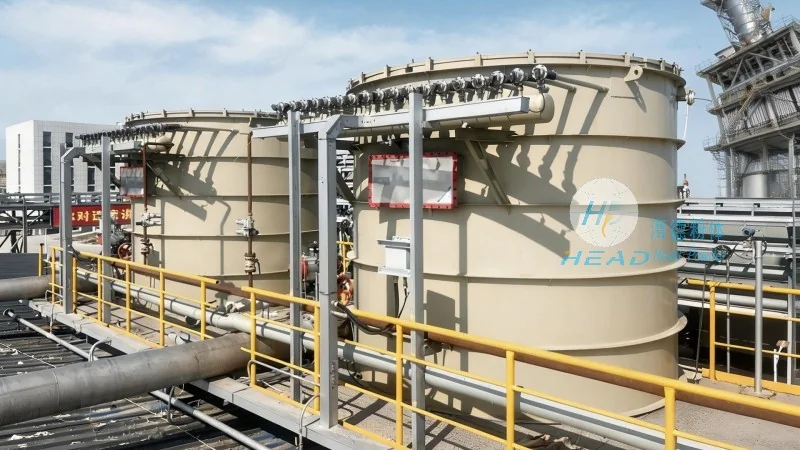
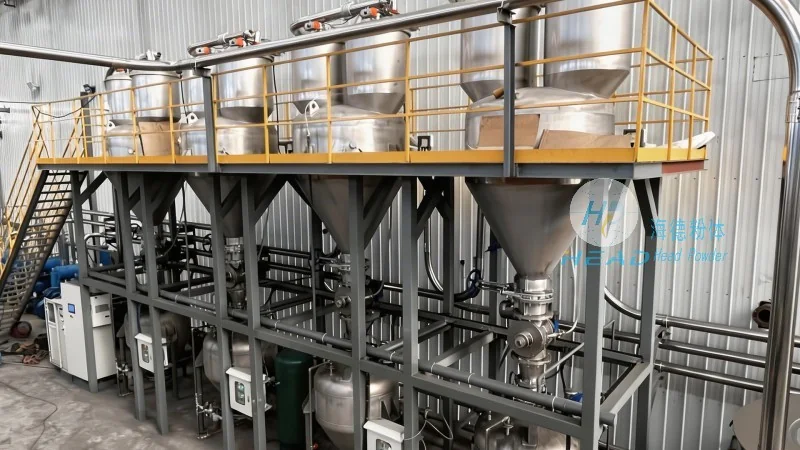
The Core Principles of Pneumatic Conveying for Sintering Dust
Pneumatic conveying systems operate by utilizing air or gas to transport particulate materials like sintering dust through a pipeline network. The primary mechanism involves creating a pressure differential or using vacuum to move the material from the source to the destination. There are two main types of pneumatic conveying: pressure and vacuum systems. Pressure systems use compressed air to push the material forward, while vacuum systems create a negative pressure to draw the material. For sintering dust, which often has specific particle size distributions and moisture content, the choice of system type and design parameters is critical to ensure efficient and reliable transport. The system typically comprises a hopper for material storage, a conveyor line with appropriate pipe diameters and bends, and a control system to regulate air flow and pressure. The air velocity within the pipeline must be maintained at a level that prevents particle settlement and ensures smooth flow, often determined by the material's properties such as density, size, and moisture content. HeadPowder engineers employ advanced computational fluid dynamics (CFD) and material testing to optimize these parameters, ensuring that the system operates within the optimal range for each specific application.
Key Working Scene Characteristics of Sintering Dust Pneumatic Conveying
The working scene characteristics of sintering dust pneumatic conveying systems are defined by several critical factors that influence performance and efficiency. First, the system's ability to handle high volumes of material with minimal downtime is crucial in industrial settings where continuous operation is essential. HeadPowder's systems are designed for high throughput, often capable of transporting thousands of tons of sintering dust per day, with low maintenance requirements and quick start-up times. Second, the system's adaptability to varying material conditions is a key characteristic. Sintering dust can vary in particle size, moisture content, and abrasiveness, and the pneumatic conveying system must be able to handle these variations without clogging or damaging the equipment. The use of specialized materials for pipe and component construction, such as stainless steel or high-grade plastics, ensures durability and resistance to corrosion and wear. Third, the system's integration with existing industrial processes is another important characteristic. HeadPowder's engineers work closely with clients to integrate the pneumatic conveying system with their existing sintering plants, raw material handling, and product processing lines, ensuring seamless operation and minimal disruption to production. The control systems are designed to interface with existing plant controls, allowing for real-time monitoring and adjustment of conveying parameters. Fourth, the system's energy efficiency is a significant working scene characteristic. By optimizing air flow and pressure, HeadPowder's systems minimize energy consumption compared to traditional methods like belt conveyors or bucket elevators. This not only reduces operational costs but also aligns with sustainability goals in modern industrial operations. Finally, the system's safety features are a critical characteristic, especially when handling potentially hazardous sintering dust. HeadPowder's designs incorporate explosion-proof components, dust collection systems, and emergency shut-off mechanisms to ensure safe operation and compliance with industrial safety regulations.




