HeadPowder, a leading engineering company based in Shandong, China, specializes in the design and implementation of advanced pneumatic conveying systems for fly ash powder. This article explores the fundamental principles behind these systems and highlights the key working scene characteristics that make them indispensable in modern industrial applications.
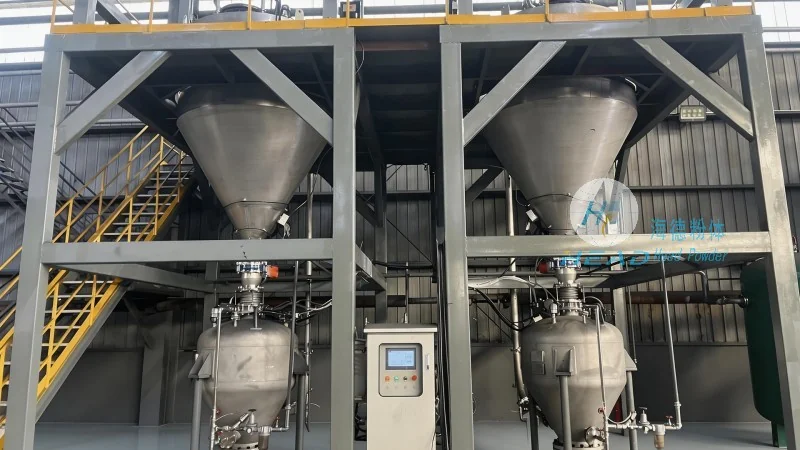
Core Principle of Pneumatic Conveying for Fly Ash
The pneumatic conveying system for fly ash powder operates on the principle of transporting dry bulk materials through a pipeline using compressed air. Unlike traditional mechanical conveying methods, this system eliminates the need for moving parts and reduces maintenance requirements. The process involves creating a pressure differential within the pipeline, which propels the fly ash particles forward. The system typically consists of a hopper, a blower or compressor, a pipeline network, and a discharge unit. The hopper stores the fly ash, while the blower generates the necessary air pressure to move the material. The pipeline transports the fly ash from the source to the destination, and the discharge unit regulates the material's release at the endpoint. This method ensures efficient and reliable transportation of fly ash, which is crucial for various industrial processes.
Key Working Scene Characteristics
Several distinct working scene characteristics define the effectiveness and suitability of fly ash powder pneumatic conveying systems in different industrial settings. First, the system's ability to handle fine, abrasive materials like fly ash without causing significant wear and tear on components is a critical advantage. Fly ash particles are often small and irregular, which can damage traditional conveying equipment. The pneumatic system's design, with smooth internal surfaces and appropriate air velocity control, minimizes this risk, extending the equipment's lifespan and reducing operational costs.
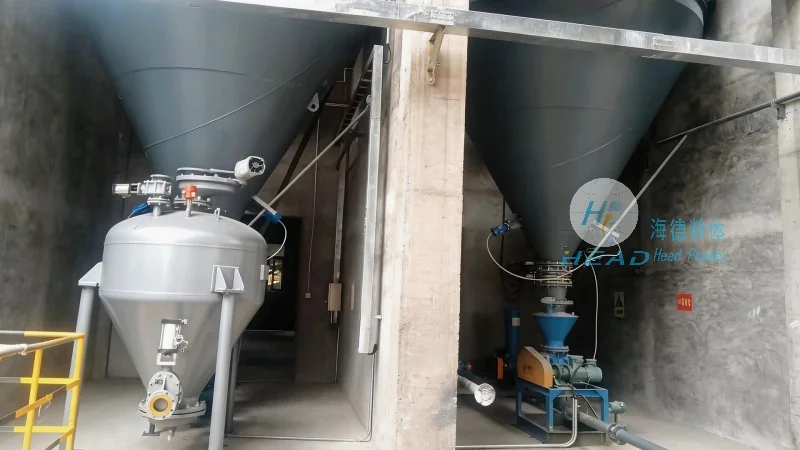
Second, the system's flexibility in terms of layout and installation is another notable characteristic. Unlike fixed mechanical conveyors that require precise alignment and space, pneumatic systems can be configured to follow complex routes, including vertical and horizontal changes. This flexibility allows for integration into existing industrial facilities or new construction projects without major structural modifications. The ability to adjust the pipeline length and direction makes the system adaptable to various plant layouts, enhancing its versatility in different working environments.
Third, the system's environmental benefits are significant, particularly in the context of fly ash handling. Traditional methods often involve dust emissions and material spillage, which can lead to environmental contamination and safety hazards. The pneumatic conveying system, by enclosing the material in a sealed pipeline, effectively contains dust and prevents airborne particles from escaping. This not only improves workplace safety but also complies with environmental regulations, making it a preferred choice for industries focused on sustainability and regulatory compliance.
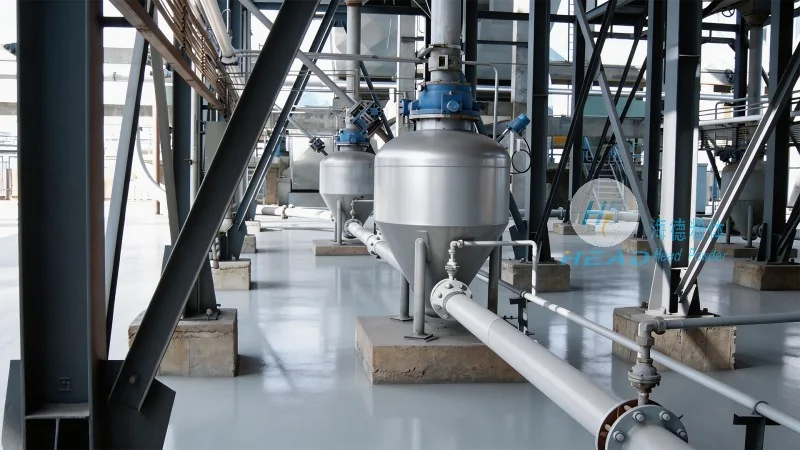
Fourth, the system's efficiency in material transfer is a key operational characteristic. By using compressed air to move the fly ash, the system achieves high throughput rates with minimal energy consumption compared to other methods. The air pressure can be adjusted to control the flow rate, ensuring precise delivery of the material to the intended destination. This efficiency reduces downtime and increases overall productivity, which is essential for maintaining operational efficiency in industrial processes.
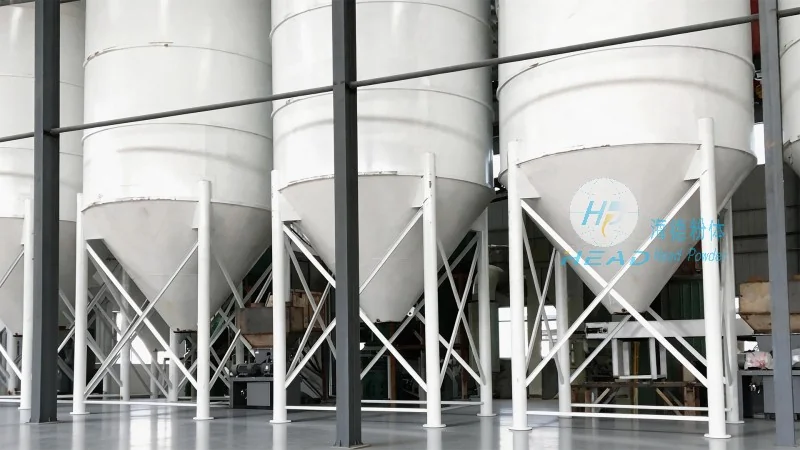
Application Scenarios and Industry Impact
Fly ash powder pneumatic conveying systems are widely used in various industrial sectors, including power generation, cement production, and construction material manufacturing. In power plants, these systems are crucial for transporting fly ash from the boiler to storage or disposal facilities, ensuring smooth operation and compliance with waste management regulations. In cement plants, the system helps in conveying fly ash as a raw material for cement production, improving the quality and consistency of the final product. The construction industry also benefits from these systems by using fly ash in concrete production, enhancing the durability and strength of building materials.
The working scene characteristics of these systems make them particularly suitable for applications where material handling needs to be efficient, safe, and environmentally friendly. The ability to handle fine particles, the flexibility in layout, and the environmental benefits make the system a reliable solution for industries dealing with fly ash. As a result, companies like Shandong HeadPowder Engineering Co., Ltd. play a vital role in providing customized solutions that meet the specific requirements of different industrial applications.




