Understanding the fundamental principles of dry ash pneumatic conveying equipment is crucial for optimizing material handling processes in industrial settings. This equipment is designed to transport dry bulk materials, such as fly ash, through a pipeline using air pressure or suction. The technology offers a efficient and reliable method for moving materials over long distances without the need for mechanical components like belts or buckets.
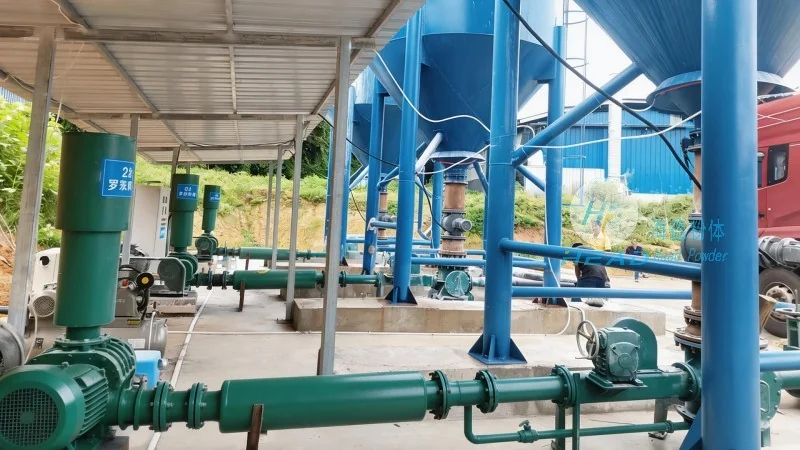
Company Overview: Shandong HeadPowder Engineering Co., Ltd.
Headpowder, a leading manufacturer in the field of material handling solutions, specializes in the design, manufacturing, and supply of advanced pneumatic conveying systems. With a strong commitment to innovation and quality, the company has established itself as a trusted partner for industries requiring robust and efficient material transport solutions. Headpowder's headquarters is located in Shandong, China, where the company leverages local expertise and resources to develop cutting-edge equipment tailored to global market demands.
Core Components and Working Principle
The dry ash pneumatic conveying system typically consists of several key components, including a hopper for material storage, a feeder to control the flow rate, a pipeline network for material transport, and a receiver for the discharged material. The operation relies on the creation of a pressure differential within the system. In a positive pressure system, compressed air is introduced into the hopper, pushing the dry ash through the pipeline to the receiver. Conversely, a negative pressure system uses suction to draw the material from the hopper into the pipeline. The choice between these systems depends on factors such as the material's properties, the distance of transport, and the environmental considerations of the application.
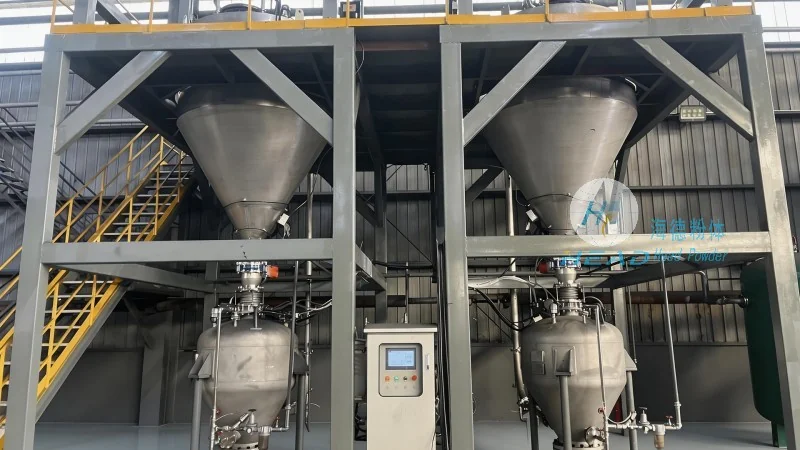
Advantages of Pneumatic Conveying for Dry Ash
Compared to traditional mechanical conveying methods, pneumatic systems offer several advantages when handling dry ash. These include reduced maintenance costs due to fewer moving parts, improved material cleanliness as there is no contact with mechanical components, and the ability to handle materials with high moisture content or abrasive properties. Additionally, the system can be easily integrated with other industrial processes, such as dust collection and material storage, enhancing overall operational efficiency. The flexibility of pneumatic conveying also allows for the transportation of materials in different phases, including powder, granules, and even small particles, making it suitable for a wide range of applications in power plants, cement factories, and other industrial facilities.
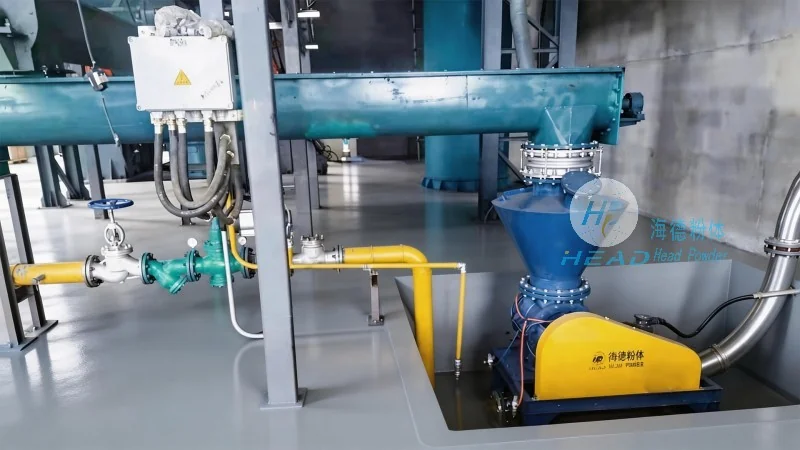
Application Scenarios and Industrial Use
Dry ash pneumatic conveying equipment is widely used in power generation plants, where it is essential for transporting fly ash from boiler ash hoppers to storage silos or disposal sites. The system ensures that the ash is moved safely and efficiently, minimizing the risk of dust emissions and environmental contamination. In cement manufacturing, the equipment is used to convey raw materials like limestone and clinker, as well as finished products, between different processing stages. The technology also finds applications in the chemical and food industries, where it is used to transport powders and granules with high purity requirements. By providing a clean and controlled transport method, the equipment helps maintain product quality and adheres to stringent environmental regulations.
Technical Specifications and Customization Options
Headpowder offers a range of dry ash pneumatic conveying systems with customizable specifications to meet the specific needs of each client. The systems can be designed for different pressure levels, from low to high, depending on the distance and material characteristics. The company also provides options for different material feed mechanisms, such as rotary valves or screw feeders, to ensure consistent and controlled material flow. Additionally, the equipment can be equipped with features like dust collection systems and material monitoring sensors to enhance operational safety and efficiency. The modular design of the systems allows for easy installation and maintenance, reducing downtime and increasing overall productivity. Headpowder's engineering team works closely with clients to understand their unique requirements and develop tailored solutions that maximize performance and reliability.




