The pneumatic conveying system for polypropylene resin powder is a specialized industrial solution designed to transport polypropylene resin powder efficiently and reliably. This system operates on the principle of using air as the conveying medium to move the resin powder from one location to another. The technology is widely adopted in the plastics manufacturing industry due to its ability to handle fine powders like polypropylene resin with minimal loss and contamination. Understanding the underlying principles of this system is crucial for optimizing its performance and ensuring consistent material handling in production processes.
Key Components and Their Functions
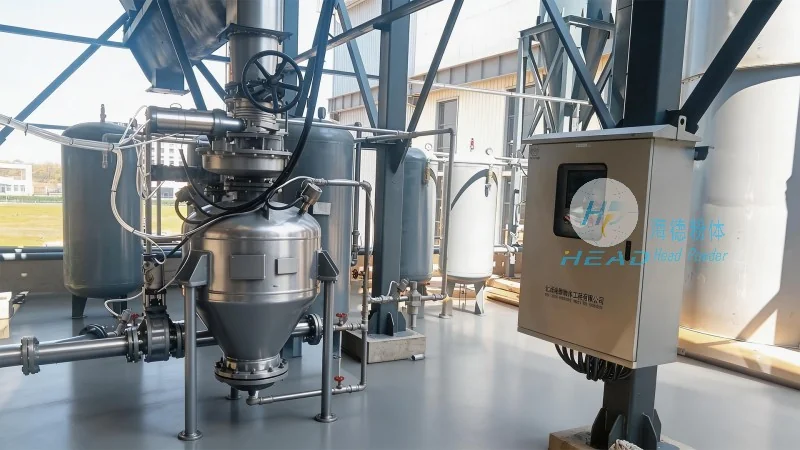
The polypropylene resin powder pneumatic conveying system comprises several critical components, each playing a vital role in the overall operation. The main components include the material hopper, the air compressor or blower, the conveying line (typically a flexible or rigid pipe), the control valve, and the receiving hopper or storage tank. The material hopper serves as the initial storage and feeding unit, where the polypropylene resin powder is loaded before being introduced into the system. The air compressor or blower generates the necessary airflow to create the pressure differential required for conveying the powder. The conveying line transports the powder and air mixture from the hopper to the destination. The control valve regulates the flow of air and powder, ensuring smooth and controlled operation. Finally, the receiving hopper collects the conveyed polypropylene resin powder, completing the material transfer process.
Working Principle of the Pneumatic Conveying Process
The operation of the polypropylene resin powder pneumatic conveying system is based on the fundamental principle of fluidization and suspension. When air is introduced into the material hopper at a controlled pressure, it creates a fluidized bed of the polypropylene resin powder. This fluidization allows the individual powder particles to become suspended in the air stream, forming a dense phase or dilute phase mixture depending on the system design. The air compressor then accelerates this mixture through the conveying line, using the pressure differential to move the powder from the source to the destination. The velocity of the air stream is critical; it must be sufficient to keep the powder particles suspended and prevent settling or blockage in the pipe. The system typically operates in either positive pressure or negative pressure modes. In positive pressure systems, the air is blown into the conveying line, pushing the powder forward. In negative pressure systems, the air is drawn out of the line, creating a vacuum that pulls the powder. For polypropylene resin powder, positive pressure systems are more commonly used due to their ability to handle abrasive or fine powders without excessive wear on components.
Advantages of Using a Pneumatic Conveying System for Polypropylene Resin Powder
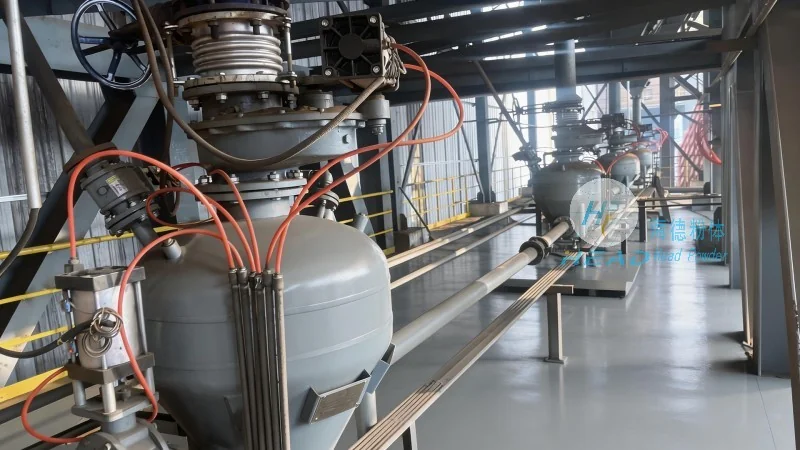
Implementing a pneumatic conveying system for polypropylene resin powder offers several advantages over traditional methods such as belt conveyors or manual handling. Firstly, it provides a closed system, which minimizes dust exposure and environmental contamination, ensuring compliance with industrial safety and environmental regulations. This is particularly important for polypropylene resin powders, which can generate fine particles that are hazardous if inhaled. Secondly, the system offers high efficiency in material transfer, with minimal product loss and reduced downtime compared to manual handling. The enclosed design also prevents cross-contamination between different batches of resin, maintaining product purity. Additionally, pneumatic conveying systems are flexible and can be easily integrated into existing production lines, allowing for changes in production volume or layout without significant modifications. The system's ability to handle fine powders like polypropylene resin without clogging or blockage is another key advantage, as these powders are prone to agglomeration and settling in traditional conveying methods.
Application and Industry Use Cases
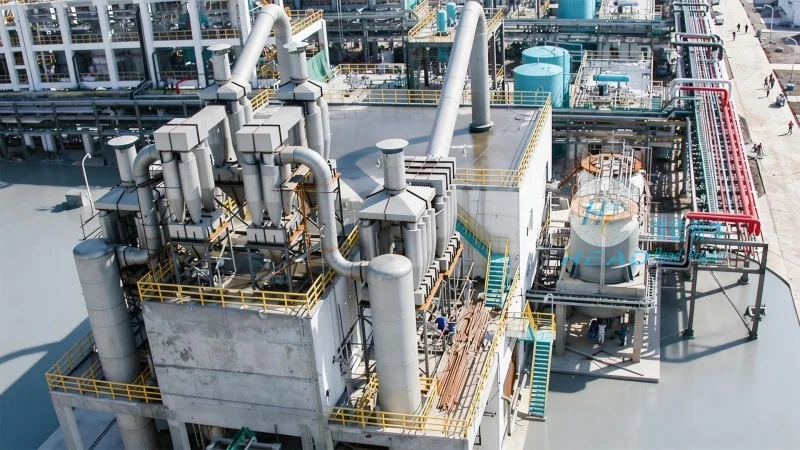
The polypropylene resin powder pneumatic conveying system is widely used in various applications within the plastics manufacturing industry. It is commonly employed in the production of polypropylene pellets, where the resin powder is conveyed from storage to processing equipment such as extruders or mixers. The system is also used in the handling of recycled polypropylene resin, where the powder is transferred from collection bins to processing lines for regrind. In addition, the system is utilized in the manufacturing of polypropylene-based compounds and masterbatches, where the resin powder is combined with other additives like colorants or stabilizers. The system's ability to handle large volumes of polypropylene resin powder efficiently makes it suitable for both small-scale and large-scale production facilities. It is particularly beneficial in industries where consistent and reliable material transfer is essential for maintaining product quality and production throughput.
Maintenance and Operational Considerations
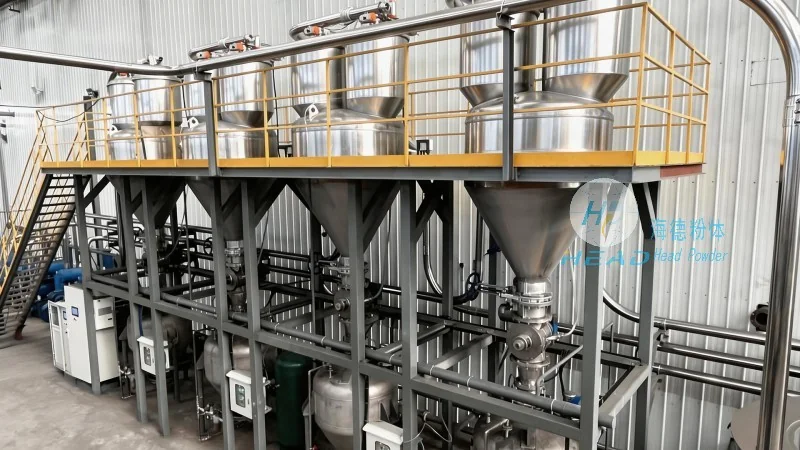
To ensure optimal performance and longevity of the polypropylene resin powder pneumatic conveying system, regular maintenance and proper operational considerations are essential. Regular inspection of the conveying line for any signs of wear, clogging, or damage is crucial. The air compressor or blower should be checked for proper airflow and pressure output, as inadequate air supply can lead to poor conveying efficiency or system failure. The material hopper and receiving hopper should be cleaned periodically to prevent the buildup of resin powder, which can affect the system's performance and product quality. Additionally, the control valve and other components should be lubricated and maintained according to the manufacturer's specifications. Proper training of operators on the system's operation and safety procedures is also important to prevent accidents and ensure smooth operation. By following these maintenance and operational guidelines, the system can operate efficiently, minimizing downtime and maximizing the lifespan of the equipment.
Conclusion
The polypropylene resin powder pneumatic conveying system is a sophisticated and effective solution for transporting polypropylene resin powder in industrial settings. By understanding the key components, working principles, and operational considerations, manufacturers can optimize the system's performance to meet their production needs. The system's advantages, including dust control, efficiency, and flexibility, make it a preferred choice over traditional conveying methods. As the plastics industry continues to evolve, the demand for reliable and efficient material handling solutions will remain high, and the pneumatic conveying system for polypropylene resin powder will continue to play a vital role in ensuring consistent production and product quality.




