Principle and Working Scene Characteristics of Sodium Phosphate Pneumatic Conveying Lines
Release time:2026-09-18 21:01:29
name of the company:Shandong Headpowder Engineering Co., Ltd.
telephone:156-6277-7102
contacts:Zhang manager
HeadPowder, a leading engineering firm based in Shandong, China, specializes in the design, manufacturing, and installation of advanced pneumatic conveying systems for various industrial applications. This article delves into the fundamental principles of sodium phosphate pneumatic conveying lines and highlights the key characteristics of their operational environments.
Understanding the Core Principles of Sodium Phosphate Pneumatic Conveying Systems
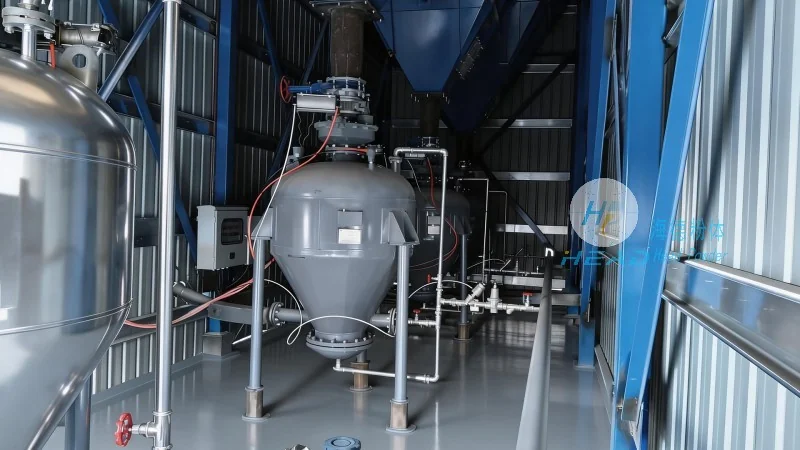
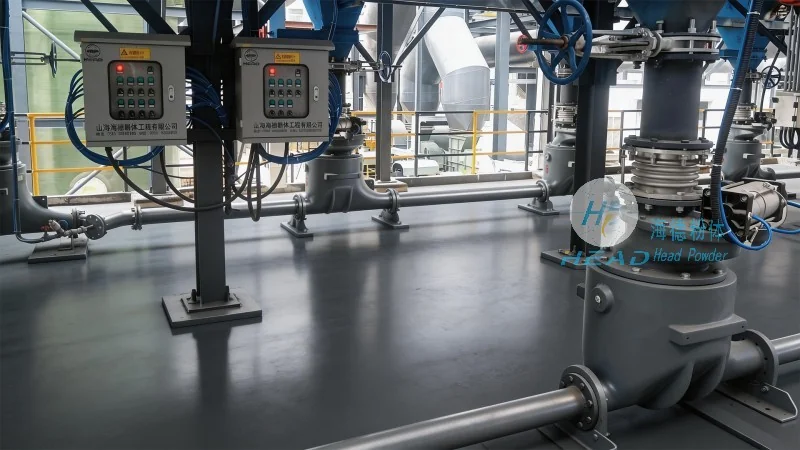
Sodium phosphate pneumatic conveying lines operate on the principle of transporting solid particles through a pipeline using a pressurized or suctioned air stream. This method, known as pneumatic conveying, is widely used for handling bulk materials like sodium phosphate due to its ability to move materials without direct contact with mechanical components, reducing wear and contamination risks. The system typically consists of a material hopper, a conveyor line, and a discharge point, with an air compressor or vacuum pump providing the necessary pressure or suction to move the particles. For sodium phosphate, which is often in granular or powdered form, the conveying system must be designed to handle its specific physical properties, such as particle size distribution, bulk density, and flow characteristics. The choice between pressure and suction conveying depends on the application: pressure systems are suitable for long-distance or high-volume transport, while suction systems are ideal for short-distance or low-volume needs. The system also incorporates components like rotary valves, filters, and dust collectors to ensure efficient and clean material transfer, maintaining product quality and operational safety.
Key Working Scene Characteristics of Sodium Phosphate Pneumatic Conveying Lines
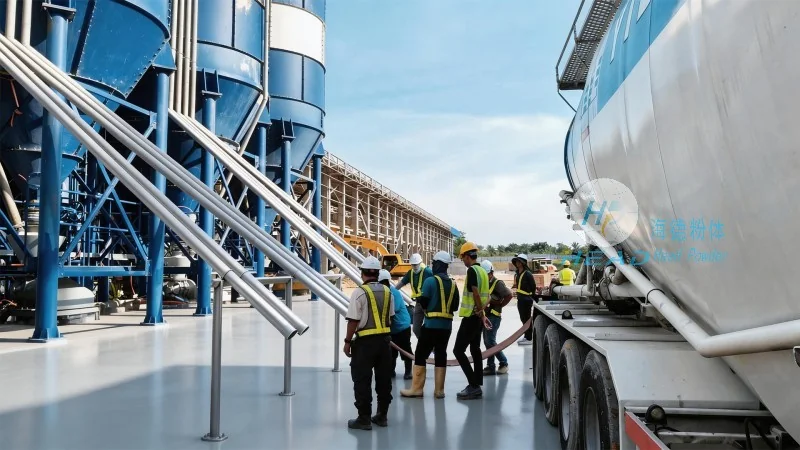
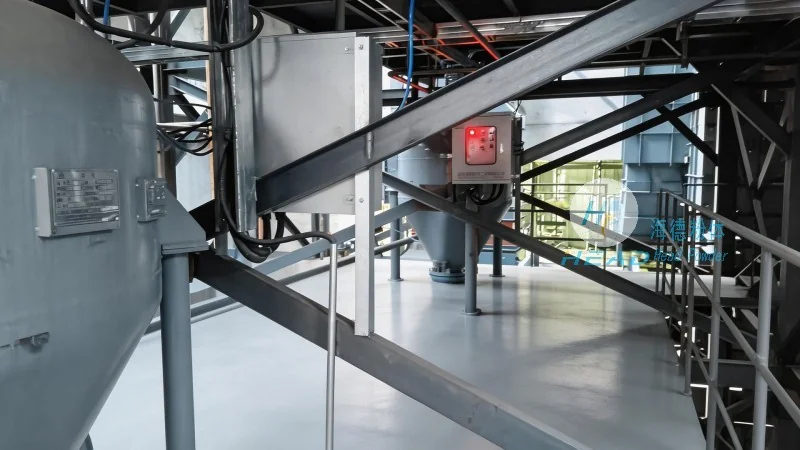
The operational environments for sodium phosphate pneumatic conveying systems vary significantly based on the industry and application. In chemical manufacturing facilities, these systems are integrated into production lines for transporting raw materials or finished products, often requiring high precision and reliability to meet stringent quality standards. The working scene may involve multiple connected lines, with the system designed to handle varying flow rates and pressure levels to accommodate different production stages. In pharmaceutical or food processing industries, the focus is on maintaining a sterile and hygienic environment, which dictates the use of materials like stainless steel for all components and the incorporation of filtration systems to prevent contamination. The system must also be able to handle the specific handling requirements of sodium phosphate, such as preventing caking or agglomeration, which can affect the conveying efficiency. Additionally, the working scene may include considerations for space constraints, as the pneumatic conveying lines are often installed in existing facilities, requiring flexible and compact designs that can adapt to limited floor space. The operational characteristics, such as the speed of material transfer and the noise level, are also critical factors in the working scene, as they impact the overall efficiency and safety of the production process. By understanding these characteristics, industries can optimize the performance of sodium phosphate pneumatic conveying lines, ensuring smooth and reliable material handling in their specific operational contexts.




