Styrene, a vital monomer used in the production of polystyrene and other polymer products, requires efficient and safe handling during transportation within industrial settings. Pneumatic conveying systems have become a preferred method for moving styrene due to their ability to manage the material's properties while minimizing risks associated with dust explosions and contamination. The integration of such systems into production workflows is essential for maintaining operational efficiency and ensuring compliance with safety regulations.
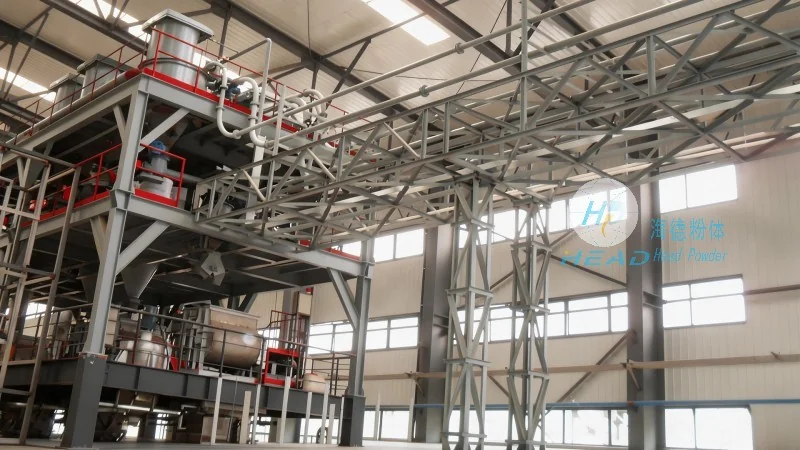
Principle of Pneumatic Conveying for Styrene
Pneumatic conveying operates by utilizing compressed air or vacuum to transport bulk materials through a pipeline. For styrene, which is typically in powder or granular form, the system commonly functions under positive pressure, where air is forced through the pipeline to carry the material. The core principle involves creating a flow of air that lifts and propels styrene particles along the pipeline. Key components of a styrene pneumatic conveying line include the material feed hopper, the air compressor or vacuum pump, the conveying pipeline, and the discharge receiver. The air flow rate and pressure are meticulously controlled to ensure the material is transported without degradation or loss, while maintaining optimal flow characteristics.
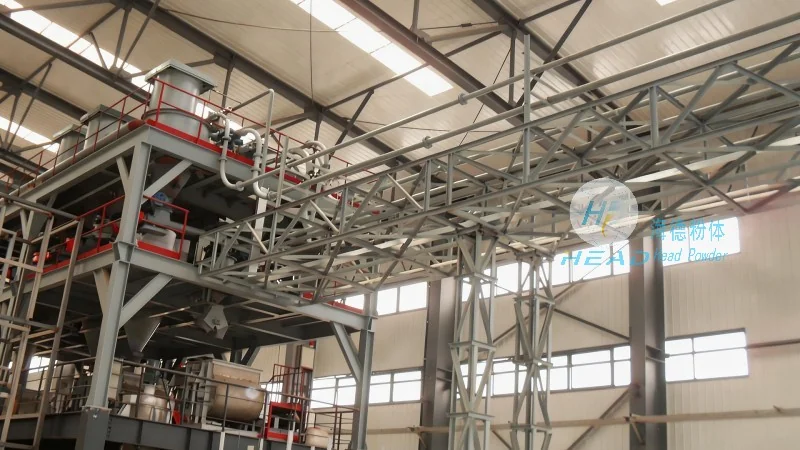
Working Scene Characteristics of Styrene Pneumatic Conveying Lines
The application of styrene pneumatic conveying systems varies across different industrial environments, each presenting unique challenges and requirements. In manufacturing facilities, these systems are often integrated into production lines to move styrene from storage silos to reactors or mixing units. The design of the conveying line must accommodate styrene's temperature sensitivity and potential for static charge buildup, which can affect flow and safety. In warehouse or storage applications, the system may be used to transfer styrene from bulk storage containers to packaging or blending equipment. The flexibility of pneumatic conveying allows for vertical, horizontal, or combined (inclined) pipeline configurations, adapting to the spatial constraints of the facility and optimizing material movement paths.
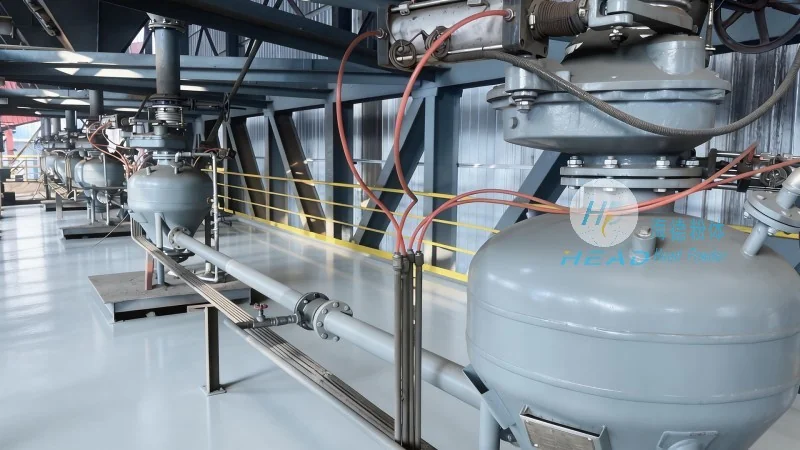
Key Features and Advantages in Different Operational Scenarios
Across various operational scenarios, styrene pneumatic conveying lines exhibit several advantages that make them suitable for handling this hazardous material. One primary benefit is the ability to maintain a closed system, which prevents exposure of styrene to the environment and reduces the risk of dust contamination. This is particularly important in facilities where air quality regulations are stringent. Additionally, pneumatic conveying systems can handle varying flow rates and material consistencies, allowing for dynamic adjustments based on production demands. The compact design of the pipelines and components also contributes to space-saving solutions, especially in facilities with limited floor area. In industrial settings where safety is paramount, the absence of moving parts in the conveying line minimizes mechanical failure risks and reduces the potential for material spillage or blockages, enhancing overall operational reliability.
Customization and Integration by Shandong HeadPowder Engineering Co., Ltd.
Shandong HeadPowder Engineering Co., Ltd., operating under the brand name headpowder, specializes in the design and implementation of customized pneumatic conveying solutions tailored to the specific needs of styrene handling operations. With facilities located in Shandong, China, the company leverages its expertise in material handling engineering to develop systems that address the unique challenges of styrene transportation. The company's approach involves a thorough analysis of the client's production processes, material properties, and safety requirements to design a conveying system that maximizes efficiency while adhering to industry standards. HeadPowder engineers consider factors such as the material's moisture content, particle size distribution, and potential for agglomeration to ensure the system operates reliably. The integration of advanced control systems and monitoring equipment further enhances the performance and safety of the conveying line, providing real-time data on flow rates, pressure, and material levels, enabling proactive maintenance and operational optimization.
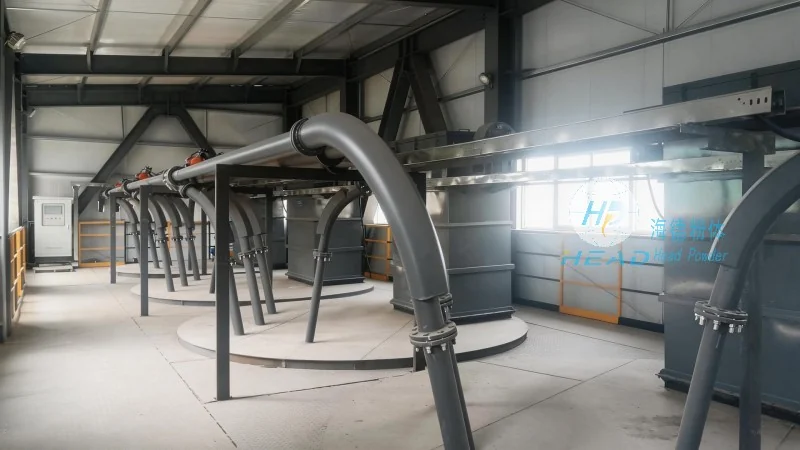
Conclusion: Ensuring Efficient and Safe Styrene Handling
In conclusion, styrene pneumatic conveying lines represent a sophisticated solution for the transportation of this critical monomer in industrial applications. By understanding the principles of pneumatic conveying and the specific characteristics of styrene, manufacturers can implement systems that enhance operational efficiency, maintain product quality, and ensure workplace safety. The expertise of companies like Shandong HeadPowder Engineering Co., Ltd. plays a vital role in delivering tailored solutions that meet the demands of modern styrene processing facilities. As the industry continues to prioritize safety and efficiency, the role of advanced pneumatic conveying systems in styrene handling will remain integral to the success of production operations, supporting sustainable and compliant manufacturing practices.




