HeadPowder, a leading engineering company based in Shandong, China, specializes in the design and implementation of advanced pneumatic conveying systems tailored for the cocoa processing industry. This article explores the fundamental principles behind cocoa pneumatic conveying lines and highlights the key working scene characteristics that make them indispensable in modern cocoa production and handling operations.
Understanding the Core Principle of Cocoa Pneumatic Conveying
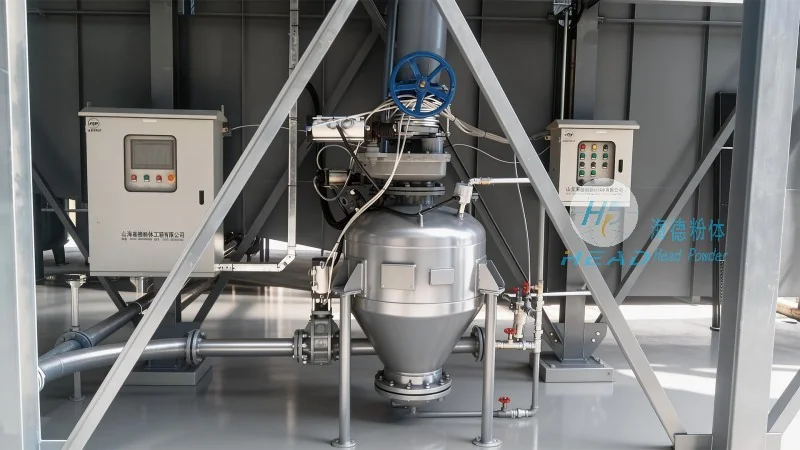
The principle of cocoa pneumatic conveying involves the use of air as the primary medium to transport solid materials, such as cocoa beans or powder, through a network of pipes and components. Unlike traditional mechanical conveying methods, which rely on belts, buckets, or screws, pneumatic systems utilize pressure differentials to move materials efficiently and with minimal friction. This method is particularly advantageous for handling delicate or abrasive materials like cocoa, as it reduces product degradation and maintains product quality throughout the conveying process.
At the heart of a cocoa pneumatic conveying system is the air compressor, which generates the necessary pressure to move the material. The system typically operates under either positive pressure (where air pushes the material forward) or negative pressure (where air is drawn through the system, pulling the material along). For cocoa applications, positive pressure systems are more common due to their ability to handle high volumes and prevent material blockages. The system includes key components like the hopper (for material storage), the feeder (to control material flow), the pipeline network, and the receiver (to collect the conveyed material). Each component plays a critical role in ensuring smooth and efficient material transport.
Key Working Scene Characteristics of Cocoa Pneumatic Conveying Lines
Cocoa pneumatic conveying lines are designed to meet the specific demands of cocoa processing environments, which often involve high moisture content, varying particle sizes, and the need for gentle handling. The working scene characteristics of these systems are tailored to optimize performance in these conditions:
1. Gentle Material Handling and Preservation
One of the most significant advantages of cocoa pneumatic conveying is its ability to handle delicate cocoa beans and powder without causing damage. The air flow in the system is controlled to minimize impact and abrasion, preserving the quality and flavor of the cocoa. This is crucial for maintaining the product's market value, especially in premium cocoa applications where texture and aroma are critical.
2. High Efficiency and Capacity
Pneumatic conveying systems are capable of handling large volumes of cocoa material at high speeds, making them ideal for large-scale production facilities. The positive pressure operation allows for continuous material flow, reducing downtime and increasing overall productivity. The system's design can be scaled to accommodate varying production rates, ensuring that it meets the needs of both small and large-scale cocoa processing operations.
3. Versatility in Material Handling
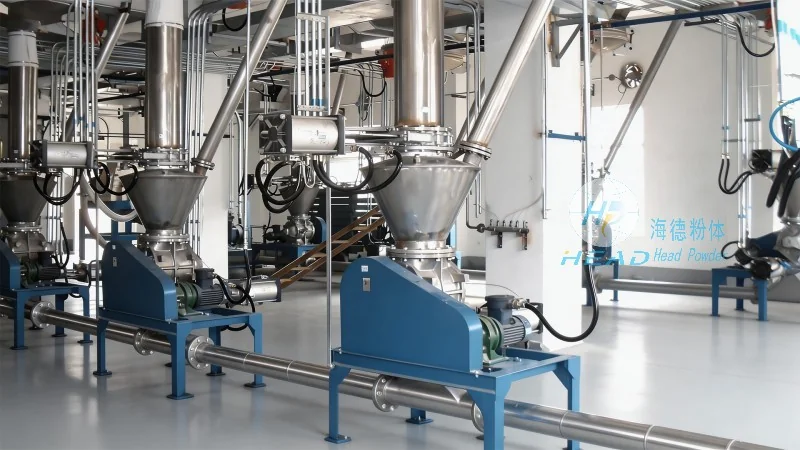
Cocoa pneumatic conveying lines can handle a wide range of materials, from whole cocoa beans to ground cocoa powder and even cocoa butter. The system's flexibility allows it to be integrated into various stages of the cocoa processing workflow, such as from raw bean reception to final product packaging. This versatility makes it a valuable asset in modern cocoa processing plants, where different material forms may need to be transported at different points in the production cycle.
4. Space Efficiency and Layout Flexibility
Unlike traditional mechanical conveyors, which require extensive horizontal or vertical space, pneumatic conveying systems can be installed in a more compact manner. The use of flexible or rigid pipes allows for the system to be routed around existing equipment or obstacles, optimizing the use of available space in the processing facility. This is particularly beneficial in older or existing plants where space is limited, as it enables the integration of advanced conveying technology without major structural modifications.
5. Reduced Maintenance and Operational Costs
Pneumatic conveying systems generally have lower maintenance requirements compared to mechanical systems, as they have fewer moving parts that can wear out or require regular servicing. The absence of belts, chains, or screws reduces the risk of mechanical failure and lowers the overall operational costs over the system's lifespan. Additionally, the system's energy efficiency, particularly with modern air compressors, contributes to lower electricity bills and a more sustainable operation.
Application Scenarios in Cocoa Processing
HeadPowder's cocoa pneumatic conveying lines are widely used in various stages of the cocoa processing industry, including:
1. Raw Cocoa Bean Transport
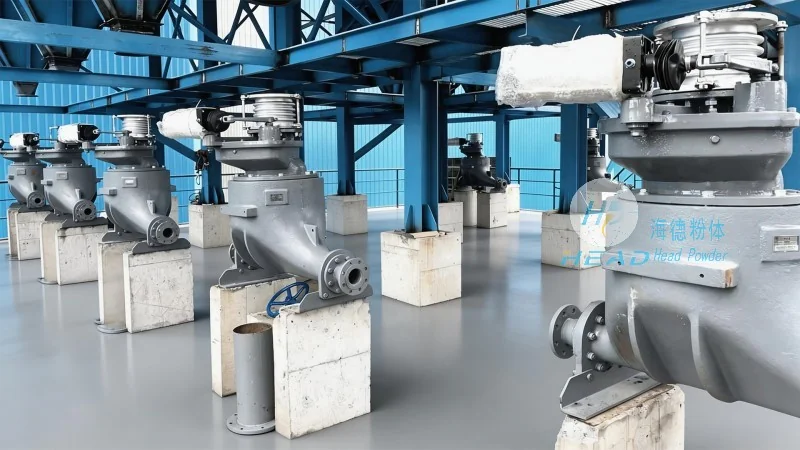
From the reception of raw cocoa beans to the storage silos, pneumatic conveying systems efficiently transport the beans from the receiving area to the processing plant. This ensures that the beans are handled gently and are ready for the next stage of processing, such as roasting or grinding.
2. Cocoa Powder and Meal Conveying
After grinding and processing, cocoa powder and meal are conveyed from the grinding mills to storage tanks or packaging areas. The system's ability to handle fine powders without clogging or loss is essential for maintaining product consistency and quality.
3. Cocoa Butter and Liquid Product Handling
For products like cocoa butter, which are in liquid or semi-liquid form, specialized pneumatic conveying equipment can be used to transport these materials. This may involve the use of positive pressure systems with appropriate piping and valves to ensure safe and efficient transport.
4. Integrated Processing Lines
Cocoa pneumatic conveying systems are often integrated with other processing equipment, such as roasters, dryers, and packaging machines. This integration allows for a seamless flow of materials from one stage to the next, enhancing overall plant efficiency and reducing the need for manual handling.
Conclusion
HeadPowder Engineering Co., Ltd., based in Shandong, China, provides advanced cocoa pneumatic conveying solutions that leverage the core principles of air-based material transport to meet the unique demands of the cocoa industry. The working scene characteristics of these systems, including gentle handling, high efficiency, versatility, space efficiency, and low maintenance, make them a preferred choice for modern cocoa processing facilities. By understanding and implementing these principles, cocoa producers can optimize their operations, maintain product quality, and enhance overall productivity.




