

Principle and Working Scene Characteristics of High-Temperature Fine Powder Pneumatic Conveying Line
High-temperature fine powder pneumatic conveying lines are specialized systems designed to transport fine powders in environments where temperatures are elevated, often exceeding standard operational limits. These systems are critical in industries such as cement production, power generation, and chemical processing, where the efficient and safe handling of hot powders is essential for operational efficiency and product quality. The design and functionality of these lines are tailored to address the unique challenges posed by high temperatures, ensuring reliable performance and minimal material degradation.
Principle of High-Temperature Fine Powder Pneumatic Conveying
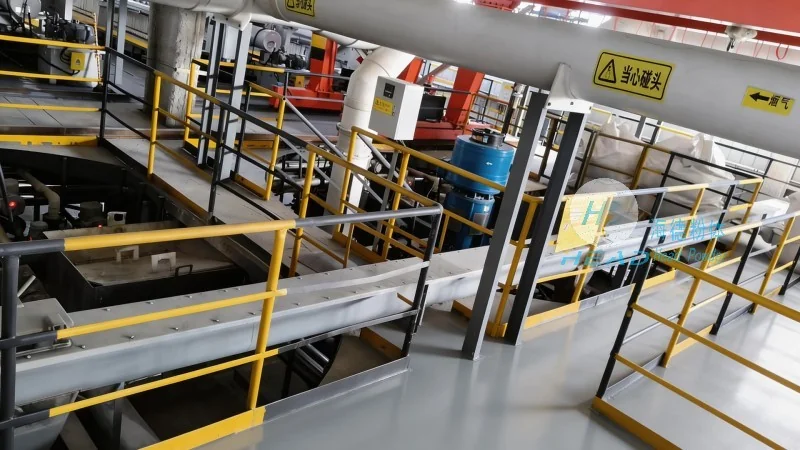
The core principle of high-temperature fine powder pneumatic conveying involves the use of compressed air or other gases to transport particulate materials through a pipeline system. In conventional pneumatic conveying, air is used to create a flow that lifts and moves the powder particles. However, in high-temperature applications, additional considerations are required to maintain system integrity and prevent equipment failure. The system typically consists of a hopper for material storage, a feeder to control the flow rate, a conveying line with specialized components like heated sections or insulated pipes, and a receiver for the discharged material. The key to effective operation lies in balancing the air pressure, flow rate, and temperature to ensure that the powder is conveyed without clogging, degradation, or loss of material.
For high-temperature applications, the materials used in the conveying line components must be resistant to thermal stress and corrosion. Components such as the hopper, feeder, and pipeline may incorporate heat-resistant alloys or high-temperature coatings to withstand temperatures ranging from 200°C to over 800°C, depending on the specific application. The air used for conveying may also be preheated or treated to prevent condensation or moisture-related issues that could affect the powder's properties. Additionally, the system may include temperature sensors and control mechanisms to monitor and regulate the temperature within the conveying line, ensuring that the powder remains in a stable state throughout the process.
Working Scene Characteristics of High-Temperature Fine Powder Pneumatic Conveying Lines
The working scene characteristics of high-temperature fine powder pneumatic conveying lines are shaped by the specific operational requirements of the industries they serve. In cement plants, for example, these systems are used to transport clinker, raw materials, or finished cement powders from storage silos to processing units. The high temperatures in cement production (often exceeding 500°C) necessitate specialized equipment that can handle both the heat and the abrasive nature of the powders. The conveying lines in this context are designed to maintain consistent flow rates and prevent material buildup, which could lead to blockages or equipment damage.
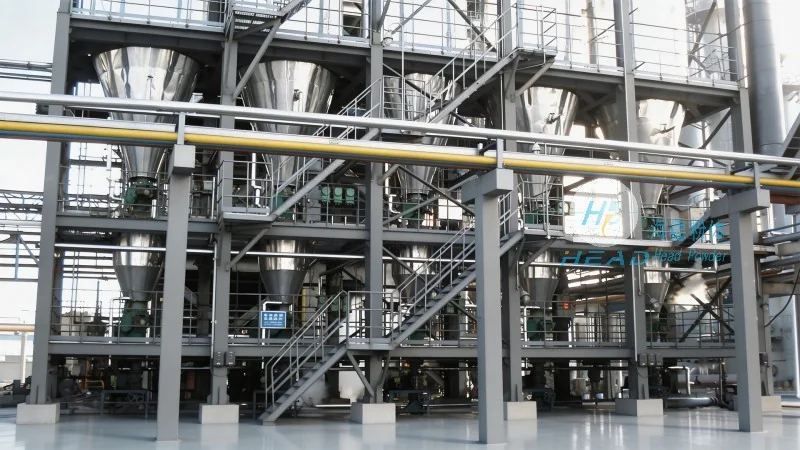
In power generation facilities, particularly coal-fired or biomass-fired plants, high-temperature fine powder pneumatic conveying lines are employed to transport fly ash or bottom ash from the boiler to disposal or utilization sites. The temperatures in these environments can reach high levels, and the powders are often fine and abrasive. The systems must be robust enough to handle these conditions while ensuring that the ash is conveyed efficiently and safely. The working scene may also involve long-distance conveying, requiring the use of booster fans or multiple stages to maintain sufficient air pressure over extended distances.
In the chemical industry, high-temperature fine powder pneumatic conveying lines are used for the transport of various chemical powders, such as catalysts, pigments, or specialty chemicals. The characteristics of these powders, including their reactivity or sensitivity to moisture, require careful control of the conveying environment. The systems may incorporate additional features like dust collection or filtration to prevent contamination and ensure product purity. The working scene may also involve varying temperature ranges, as different chemical processes generate powders at different temperatures, necessitating flexible and adaptable conveying solutions.
Key Features and Advantages in Different Working Scenarios
Across various working scenarios, high-temperature fine powder pneumatic conveying lines offer several advantages that make them suitable for demanding applications. One of the primary benefits is the ability to transport powders over long distances without the need for mechanical components like belts or buckets, which can be prone to wear and failure in high-temperature environments. The system's flexibility allows for easy integration into existing production lines, reducing installation time and costs. Additionally, the enclosed nature of the conveying line minimizes dust emissions and improves safety, which is crucial in industrial settings where fine powders can pose health risks.
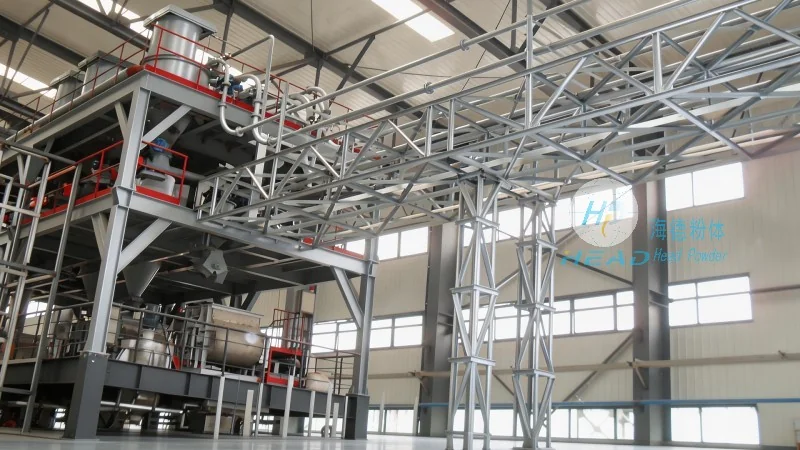
Another advantage is the ability to handle a wide range of powder properties, including varying particle sizes, densities, and moisture contents. The system's design can be customized to accommodate different powder characteristics, ensuring optimal performance. In high-temperature scenarios, the use of specialized materials and insulation helps to maintain the temperature of the powder during transport, preventing premature cooling or degradation. This is particularly important for materials that are sensitive to temperature changes, as it helps to preserve their quality and reactivity.
The working scene characteristics also highlight the importance of system reliability and maintenance. High-temperature pneumatic conveying systems require regular inspection and maintenance to ensure that components are functioning correctly and that the system remains within safe operating parameters. The use of advanced monitoring technologies, such as temperature sensors and pressure gauges, helps to detect potential issues early, reducing downtime and maintenance costs. In addition, the design of the system may include features like automatic shut-off valves or emergency stop mechanisms to enhance safety and prevent accidents in case of system failures.
Conclusion
High-temperature fine powder pneumatic conveying lines are essential components in modern industrial operations, providing efficient and reliable transport of hot powders in challenging environments. The principles and working scene characteristics of these systems are tailored to meet the specific needs of different industries, ensuring that materials are handled safely and effectively. By incorporating specialized materials, temperature control mechanisms, and robust design, these systems offer significant advantages over traditional conveying methods, making them a preferred choice for high-temperature applications. As industries continue to evolve and demand more efficient and sustainable processes, the importance of high-temperature pneumatic conveying systems will only grow, driving further innovation and development in this field.