Barium carbonate, a widely used chemical compound in various industrial applications, requires efficient and reliable material handling solutions for its transportation. Pneumatic conveying lines offer a sophisticated method to transport barium carbonate, ensuring safety, efficiency, and minimal product degradation. This article explores the fundamental principles behind barium carbonate pneumatic conveying systems and highlights the key working scene characteristics that define their operational effectiveness.
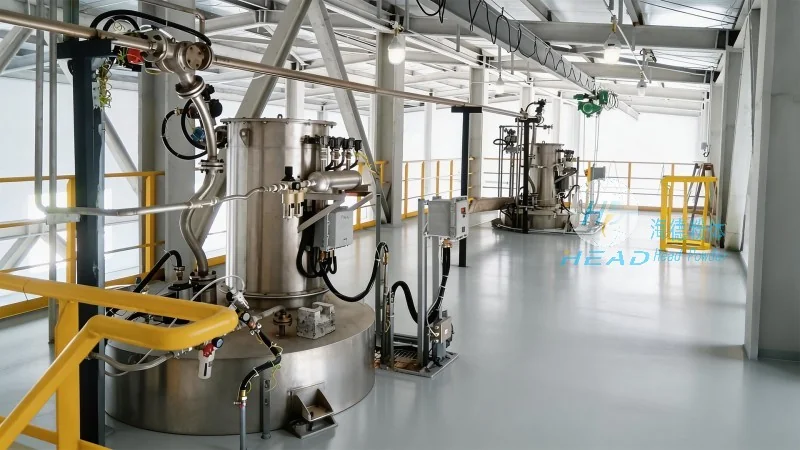
The Core Principle of Pneumatic Conveying for Barium Carbonate
The pneumatic conveying process for barium carbonate operates on the principle of using compressed air to move bulk materials through a pipeline system. Unlike traditional mechanical conveying methods, which rely on mechanical components like belts or screws, pneumatic systems utilize air pressure to transport the material. In the case of barium carbonate, the system typically involves a hopper or storage silo where the material is stored, a feeder that controls the flow rate, and a pipeline network that transports the material to its destination. The compressed air, often generated by a blower or compressor, is introduced into the pipeline, creating a flow that carries the barium carbonate particles. This method allows for a continuous, dust-free, and controlled transfer of the material, which is crucial for maintaining product quality and operational safety.
Key Working Scene Characteristics of Barium Carbonate Pneumatic Conveying Lines
The effectiveness of barium carbonate pneumatic conveying lines is defined by several critical working scene characteristics that optimize performance and adaptability. These characteristics include:
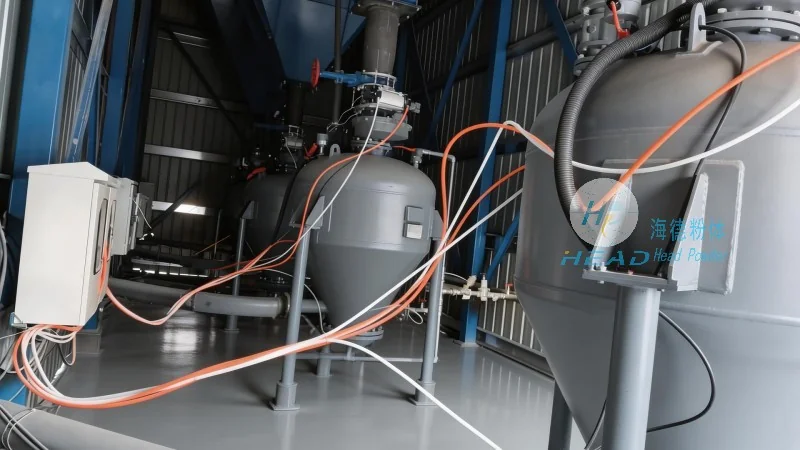
- Material Handling Efficiency: The system is designed to handle large volumes of barium carbonate with minimal downtime, ensuring consistent production flow. The controlled air pressure and flow rate allow for precise material transfer, reducing waste and improving overall operational efficiency.
- Environmental and Safety Compliance: Pneumatic conveying minimizes dust generation compared to other methods, which is essential for maintaining a safe working environment, especially when dealing with potentially hazardous materials like barium carbonate. The enclosed pipeline system also helps in controlling dust exposure and adhering to environmental regulations.
- Space and Layout Flexibility: Unlike fixed mechanical conveyors, pneumatic systems can be easily reconfigured to accommodate changes in production layout or facility expansion. This flexibility is particularly valuable in industrial settings where space constraints or operational changes are common.
- Reduced Maintenance and Downtime: With fewer mechanical components (such as belts, pulleys, or screws) compared to traditional conveyors, pneumatic systems experience lower maintenance requirements and reduced risk of mechanical failure. This leads to lower operational costs and increased system reliability.
Application Scenarios and Operational Benefits
Barium carbonate pneumatic conveying lines are widely used in various industrial applications, including chemical manufacturing, pharmaceutical production, and mining operations. The system's ability to handle fine powders and maintain product integrity makes it ideal for processes where contamination or material degradation could impact final product quality. For example, in the chemical industry, barium carbonate is often used as a raw material in the production of other compounds, and the pneumatic conveying system ensures that the material is transferred without mixing with other substances or losing its chemical properties.
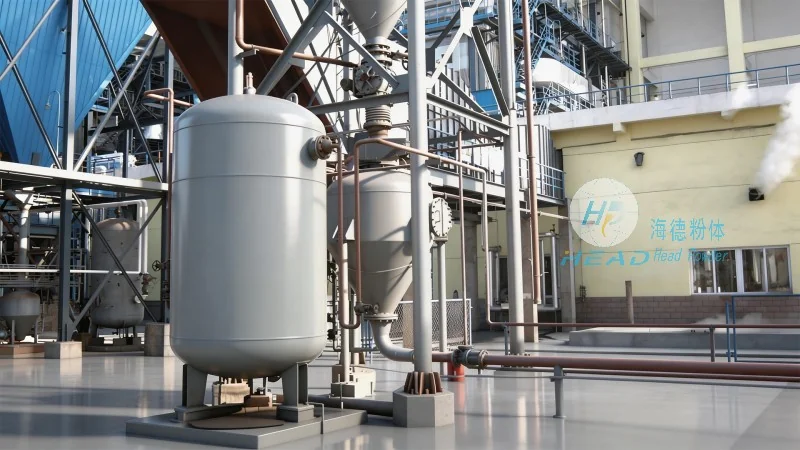
In pharmaceutical applications, the stringent quality control requirements make pneumatic conveying an attractive option. The enclosed system prevents contamination from external sources, and the controlled flow rate ensures that the material is delivered to the next stage of production in a consistent manner. This is critical for maintaining the purity and efficacy of pharmaceutical products.
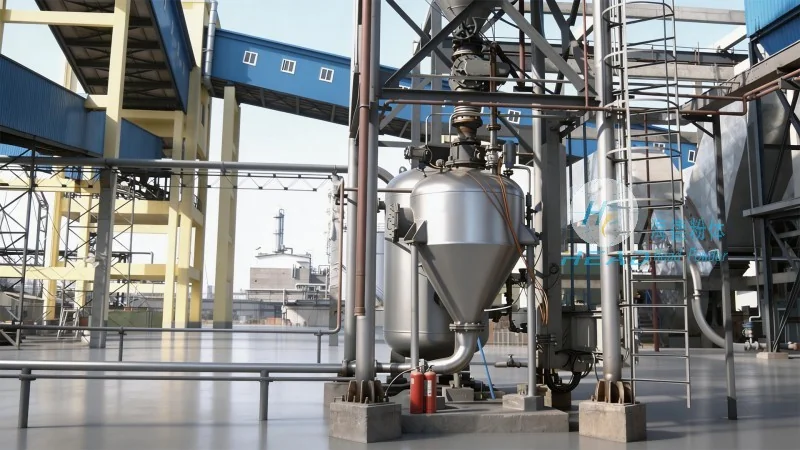
Company Overview: Shandong HeadPowder Engineering Co., Ltd.
Shandong HeadPowder Engineering Co., Ltd., commonly known as HeadPowder, is a leading provider of specialized engineering solutions for material handling and processing. With a focus on innovation and customer-centric design, HeadPowder has developed advanced pneumatic conveying systems tailored to the unique needs of industries dealing with fine powders like barium carbonate. The company's expertise in designing and manufacturing high-quality conveying equipment ensures that clients receive reliable, efficient, and cost-effective solutions that meet their specific operational requirements.
HeadPowder's commitment to quality and safety is reflected in its adherence to industry standards and rigorous testing protocols. The company's facilities, located in Shandong, China, are equipped with state-of-the-art technology and skilled personnel who work closely with clients to understand their material handling challenges and provide tailored solutions. By leveraging years of experience in the industry, HeadPowder has established itself as a trusted partner for businesses seeking to optimize their material handling processes and improve overall operational efficiency.




