For businesses involved in the rice processing industry, understanding the technology behind paddy grain pneumatic conveying machines is crucial. These machines are essential for efficiently transporting paddy grains from one location to another within a processing facility. The core function of a paddy grain pneumatic conveying system is to move bulk materials like paddy through a pipeline using air pressure, eliminating the need for traditional mechanical conveyors that may cause grain damage or contamination.
Key Components and Design Principles
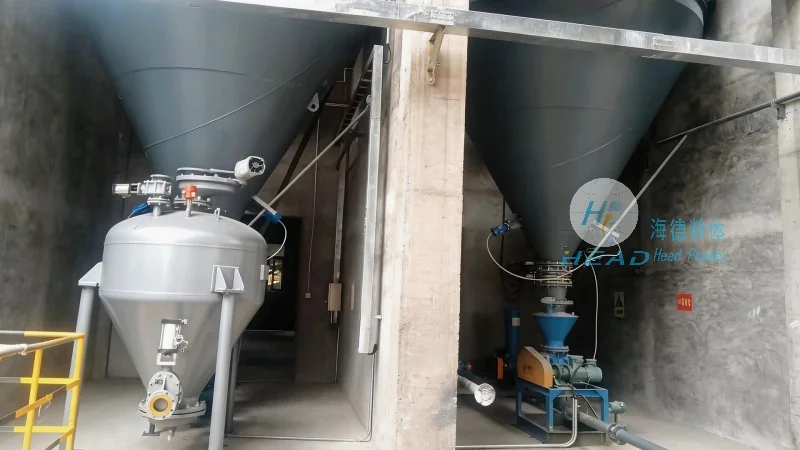
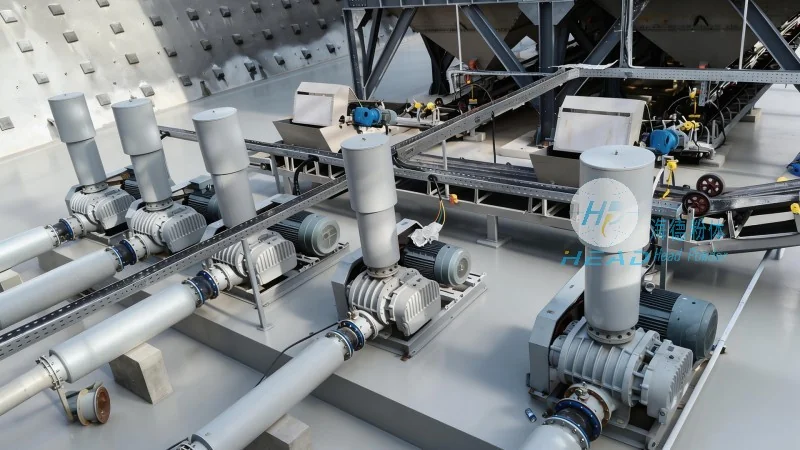
At the heart of a paddy grain pneumatic conveying machine are several key components that work in tandem to ensure smooth operation. The primary components include a hopper for material storage, a blower or air compressor to generate the necessary air pressure, a pipeline system to transport the grains, and a discharge outlet for the material. The design principles revolve around creating a consistent airflow that can lift and transport the paddy grains without causing excessive wear or breakage. The system typically operates under negative pressure (suction) or positive pressure (blowing), with the choice depending on the specific application and facility layout.
How the Conveying Process Works
The operation of a paddy grain pneumatic conveying machine begins with the paddy being fed into the hopper. The blower then generates a flow of air that draws the grains into the pipeline. As the air moves through the pipeline, it carries the paddy grains along, ensuring they are transported to the desired location. The system is designed to maintain a consistent air velocity to prevent the grains from settling or clogging the pipeline. The discharge outlet is positioned at the end of the pipeline, where the paddy is released into a storage bin or processing unit. This process is continuous and can handle large volumes of paddy, making it ideal for industrial-scale rice processing operations.
Advantages of Pneumatic Conveying for Paddy Grains
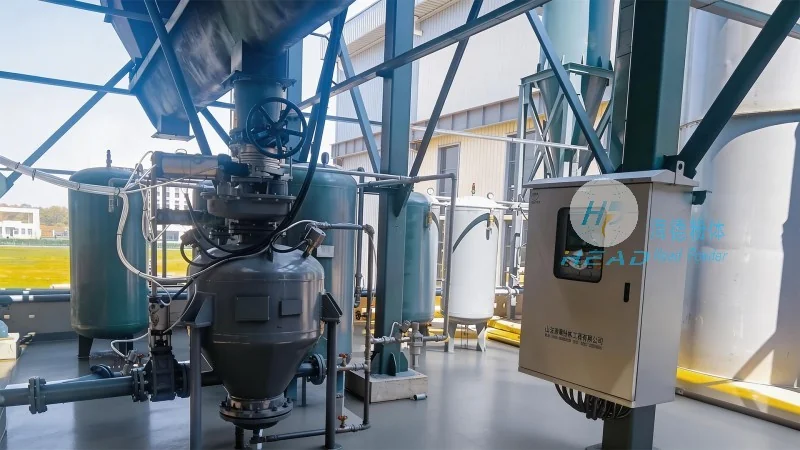
Compared to traditional mechanical conveyors, paddy grain pneumatic conveying machines offer several advantages. First, they are gentler on the grains, reducing breakage and maintaining the quality of the paddy. This is particularly important for rice processing, where grain integrity affects the final product's quality. Second, the system is more hygienic, as it operates in a closed pipeline, preventing contamination from external sources. Third, pneumatic conveyors are more flexible in terms of layout, allowing for vertical, horizontal, or inclined transport, which can optimize the use of space in a processing facility. Additionally, the system can be easily integrated with other processing equipment, such as cleaners or sorters, to form a complete production line.
Applications in the Rice Processing Industry
Paddy grain pneumatic conveying machines are widely used in various stages of rice processing. They are commonly employed to transport paddy from storage silos to cleaning and sorting equipment, then to milling machines for processing into white rice. The system can also be used to move finished products, such as milled rice or rice bran, between different parts of the facility. The versatility of the pneumatic conveying system makes it suitable for both new and existing rice processing plants, helping to improve efficiency and reduce labor costs.
Conclusion
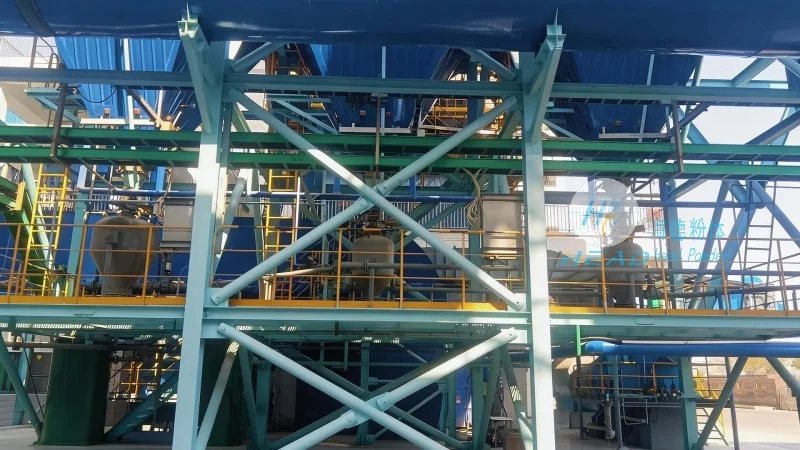
Shandong HeadPowder Engineering Co., Ltd., based in Shandong, China, specializes in the design and manufacturing of paddy grain pneumatic conveying machines. By leveraging advanced design principles and high-quality components, their machines ensure efficient and gentle transport of paddy grains, meeting the needs of modern rice processing operations. The company's commitment to quality and innovation has made their pneumatic conveying systems a trusted choice for businesses in the rice industry, helping to enhance productivity and maintain product quality.




