When it comes to efficient and reliable material handling in the feed processing industry, especially for soybean feed, pneumatic conveying equipment plays a crucial role. This equipment is designed to transport bulk powders and granular materials like soybean feed through a system of pipes using air or other gases as the conveying medium. Understanding the structure and working principle of such equipment is essential for optimizing feed production lines and ensuring consistent quality in the final product.
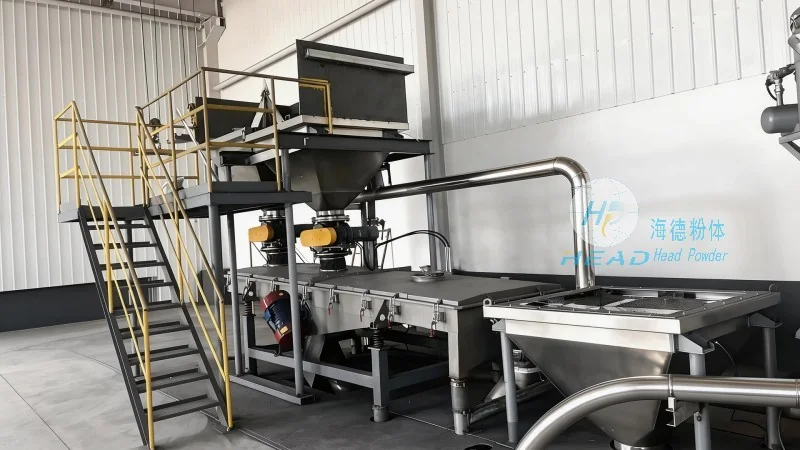
Overview of Soybean Feed Pneumatic Conveying Equipment
Soybean feed, a key component in animal nutrition, often requires specialized handling due to its particle size, moisture content, and flow characteristics. Pneumatic conveying systems offer a solution that minimizes contamination, reduces dust generation, and maintains product integrity during transport. These systems are widely used in feed mills, animal feed production facilities, and related processing plants to move soybean feed from storage silos to processing units, mixing stations, or packaging areas.
Key Structural Components of the Equipment
The typical structure of a soybean feed pneumatic conveying system includes several critical components that work in tandem to achieve efficient material transport. The main parts are the feed hopper, the air compressor or blower, the conveying pipeline network, the air-solid separation unit, and the product collection or discharge system. Each component is engineered to handle the specific challenges of soybean feed, ensuring smooth and continuous operation.
First, the feed hopper is responsible for storing and feeding the soybean feed into the system. It is designed with a hopper shape to prevent material bridging and ensure a consistent flow rate. The hopper is equipped with a feeder, such as a rotary valve or a screw feeder, which controls the amount of material entering the conveying line. This component is crucial for maintaining a steady feed rate, preventing blockages, and protecting the downstream equipment from excessive pressure or material buildup.
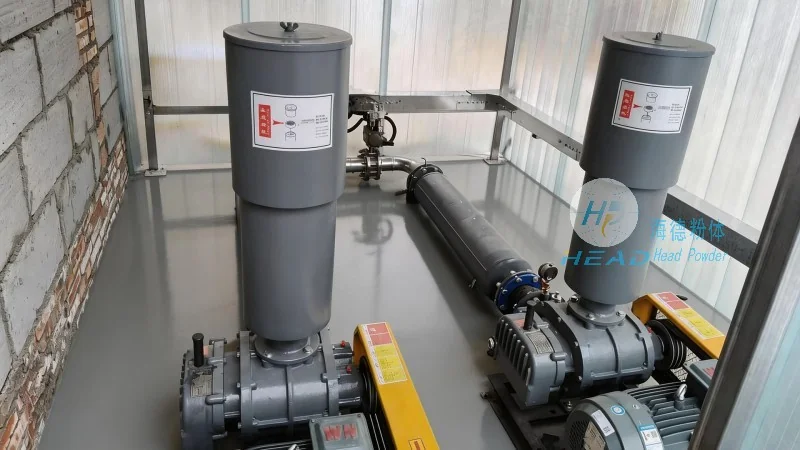
Next, the air compressor or blower provides the necessary air pressure to move the soybean feed through the pipeline. There are two main types of pneumatic conveying systems based on the pressure used: positive pressure systems and negative pressure systems. Positive pressure systems use a blower to force air and material through the pipeline, while negative pressure systems use a vacuum to draw material into the system. For soybean feed, positive pressure systems are often preferred as they offer better control over material flow and can handle a wider range of particle sizes and moisture levels.
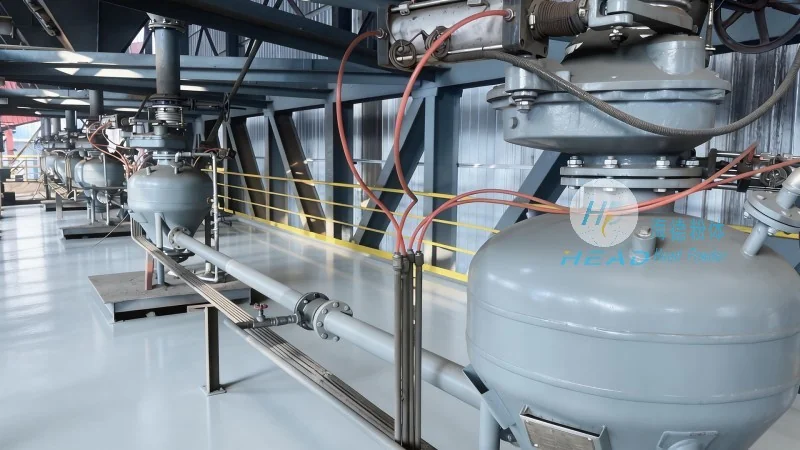
The conveying pipeline network consists of a series of pipes connected to the feed hopper and the separation unit. The pipes are typically made of stainless steel or other corrosion-resistant materials to withstand the abrasive nature of soybean feed and prevent contamination. The pipeline design includes bends, elbows, and straight sections, all optimized to minimize pressure drop and maintain the velocity of the air-material mixture. Proper pipe sizing and layout are essential to ensure efficient transport and avoid excessive energy consumption.
The air-solid separation unit is a critical component that separates the soybean feed from the air after it has traveled through the pipeline. This unit typically consists of a cyclone separator or a bag filter, depending on the system design. The cyclone separator uses centrifugal force to separate the solid particles from the air, while the bag filter uses fabric bags to trap the particles. The separated feed is then collected in a discharge hopper or directly into the next processing stage. The separated air is either vented to the atmosphere or recycled back to the blower, depending on the system configuration.
Working Principle of the Pneumatic Conveying System
The working principle of a soybean feed pneumatic conveying system is based on the interaction between the air flow and the solid particles. In a positive pressure system, the blower creates a high-pressure air stream that entrains the soybean feed particles as they enter the pipeline. The air velocity is maintained above the minimum conveying velocity, which is the speed at which the particles are lifted and carried by the air. The particles are suspended in the air stream and transported through the pipeline to the separation unit.
In a negative pressure system, the vacuum created by the fan draws the soybean feed particles into the system through the feed hopper. The particles are then carried by the air stream through the pipeline and into the separation unit. The separation process relies on the difference in density between the solid particles and the air, causing the particles to settle out of the air stream and be collected.
The efficiency of the pneumatic conveying system depends on several factors, including the air velocity, the particle size and density of the soybean feed, the pipeline length and diameter, and the design of the separation unit. Proper system design and maintenance are essential to ensure optimal performance and minimize energy consumption. For soybean feed, which may have varying particle sizes and moisture content, the system must be adjusted to accommodate these variations and maintain consistent conveying rates.
Advantages of Using Pneumatic Conveying for Soybean Feed
There are several advantages to using pneumatic conveying equipment for soybean feed processing. First, it offers a closed system that prevents contamination from external sources and minimizes dust generation, which is important for maintaining product quality and worker safety. Second, it allows for the transport of materials over long distances without the need for multiple transfer points, reducing the risk of material loss or degradation. Third, the system can handle a wide range of particle sizes and moisture levels, making it suitable for various types of soybean feed products. Finally, pneumatic conveying systems are relatively easy to install and maintain, with minimal downtime required for routine maintenance.
About Shandong HeadPowder Engineering Co., Ltd.
HeadPowder, a leading manufacturer of powder handling equipment, specializes in designing and manufacturing high-quality pneumatic conveying systems for the feed processing industry. With years of experience and a commitment to innovation, HeadPowder provides customized solutions tailored to the specific needs of each customer. The company's products are engineered to meet the highest standards of performance, reliability, and safety, ensuring that they deliver long-term value to their clients.
HeadPowder's team of engineers and technicians work closely with customers to understand their unique requirements and develop solutions that optimize their feed production processes. The company's manufacturing facilities are equipped with state-of-the-art technology and strict quality control measures to ensure that every product meets or exceeds industry standards. With a focus on customer satisfaction and continuous improvement, HeadPowder is a trusted partner for feed processing facilities around the world.
Conclusion
Soybean feed pneumatic conveying equipment is a vital component in modern feed processing operations, offering efficient, reliable, and safe material handling solutions. By understanding the structure and working principle of such equipment, feed producers can optimize their production lines, improve product quality, and reduce operational costs. With the expertise and experience of companies like Shandong HeadPowder Engineering Co., Ltd., feed processing facilities can access high-quality equipment that meets their specific needs and helps them achieve their business goals.




