HeadPowder, a leading manufacturer based in Shandong, China, specializes in the design and production of advanced pneumatic conveying systems for various industrial applications. Among their product line is the cement dry powder pneumatic conveying equipment, which is widely used in the cement industry for efficient material handling. This article provides a detailed overview of the structure and working principle of this equipment, helping users understand its functionality and benefits.
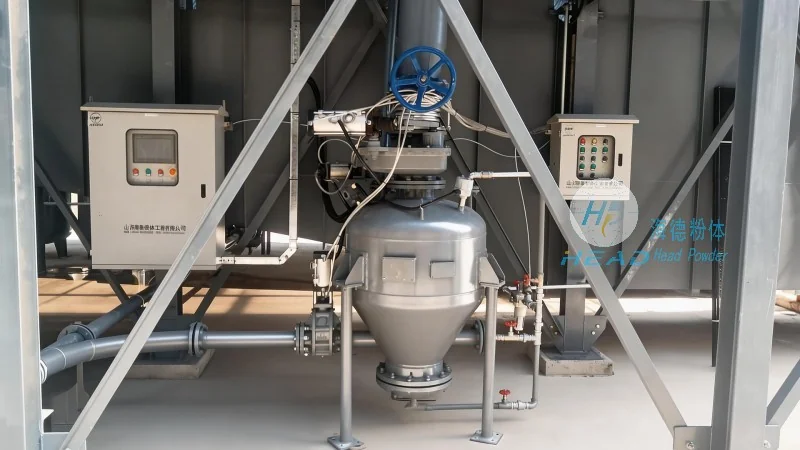
Company Profile: HeadPowder Engineering Co., Ltd.
HeadPowder Engineering Co., Ltd. is a professional enterprise dedicated to the research, development, and manufacturing of pneumatic conveying equipment. With years of experience in the industry, the company has established itself as a trusted supplier of high-quality solutions for material handling challenges. HeadPowder's commitment to innovation and quality ensures that their products meet the demanding requirements of modern industrial processes. The company's headquarters is located in Shandong, China, where they maintain a state-of-the-art production facility and technical support team.
What is Cement Dry Powder Pneumatic Conveying Equipment?
Cement dry powder pneumatic conveying equipment is a system designed to transport dry powders, such as cement, through a pipeline using air or gas as the conveying medium. This method is known as pneumatic conveying and offers several advantages over traditional mechanical conveying systems, including reduced maintenance, lower energy consumption, and the ability to handle materials that are difficult to transport via conventional methods. The equipment is commonly used in cement plants, construction sites, and other industrial settings where large volumes of cement need to be moved efficiently.
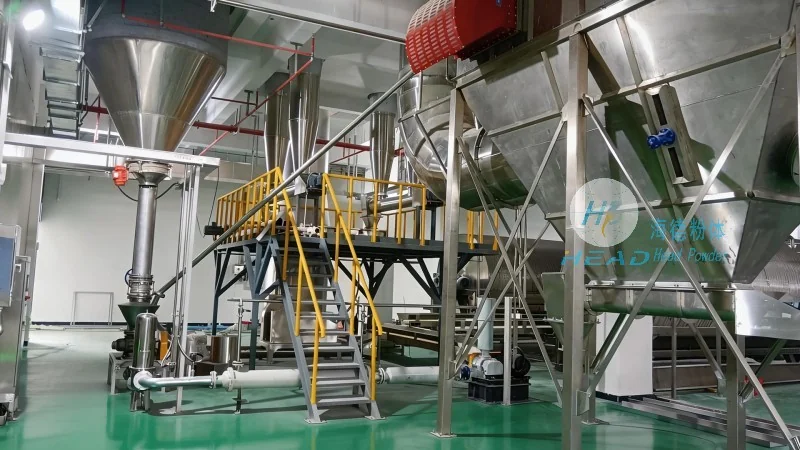
Key Components of the Pneumatic Conveying System
The cement dry powder pneumatic conveying equipment consists of several key components that work together to ensure smooth and reliable operation. These components include:
- Feeder: The feeder is responsible for feeding the dry powder material into the conveying system. It ensures a consistent and controlled flow of material, preventing blockages and maintaining system efficiency.
- Pneumatic Conveying Pipeline: The pipeline is the main channel through which the powder and air mixture travels. It is typically made of stainless steel or other corrosion-resistant materials to withstand the abrasive nature of cement and prevent material buildup.
- Blower or Air Compressor: The blower or air compressor provides the necessary air pressure to move the powder through the pipeline. The choice of equipment depends on the system's capacity and the characteristics of the material being conveyed.
- Separation and Collection System: This component is used to separate the powder from the air at the end of the conveying line. It typically includes a cyclone separator or a filter system that collects the powder and returns it to the storage or processing area.
- Control System: The control system monitors and regulates the operation of the entire conveying process. It includes sensors, valves, and a control panel that allows operators to adjust parameters such as air pressure, flow rate, and material feed rate to optimize performance.
Working Principle of the Pneumatic Conveying Equipment
The working principle of the cement dry powder pneumatic conveying equipment involves the following steps:
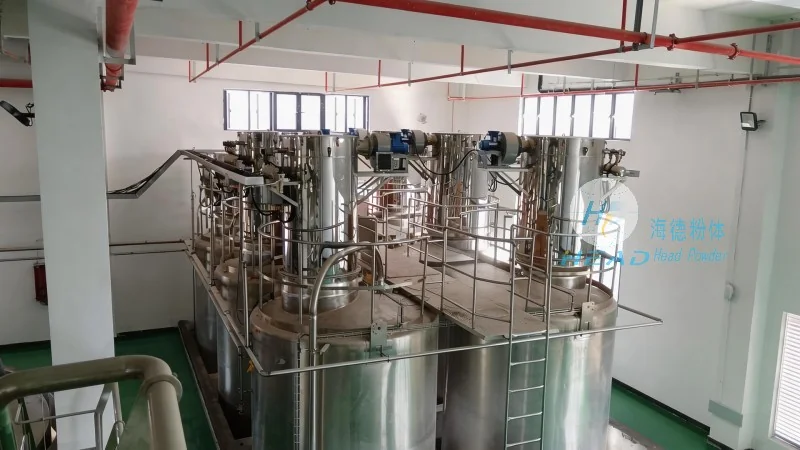
- Material Feeding: The dry cement powder is fed into the feeder from a storage silo or hopper. The feeder ensures a steady flow of material into the system.
- Air Injection: The blower or air compressor generates a high-pressure air stream that is introduced into the pipeline at the feeder end. The air flow creates a negative pressure or positive pressure environment, depending on the system design.
- Material Suspension: As the air flows through the pipeline, it lifts and suspends the cement powder particles, forming a mixture of air and powder. The powder particles are carried along with the air stream.
- Transportation: The air-powder mixture travels through the pipeline to the destination point, such as a silo, mixer, or processing unit. The pipeline may include bends, expansions, or other components to guide the flow.
- Separation and Collection: At the end of the pipeline, the separation system uses centrifugal force or filtration to separate the powder from the air. The separated powder is collected in a hopper or storage vessel, while the air is either recirculated or vented to the atmosphere.
Advantages of Using Cement Dry Powder Pneumatic Conveying Equipment
There are several advantages to using pneumatic conveying systems for cement transportation. These include:
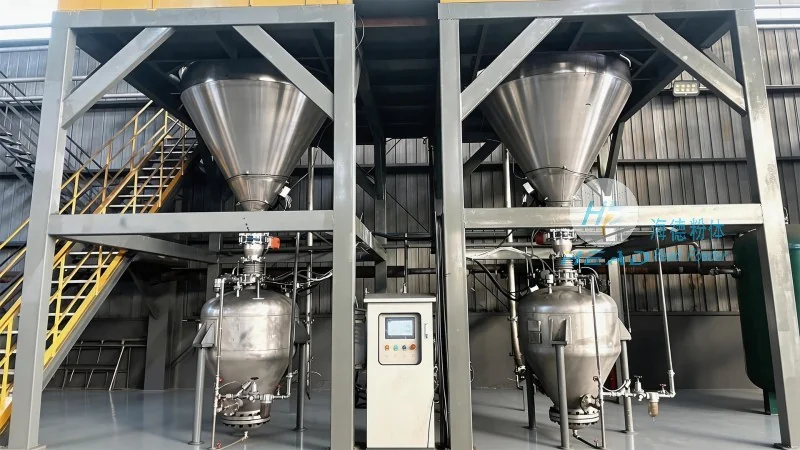
- Efficiency and Speed: The equipment allows for rapid and continuous transportation of large volumes of cement, reducing downtime and increasing productivity.
- Low Maintenance: Pneumatic systems have fewer moving parts compared to mechanical systems, resulting in lower maintenance costs and longer equipment life.
- Reduced Downtime: The absence of mechanical components like belts or chains minimizes the risk of breakdowns and reduces the need for frequent maintenance.
- Energy Efficiency: Modern pneumatic conveying systems are designed to be energy-efficient, using less power to transport materials compared to traditional methods.
- Versatility: The equipment can handle a wide range of powder characteristics, including different particle sizes, densities, and moisture contents, making it suitable for various applications.
Applications of the Equipment
Cement dry powder pneumatic conveying equipment is widely used in several industrial applications, including:
- Cement Production: In cement plants, the equipment is used to transport raw materials and finished cement products between different processing stages.
- Construction Industry: The equipment is commonly used at construction sites to deliver cement to mixing stations or storage areas.
- Industrial Manufacturing: Other industries that handle dry powders, such as chemicals, pharmaceuticals, and food processing, may also use similar pneumatic conveying systems for material transport.
Conclusion
HeadPowder Engineering Co., Ltd. provides high-quality cement dry powder pneumatic conveying equipment that is designed to meet the demanding requirements of modern industrial applications. The equipment's robust structure, efficient operation, and advanced control systems ensure reliable and cost-effective material handling. By understanding the structure and working principle of this equipment, users can make informed decisions about its application and benefits in their respective industries.




