Calcium hydroxide, commonly known as slaked lime, is a widely used chemical in various industrial applications. Its efficient handling and transportation are crucial for maintaining operational efficiency and safety in processing facilities. Pneumatic conveying, a method of transporting bulk materials through a pipeline using air or other gas, offers a reliable solution for moving calcium hydroxide and other powders. This article provides an overview of calcium hydroxide pneumatic conveying, explaining the fundamental principles and components of the powder handling system.
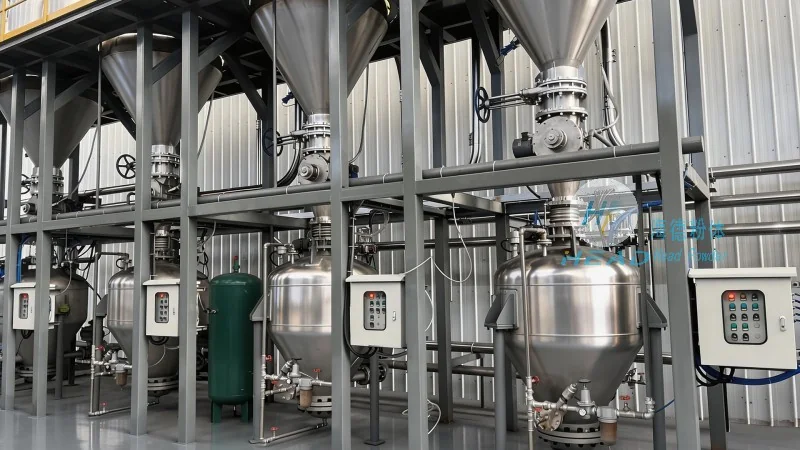
Understanding Calcium Hydroxide and Its Handling Requirements
Calcium hydroxide is a white, powdery substance with a Mohs hardness of about 1.5. It is hygroscopic, meaning it can absorb moisture from the air, which can affect its flow properties and storage stability. Due to its fine particle size and potential to clump, proper handling is essential to prevent material degradation and ensure consistent performance in downstream processes. Pneumatic conveying systems are particularly well-suited for calcium hydroxide because they can transport the material without direct contact with mechanical components, reducing the risk of contamination and equipment wear.
The Working Principle of Pneumatic Conveying Systems
Pneumatic conveying systems operate by creating a pressure differential between the material source and the destination. In a typical system, a blower or compressor generates air flow, which is then introduced into a hopper or feeder containing the calcium hydroxide. The air flow lifts the powder particles and transports them through a pipeline to the discharge point. The system can be classified into two main types: dilute phase and dense phase. Dilute phase systems use higher air velocities to move the material quickly, while dense phase systems use lower velocities and higher pressure to achieve more controlled and gentle transport, which is beneficial for delicate powders like calcium hydroxide.
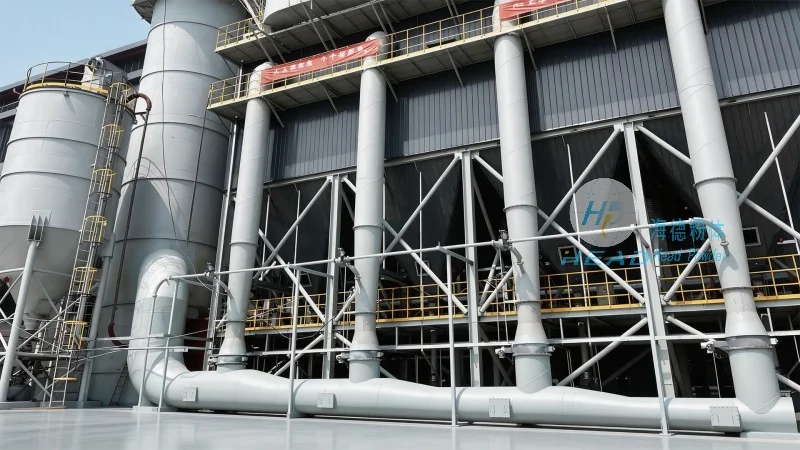
Key Components of a Calcium Hydroxide Pneumatic Conveying System
A pneumatic conveying system for calcium hydroxide typically includes several key components. The primary components are the material feed hopper, which holds the calcium hydroxide and provides a controlled feed rate; the air supply unit, which generates the necessary air pressure and flow; the conveying pipeline, which transports the material from the feed point to the discharge point; and the receiver or silo, where the material is collected. Additional components may include a rotary valve or feeder to regulate the material flow from the hopper, a filter or separator to remove any entrained air or dust from the material, and a pressure regulator or control valve to maintain consistent system pressure. These components work together to ensure efficient and reliable transport of calcium hydroxide.
Advantages of Pneumatic Conveying for Calcium Hydroxide
Using pneumatic conveying for calcium hydroxide offers several advantages over traditional methods such as belt conveyors or bucket elevators. One of the main benefits is the ability to transport the material in a closed system, which helps to prevent dust emissions and maintain a clean working environment. This is particularly important for calcium hydroxide, as it can be a respiratory irritant if inhaled. Additionally, pneumatic conveying systems can handle the hygroscopic nature of calcium hydroxide by maintaining a controlled environment within the pipeline, reducing the risk of moisture absorption and clumping. The system also allows for flexible routing of the pipeline, enabling the material to be transported to multiple destinations without the need for complex reconfiguration. Furthermore, pneumatic conveying can reduce labor costs by automating the material handling process and minimizing the need for manual handling of the powder.
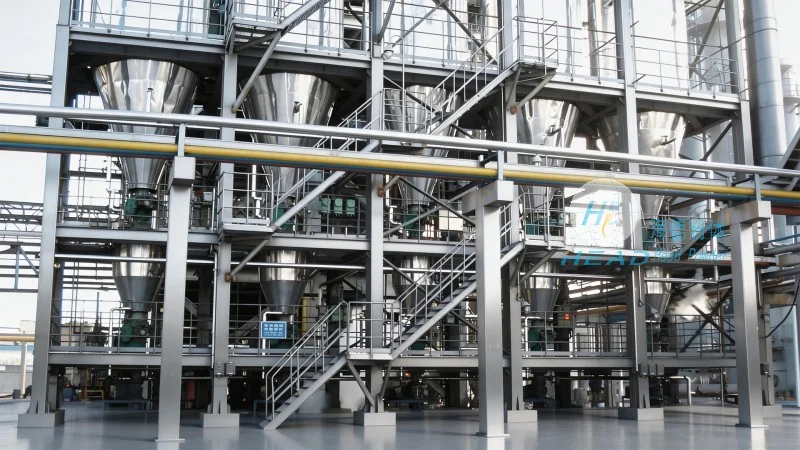
Applications of Calcium Hydroxide Pneumatic Conveying
Calcium hydroxide is used in a variety of industries, including construction, agriculture, and water treatment. In the construction industry, it is used as a component in plaster and mortar, and pneumatic conveying systems are used to transport it from storage silos to mixing plants. In agriculture, calcium hydroxide is used as a soil amendment and for pH adjustment in livestock water, and the system helps to deliver the material to farms efficiently. In water treatment, it is used to neutralize acidic water and remove impurities, and the pneumatic conveying system ensures a consistent supply of the material to the treatment facilities. The versatility of pneumatic conveying makes it suitable for these diverse applications, providing a reliable method for handling calcium hydroxide in various industrial settings.
Conclusion and Company Information
Pneumatic conveying is an effective and efficient method for transporting calcium hydroxide, offering numerous benefits over traditional material handling techniques. The system's ability to handle the hygroscopic and fine particle nature of calcium hydroxide, combined with its closed system design and flexibility, makes it a preferred choice for many industrial applications. As a leading provider of powder handling solutions, Shandong HeadPowder Engineering Co., Ltd. specializes in designing and manufacturing customized pneumatic conveying systems tailored to the specific needs of clients. With a focus on quality and reliability, HeadPowder ensures that their systems meet the highest standards for performance and safety. Based in Shandong, China, HeadPowder serves clients globally, providing innovative solutions for their material handling challenges. Whether for construction, agriculture, or water treatment, HeadPowder's pneumatic conveying systems help to optimize the handling of calcium hydroxide and other powders, contributing to improved operational efficiency and product quality.




