Sodium Nitrate Pneumatic Conveying System Analysis
Release time:2026-09-14 10:39:13
name of the company:Shandong Headpowder Engineering Co., Ltd.
telephone:156-6277-7102
contacts:Zhang manager
Sodium nitrate, a vital inorganic compound widely used in agriculture, food preservation, and industrial applications, requires efficient and safe transportation methods. Pneumatic conveying systems have emerged as a preferred solution for handling this fine powder due to their ability to minimize product degradation and ensure consistent flow. This analysis explores the fundamental principles and practical applications of pneumatic conveying systems specifically designed for sodium nitrate, highlighting their importance in modern industrial operations.
Key Components and Their Functionality
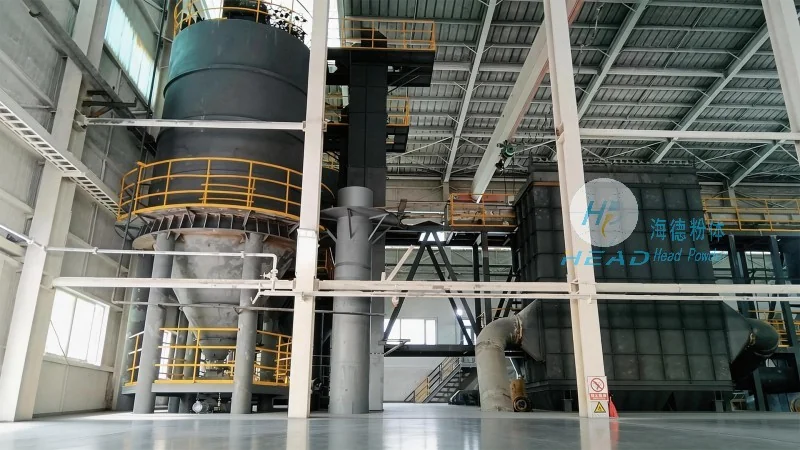
A pneumatic conveying system for sodium nitrate comprises several interdependent components that work together to facilitate material transport. The primary components include a bulk material hopper, which stores the sodium nitrate and regulates the flow rate through a rotary airlock valve. The hopper is typically constructed from corrosion-resistant materials, such as stainless steel, to prevent contamination and ensure durability. The rotary valve acts as a controlled gate, allowing precise dosing of the material into the conveying pipeline. The pipeline itself is designed with smooth, non-porous surfaces to minimize friction and prevent material buildup. A high-pressure fan or blower generates the necessary airflow, creating a pressure differential that propels the sodium nitrate particles through the system. The receiving hopper at the end of the pipeline collects the conveyed material, completing the transport cycle. Each component is engineered to handle the unique properties of sodium nitrate, such as its fine particle size (typically 100-200 microns) and tendency to generate dust, ensuring efficient and reliable operation.
Design Considerations for Optimal Performance
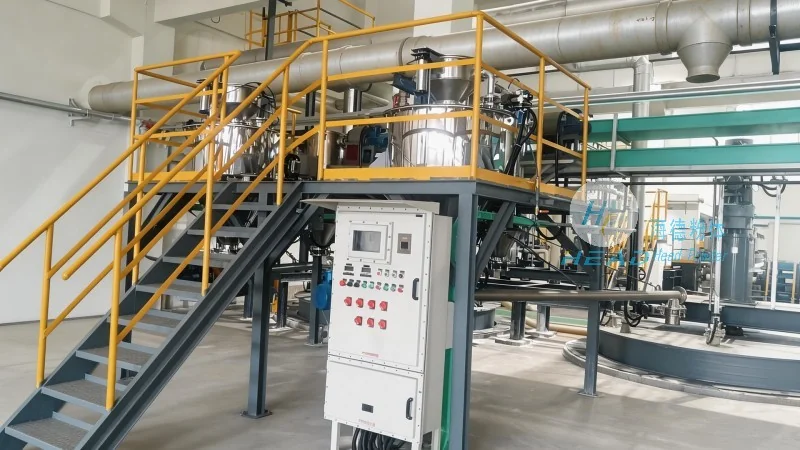
Designing an effective pneumatic conveying system for sodium nitrate involves careful consideration of several technical and operational factors. Particle size distribution and flowability are critical parameters that influence system design. Sodium nitrate particles are often fine and can agglomerate, which may affect conveying efficiency. Therefore, the system must be designed to break up agglomerates and maintain consistent particle size. The system’s pressure and velocity settings are optimized to prevent material degradation and ensure smooth transport. For example, higher velocities may be required for finer particles to prevent settling, while lower velocities may be used for larger particles to reduce energy consumption. The use of appropriate materials for components, such as food-grade stainless steel for contact surfaces, is essential to maintain product purity and comply with industry standards. Additionally, the system’s layout and pipeline configuration are designed to minimize pressure drop and ensure uniform flow, which enhances overall system efficiency.
Operational Benefits and Performance Metrics
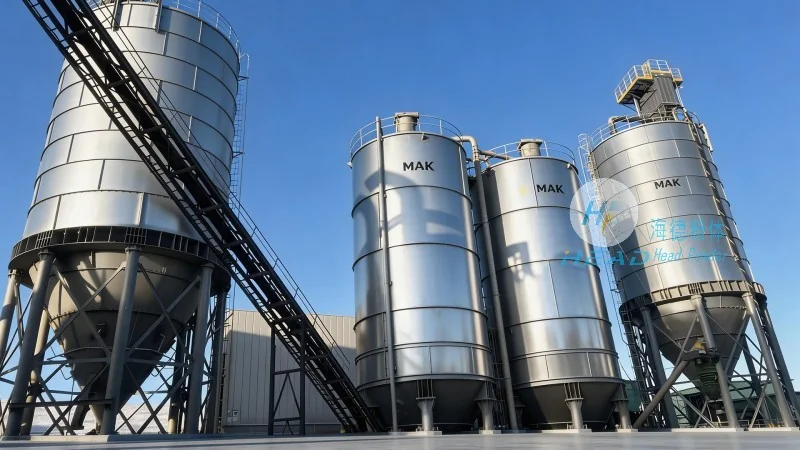
Implementing a pneumatic conveying system for sodium nitrate offers numerous operational benefits that enhance productivity and reduce costs. One of the primary advantages is the automation of material handling, which reduces labor costs and minimizes the risk of human error. The system also minimizes product loss and contamination, as the enclosed design prevents dust and moisture from entering or exiting the system. This is particularly important for sodium nitrate, which is sensitive to moisture and can degrade if exposed to air. Performance metrics, such as conveying capacity (measured in tons per hour), pressure drop (in Pascals), and system efficiency (expressed as a percentage of energy used to transport material), are key indicators of system effectiveness. A well-designed system can achieve high conveying rates while maintaining low energy consumption, contributing to significant cost savings over time. The system’s reliability and low maintenance requirements further enhance its appeal, as it requires minimal downtime for repairs or cleaning. These benefits make pneumatic conveying systems a preferred choice for industries handling sodium nitrate.




