Coal gangue lime, a byproduct of coal mining and processing, often requires efficient handling and transportation for industrial applications. Pneumatic conveying systems offer a reliable solution for transporting such powders over long distances or within complex industrial setups. This article introduces the concept of coal gangue lime pneumatic conveying and explains the fundamental working principles of powder handling systems designed for this purpose.
Understanding Coal Gangue Lime and Its Handling Needs
Coal gangue, also known as coal waste or mine rock, is the solid residue left after coal is extracted from the earth. When processed, it often contains lime, which is valuable for various industrial processes such as flue gas desulfurization, soil stabilization, and cement production. Handling this material efficiently is crucial to minimize environmental impact and optimize industrial operations. Traditional methods like bucket elevators or belt conveyors may struggle with the dusty, abrasive nature of coal gangue lime, making pneumatic conveying a preferred choice for many industries.
The Working Principle of Pneumatic Conveying Systems
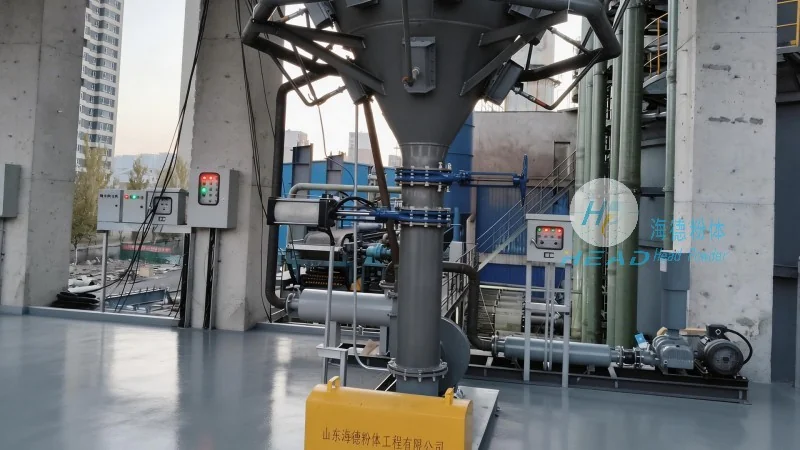
Pneumatic conveying systems use compressed air or gas to transport bulk materials like coal gangue lime through a pipeline network. The process typically involves a few key components: a hopper for material storage, a feeder to control the flow rate, a conveying line, and a receiver for the discharged material. The system operates by creating a pressure differential between the hopper and the receiver, where air is introduced to lift and move the powder particles along the pipeline.
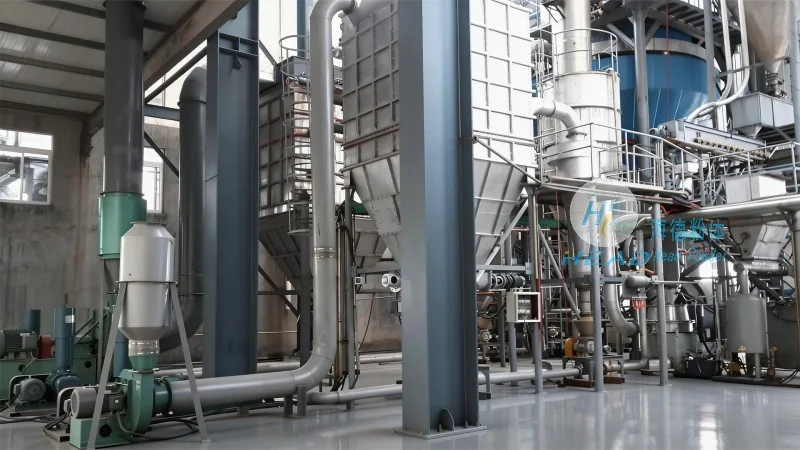
There are two main types of pneumatic conveying systems: dilute-phase and dense-phase. Dilute-phase systems operate at higher air velocities, allowing the material to be suspended in the air stream and transported at relatively high speeds. This method is suitable for short to medium distances and low to medium material loads. Dense-phase systems, on the other hand, use lower air velocities and higher material concentrations, resulting in a slower but more controlled transport. This approach is ideal for longer distances, sensitive materials, or when preventing product degradation is critical.
Key Components of a Coal Gangue Lime Pneumatic Conveying System
Each component of the system plays a vital role in ensuring efficient and reliable operation. The hopper, often equipped with a dust collection system, stores the coal gangue lime and provides a consistent feed to the feeder. The feeder, which can be a rotary valve or a screw feeder, regulates the material flow into the conveying line, preventing blockages and maintaining a steady pressure. The conveying line, made of corrosion-resistant materials like stainless steel or polyethylene, is designed to withstand the abrasive nature of the material and the pressure of the air stream. The receiver, typically a hopper or a silo, collects the discharged material and may include a dust extraction system to maintain air quality.
Advantages of Pneumatic Conveying for Coal Gangue Lime
Compared to traditional mechanical conveyors, pneumatic conveying offers several advantages for handling coal gangue lime. Firstly, it eliminates the need for moving parts in the conveying line, reducing maintenance costs and minimizing the risk of mechanical failure. Secondly, the system can handle materials with high moisture content or sticky properties, which may cause blockages in belt or bucket elevators. Thirdly, pneumatic conveying is flexible in terms of layout, allowing the system to be installed in complex industrial environments without the need for extensive structural modifications. Additionally, the enclosed pipeline design helps in controlling dust emissions, improving workplace safety and environmental compliance.
Applications of Coal Gangue Lime Pneumatic Conveying
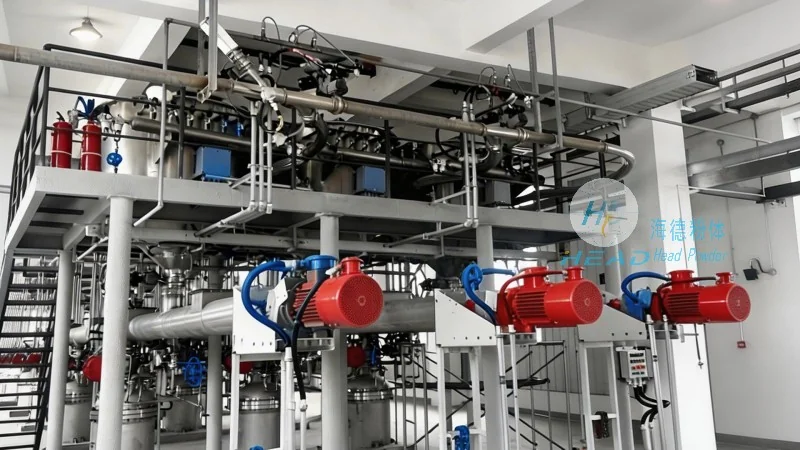
The versatility of pneumatic conveying systems makes them suitable for a wide range of applications involving coal gangue lime. In power plants, the material is often used for flue gas desulfurization, where it helps to neutralize acidic gases. In construction, it is used as a soil amendment or for cement production, improving the strength and durability of building materials. In mining operations, the system can transport the processed lime from the processing plant to storage facilities or to other processing units. The ability to transport the material over long distances without the need for intermediate storage or handling points makes pneumatic conveying an efficient solution for large-scale industrial operations.
Conclusion and Company Introduction
Coal gangue lime pneumatic conveying systems provide an efficient and reliable method for handling this important industrial material. By understanding the working principles and key components of such systems, industries can optimize their material transport processes, reduce costs, and improve operational efficiency. As a leading provider in the field, Shandong HeadPowder Engineering Co., Ltd. specializes in designing and manufacturing customized pneumatic conveying solutions tailored to the specific needs of coal gangue lime handling applications. With a focus on quality, reliability, and customer satisfaction, HeadPowder offers innovative solutions that meet the demands of modern industrial operations.




