Graphite is a widely used material in various industrial applications due to its excellent electrical and thermal conductivity, as well as its chemical resistance. The efficient handling and transportation of graphite powder or granules are crucial for maintaining production efficiency and product quality. Pneumatic conveying systems offer a reliable solution for this purpose, and this article provides an in-depth analysis of such systems designed for graphite material handling.
Introduction to Graphite Pneumatic Conveying
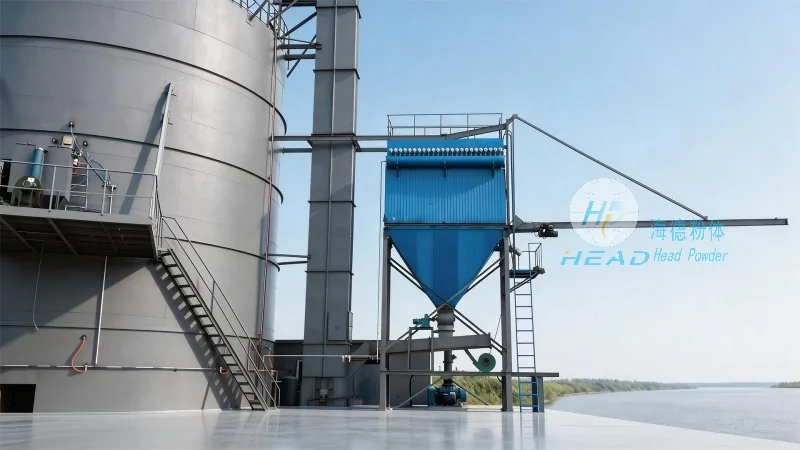
Pneumatic conveying systems utilize air or other gases to transport bulk materials like graphite through a pipeline network. This method is particularly advantageous for graphite because it minimizes product contamination, reduces dust exposure for operators, and allows for flexible system configurations. The core components of a typical graphite pneumatic conveying system include a material feed hopper, a conveyor line, a dust collector, and a control system. Each component plays a vital role in ensuring the system operates smoothly and safely.
Key Components of a Graphite Pneumatic Conveying System
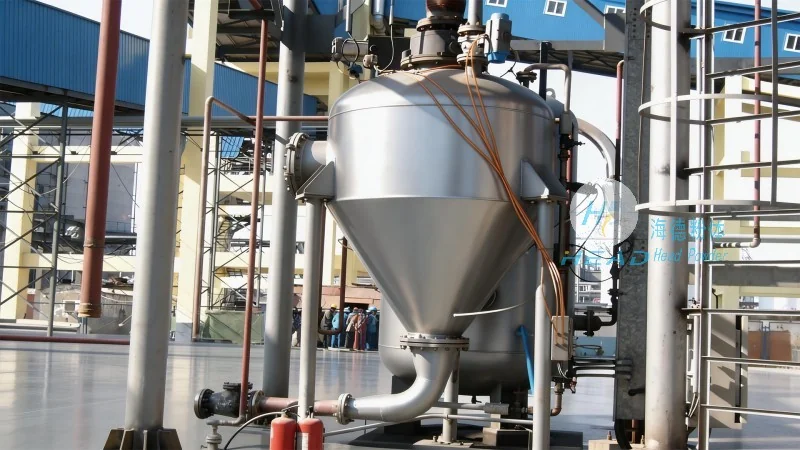
The performance of a graphite pneumatic conveying system heavily depends on its key components. The material feed hopper is designed to store and feed graphite into the system at a controlled rate. It often includes a rotary valve or a feeder to regulate the flow of material, preventing blockages and ensuring consistent feed. The conveyor line, typically made of stainless steel or other corrosion-resistant materials, transports the graphite through the system. The choice of material for the pipeline is critical to prevent contamination and ensure durability, especially when handling high-purity graphite. A dust collector is essential to capture any airborne particles and maintain a clean working environment. This component helps in complying with environmental regulations and protecting the health of workers. The control system manages the entire operation, including air pressure, material flow, and system safety features. It ensures that the system operates within optimal parameters and can be adjusted according to the specific requirements of the graphite being handled.
Advantages of Using Pneumatic Conveying for Graphite
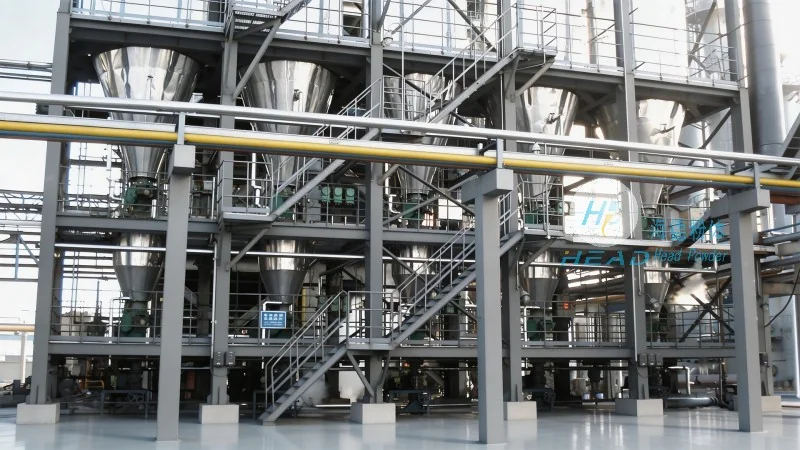
There are several advantages to employing pneumatic conveying systems for graphite material handling. Firstly, this method offers a clean and dust-free operation, which is crucial for maintaining the purity of graphite products. Unlike mechanical conveyors, which can cause particle breakage and contamination, pneumatic systems minimize these issues. Secondly, pneumatic conveying allows for flexible system layouts, enabling the integration of multiple feeding and discharge points. This flexibility is beneficial for complex production lines where graphite needs to be transported to different processing stages. Thirdly, the system can be easily scaled up or down to accommodate varying production volumes. This adaptability makes it suitable for both small-scale and large-scale industrial applications. Additionally, pneumatic conveying systems are generally more energy-efficient compared to other material handling methods, as they use compressed air to move the material rather than mechanical components that require continuous power input.
Application Examples in Industrial Settings
Graphite pneumatic conveying systems are widely used in various industries that rely on graphite as a raw material. In the battery manufacturing industry, these systems are used to transport graphite powder for the production of lithium-ion batteries. The high purity and consistent quality of the graphite are critical for battery performance, and pneumatic conveying ensures that the material is handled without contamination. In the refractory industry, graphite is used to make high-temperature refractory materials, and pneumatic conveying systems help in transporting the graphite to the mixing and molding processes. The ability to handle fine graphite particles efficiently is essential for achieving the desired properties of the refractory products. In the metallurgical industry, graphite is used as a reducing agent and a lubricant, and pneumatic conveying systems facilitate the transport of graphite to smelting furnaces and other processing equipment. The consistent flow and purity of the material are vital for maintaining the efficiency and quality of the metallurgical processes.
System Design Considerations for Optimal Performance
Designing an effective graphite pneumatic conveying system requires careful consideration of several factors. The first consideration is the material characteristics of the graphite, such as its particle size, density, and flowability. These properties affect the air velocity required to transport the material and the pressure drop along the pipeline. For example, fine graphite particles may require higher air velocities to prevent settling, while larger particles can be conveyed at lower velocities. The second consideration is the system layout, including the length and diameter of the conveyor line, the number of bends, and the elevation changes. The layout must be optimized to minimize pressure losses and ensure that the material reaches the discharge point without excessive energy consumption. The third consideration is the air supply system, which includes the compressor, air dryer, and filters. The air quality is critical, as any moisture or contaminants can affect the purity of the graphite. Therefore, a high-quality air dryer and filtration system are essential to maintain the integrity of the material. The fourth consideration is the system safety features, such as pressure relief valves and emergency shut-off mechanisms. These features protect the system from overpressure and ensure that the operation can be stopped quickly in case of an emergency.
Maintenance and Operational Tips for Longevity
To ensure the long-term performance and reliability of a graphite pneumatic conveying system, regular maintenance and proper operation are necessary. Regular inspection of the conveyor line and components is essential to detect any signs of wear or damage. This includes checking for corrosion, leaks, and blockages. The rotary valve and feeder should be cleaned regularly to prevent clogging and ensure consistent material flow. The dust collector should be emptied and cleaned periodically to maintain its efficiency. The air dryer and filters should be replaced or cleaned according to the manufacturer's recommendations to ensure that the air quality remains high. Operational tips include monitoring the system pressure and flow rates to ensure they are within the optimal range. Adjusting the air pressure or material feed rate as needed can help prevent system overload and improve efficiency. Additionally, training operators on the proper use and maintenance of the system is crucial for preventing accidents and ensuring that the system operates at its best.
Conclusion
In conclusion, graphite pneumatic conveying systems are an efficient and reliable solution for handling graphite materials in various industrial applications. These systems offer several advantages, including clean operation, flexibility, and energy efficiency. The key components, such as the feed hopper, conveyor line, dust collector, and control system, work together to ensure the smooth and safe transport of graphite. Proper system design, maintenance, and operation are essential to achieve optimal performance and longevity. As the demand for high-purity graphite continues to grow, the importance of efficient material handling systems like pneumatic conveying will only increase. Companies like Shandong HeadPowder Engineering Co., Ltd., based in China, specialize in designing and manufacturing such systems, providing customized solutions to meet the specific needs of their clients.




