Urea, a critical nitrogen fertilizer, is widely used in agricultural and industrial applications. The efficient and safe transportation of urea is essential for maintaining supply chain integrity and operational efficiency. This article provides an in-depth analysis of urea pneumatic conveying systems, exploring their design, functionality, and key benefits.
HeadPowder Engineering: A Leader in Pneumatic Conveying Solutions
HeadPowder, a leading engineering company based in Shandong, China, specializes in the design and manufacturing of advanced pneumatic conveying solutions. With years of experience in the field, HeadPowder has developed state-of-the-art systems tailored to the unique requirements of urea handling and transport. The company's commitment to innovation and quality has established it as a trusted partner for clients seeking reliable and efficient urea conveying systems.
How Urea Pneumatic Conveying Systems Work
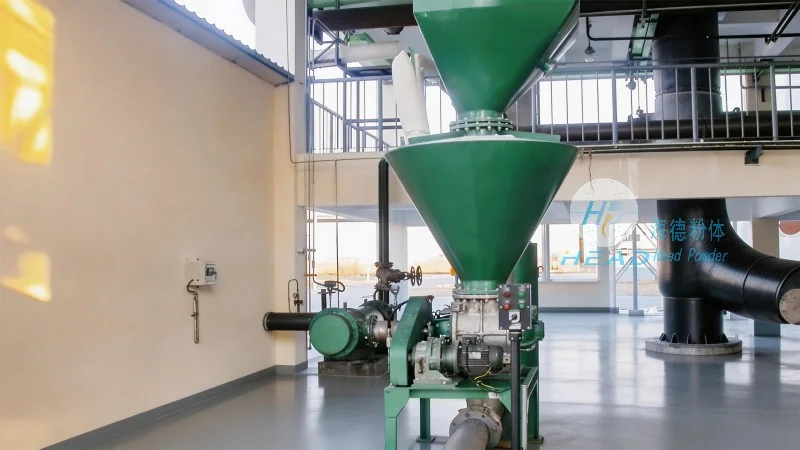
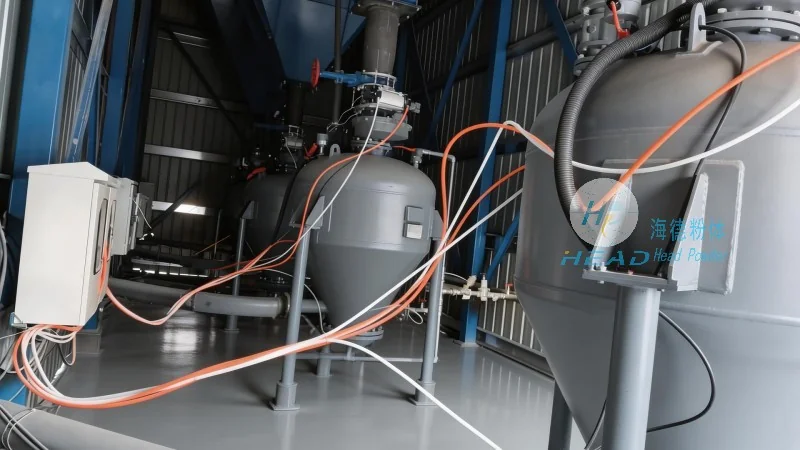
Pneumatic conveying systems utilize air or other gases to transport bulk materials like urea through pipelines. These systems typically operate under pressure, either positive or negative, depending on the specific application. The core components of a urea pneumatic conveying system include a hopper for material storage, a feeder to control the flow rate, a conveying line, and a receiver for the discharged material. The system may also incorporate additional features such as filters, cyclones, and pressure vessels to ensure optimal performance and safety.
Key Advantages of Urea Pneumatic Conveying
Efficiency and Cost-Effectiveness: Pneumatic conveying offers significant advantages over traditional methods like truck or rail transport. It reduces labor costs, minimizes material handling time, and lowers the risk of product degradation due to exposure to moisture or air. Additionally, the system can be integrated with existing infrastructure, making it a cost-effective solution for upgrading or expanding urea handling capabilities.
Safety and Environmental Benefits
Urea is a hygroscopic material, meaning it absorbs moisture from the air, which can lead to clumping and handling difficulties. Pneumatic conveying systems are designed to minimize exposure to ambient air, reducing the risk of caking and improving material flow. This not only enhances safety for operators but also contributes to a more environmentally friendly operation by reducing waste and spillage.
Customization and Scalability
HeadPowder understands that each urea handling facility has unique operational needs. Their pneumatic conveying systems are highly customizable, allowing for adjustments in conveying capacity, pressure, and material flow rate to match specific production requirements. Whether for small-scale agricultural applications or large industrial plants, HeadPowder's solutions can be scaled to meet the demands of any project.
Reliability and Maintenance
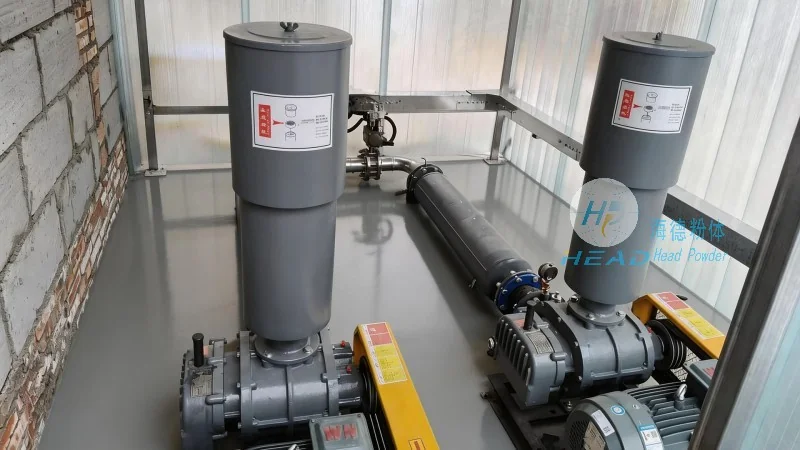
The robust design of HeadPowder's pneumatic conveying systems ensures long-term reliability and minimal downtime. High-quality materials and precision engineering reduce the risk of component failure, while regular maintenance programs help to extend the lifespan of the equipment. This reliability is crucial for maintaining consistent production schedules and avoiding costly interruptions in urea supply.
Conclusion
In conclusion, urea pneumatic conveying systems represent a sophisticated and efficient solution for the transportation of this vital fertilizer. By leveraging advanced engineering and tailored design, companies like HeadPowder are enabling clients to optimize their urea handling processes, enhance operational efficiency, and ensure the safe and reliable delivery of their products. With a focus on quality, customization, and sustainability, HeadPowder's systems are a testament to the power of pneumatic conveying technology in modern industrial applications.




