PTFE, or Polytetrafluoroethylene, is a highly versatile fluoropolymer known for its exceptional chemical resistance, thermal stability, and non-stick properties. When it comes to material handling equipment, PTFE-based solutions offer unique advantages that make them ideal for handling a wide range of challenging materials in industrial settings. This article explores the concept of PTFE material handling equipment and delves into the fundamental design principles that underpin its functionality and effectiveness, presented by Shandong HeadPowder Engineering Co., Ltd., a leading manufacturer of specialized material handling solutions in China.
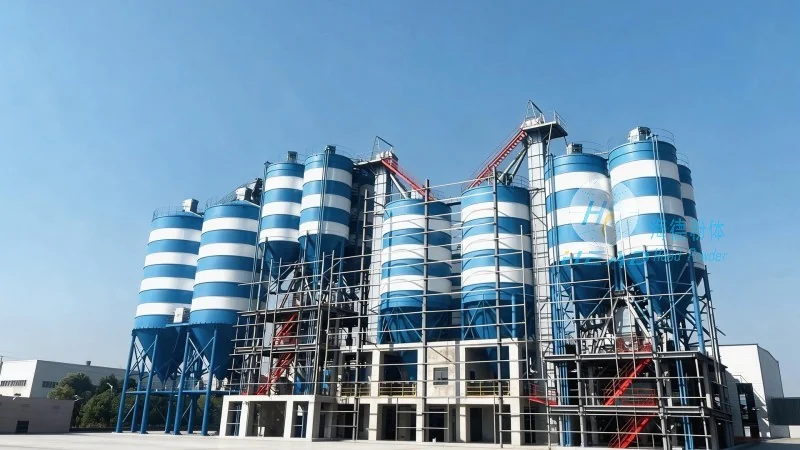
Introduction to PTFE Material Handling Equipment
PTFE material handling equipment encompasses a variety of devices and systems engineered to transport, store, and manage materials that are often difficult to handle with conventional equipment. These materials may include corrosive chemicals, high-temperature substances, or products that are prone to sticking or contamination. The core of PTFE's utility in this context lies in its ability to resist chemical attack, maintain structural integrity under extreme temperatures, and provide a smooth surface that minimizes friction and product degradation. As a result, PTFE equipment is widely used in industries such as chemical processing, pharmaceuticals, food and beverage, and semiconductor manufacturing, where precision and reliability are paramount.
Key Components and Design Considerations
The design of PTFE material handling equipment involves several critical components and considerations to ensure optimal performance. First, the material selection is paramount; PTFE is chosen for its inherent properties, but the equipment may also incorporate other fluoropolymers or metal alloys to enhance structural strength where necessary. For instance, some PTFE conveyor systems may use metal frames with PTFE-coated belts or rollers to combine the benefits of both materials. The design also focuses on minimizing stress points and ensuring smooth transitions between components to prevent material buildup or damage. Additionally, the equipment is engineered to withstand the mechanical stresses of continuous operation, including high loads and frequent start-stop cycles, without compromising its performance or lifespan.
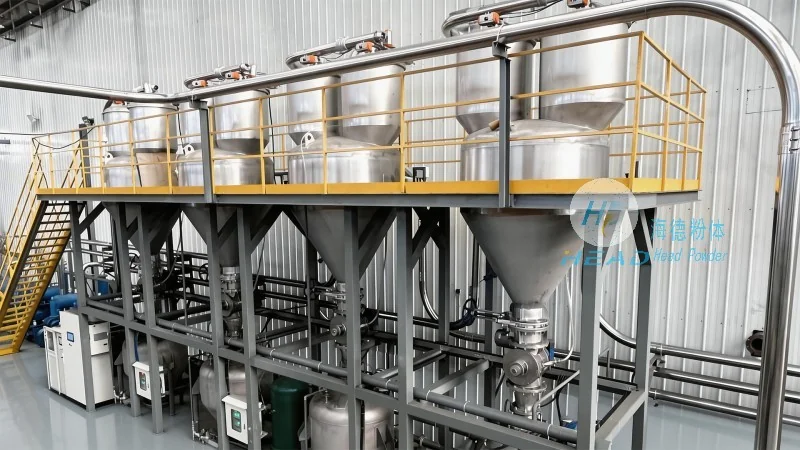
Design Principles for PTFE Material Handling Equipment
At the heart of PTFE material handling equipment are several key design principles that guide its development and operation. One of the most important principles is the principle of chemical inertness. Since PTFE is resistant to a wide range of acids, bases, and solvents, the equipment is designed to prevent chemical reactions that could degrade the material or contaminate the handled products. This is achieved through the use of PTFE linings, seals, and gaskets that create a barrier between the material being handled and any metal or other components that might be present. Another critical principle is thermal stability. PTFE can maintain its properties over a broad temperature range, typically from -200°C to +260°C, making it suitable for handling materials at extreme temperatures without losing its structural integrity or performance. The design also emphasizes the principle of low friction and non-stick surfaces. By providing a smooth, slippery surface, PTFE reduces the risk of material adhesion, which is particularly important for handling powders, granules, or other fine materials that could otherwise clog or degrade the equipment.
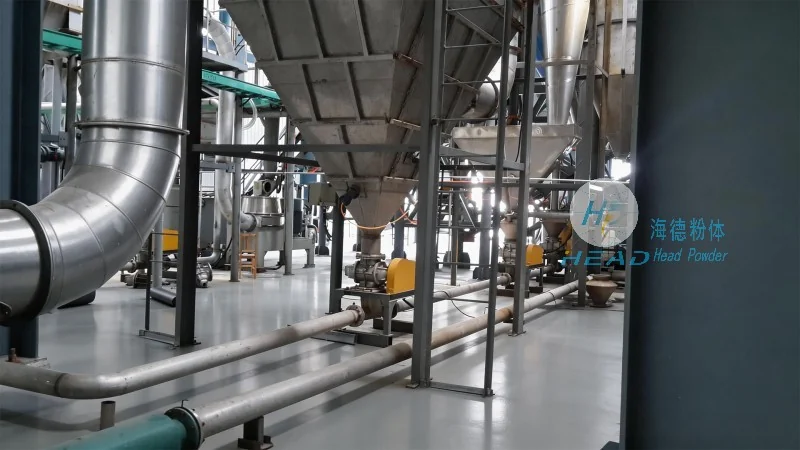
Applications and Benefits of PTFE Material Handling Equipment
PTFE material handling equipment finds applications in numerous industries due to its unique properties. In the chemical industry, it is used to transport corrosive liquids and solids, such as acids and solvents, without risk of contamination or equipment failure. In pharmaceutical manufacturing, PTFE equipment ensures that products remain free from contamination, as it is compatible with sterile processes and does not introduce any harmful residues. The food and beverage industry benefits from PTFE's non-stick and hygienic properties, making it suitable for handling food products, especially those that are sensitive to adhesion or contamination. Additionally, in the semiconductor industry, PTFE equipment is used to handle delicate materials that require a clean, contamination-free environment, as it does not release particles or chemicals that could affect the manufacturing process. The benefits of PTFE material handling equipment extend beyond its chemical and thermal resistance. It also offers long-term cost savings due to its durability and low maintenance requirements. Unlike traditional equipment that may require frequent replacements or repairs due to corrosion or wear, PTFE equipment can operate for extended periods with minimal maintenance, reducing downtime and operational costs.
Conclusion
PTFE material handling equipment represents a sophisticated solution for handling challenging materials in industrial settings. By leveraging the unique properties of PTFE, such as chemical resistance, thermal stability, and non-stick surfaces, these systems are designed to meet the demanding requirements of various industries. The design principles that guide their development focus on ensuring durability, efficiency, and safety, making them a reliable choice for material handling applications. As industries continue to seek more effective and sustainable solutions, PTFE material handling equipment remains a key component in modern manufacturing processes, offering a balance of performance, longevity, and cost-effectiveness.




