HeadPowder, a leading manufacturer based in Shandong, China, specializes in providing high-quality material handling solutions. This article delves into the concept of a weighing and feeding material conveying line, exploring its core functions and the fundamental design principles that underpin its operation.
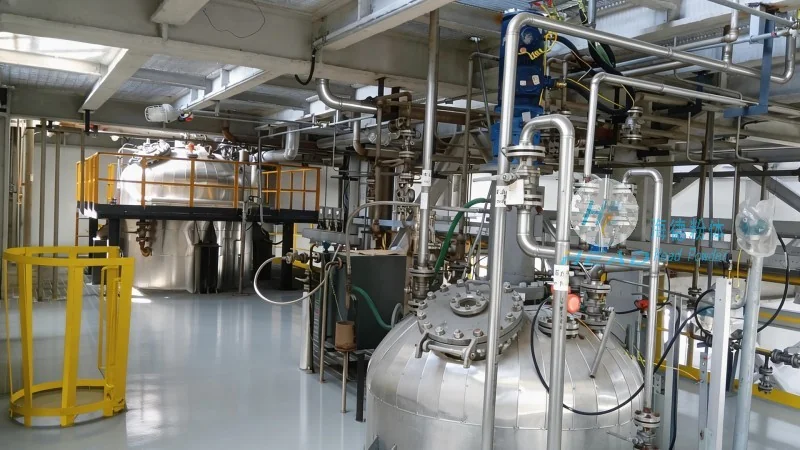
Understanding the Weighing and Feeding Material Conveying Line
A weighing and feeding material conveying line is a sophisticated industrial system designed to transport bulk materials while simultaneously measuring and controlling their flow rate. This integrated solution combines the capabilities of a conveyor system with precise weighing and feeding mechanisms, making it indispensable in various industries such as mining, cement production, chemical processing, and food manufacturing. The primary goal of this system is to ensure accurate material handling, optimize production efficiency, and maintain consistent product quality throughout the processing stages.
Key Components and Their Roles
The effective operation of a weighing and feeding material conveying line relies on several critical components, each playing a vital role in the overall process. These components include:
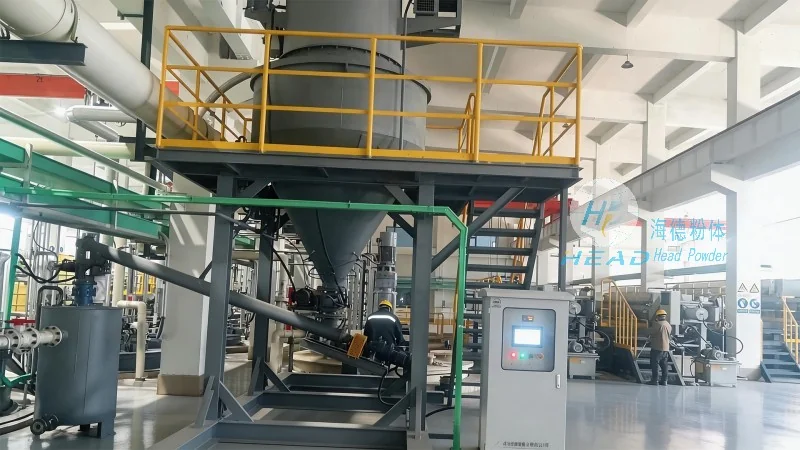
- Conveyor System: This forms the backbone of the material conveying line, responsible for transporting bulk materials from one location to another. Depending on the material type and application, different conveyor types may be employed, such as belt conveyors, screw conveyors, or bucket elevators. The conveyor ensures smooth and continuous material movement, minimizing downtime and ensuring a steady flow.
- Weighing Module: The weighing module is the heart of the system, responsible for accurately measuring the mass of the material being conveyed. This module typically consists of load cells, a digital scale, and a control unit. The load cells convert the weight of the material into an electrical signal, which is then processed by the control unit to provide real-time weight data. This data is crucial for monitoring the material flow rate and ensuring precise feeding control.
- Feeding Mechanism: The feeding mechanism regulates the discharge rate of the material from the conveyor into the next processing stage. This can include devices like rotary valves, gate valves, or adjustable speed drives. The feeding mechanism works in conjunction with the weighing module to maintain a consistent material flow rate, preventing overfeeding or underfeeding that could lead to process inefficiencies or product quality issues.
- Control System: A sophisticated control system manages the entire operation of the weighing and feeding material conveying line. This system integrates data from the weighing module and feeding mechanism, allowing for real-time adjustments to maintain the desired material flow rate. The control system may also include sensors for detecting material levels, alarms for abnormal conditions, and communication interfaces for integration with other production systems.
Design Principles for Optimal Performance
The design of a weighing and feeding material conveying line is guided by several key principles to ensure optimal performance, reliability, and efficiency. These principles include:
- Accuracy and Precision: The primary design principle is to achieve high accuracy and precision in weighing and feeding. This is achieved through the use of high-quality load cells, calibration procedures, and advanced control algorithms. Accurate measurement is essential for maintaining product consistency and meeting regulatory requirements.
- Reliability and Durability: The system must be designed to withstand harsh industrial environments, including exposure to dust, moisture, and abrasive materials. Components such as load cells, conveyor belts, and feeding mechanisms are constructed from durable materials and are designed for long-term operation with minimal maintenance.
- Integration and Automation: Modern weighing and feeding material conveying lines are designed for seamless integration with other production systems and automation technologies. This allows for centralized control, data logging, and remote monitoring, enhancing operational efficiency and reducing human error.
- Flexibility and Adaptability: The system should be flexible enough to handle a wide range of material types and sizes, and adaptable to changing production requirements. This can be achieved through modular design, adjustable conveyor speeds, and variable feeding mechanisms.
Applications and Benefits
Weighing and feeding material conveying lines are widely used in various industries due to their ability to provide accurate material handling and control. Some common applications include:
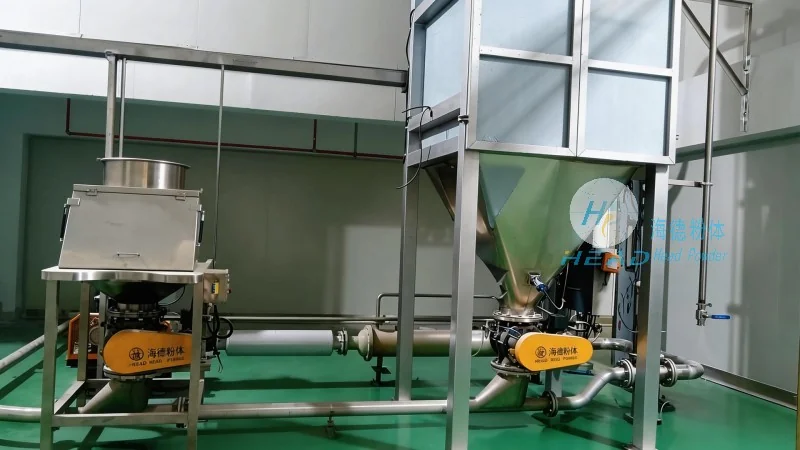
- Cement Production: In cement plants, these systems are used to feed raw materials and clinker into the kiln, ensuring precise control over the chemical composition of the final product.
- Mining and Mineral Processing: The system is used to transport and weigh ore and other minerals, facilitating efficient processing and quality control.
- Chemical Manufacturing: In chemical plants, the system helps in feeding raw materials into reactors and mixers, maintaining consistent chemical ratios and preventing over or under-dosing.
- Food and Beverage Industry: These systems are used to handle and feed ingredients such as grains, powders, and liquids, ensuring accurate portioning and product consistency.
The benefits of implementing a weighing and feeding material conveying line include improved production efficiency, reduced material waste, enhanced product quality, and lower operational costs. By ensuring precise material flow control, these systems help manufacturers achieve higher throughput and meet stringent quality standards.
Conclusion
A weighing and feeding material conveying line is a critical component in modern industrial operations, combining the functions of material transport, weighing, and feeding into a single, integrated system. The design principles and components of this system are carefully engineered to ensure accuracy, reliability, and efficiency, making it an essential tool for manufacturers across various industries. HeadPowder, with its expertise in material handling solutions, offers high-quality weighing and feeding material conveying lines that meet the diverse needs of its clients, helping them optimize their production processes and achieve their business objectives.




