Quartz sand pneumatic conveying systems are integral to many industrial processes, enabling the efficient transport of fine and abrasive materials like quartz sand. Understanding the components that make up such a system is crucial for optimizing performance, ensuring safety, and maintaining operational efficiency. This article explores the key elements that constitute a typical quartz sand pneumatic conveying setup, detailing each component's role and significance.
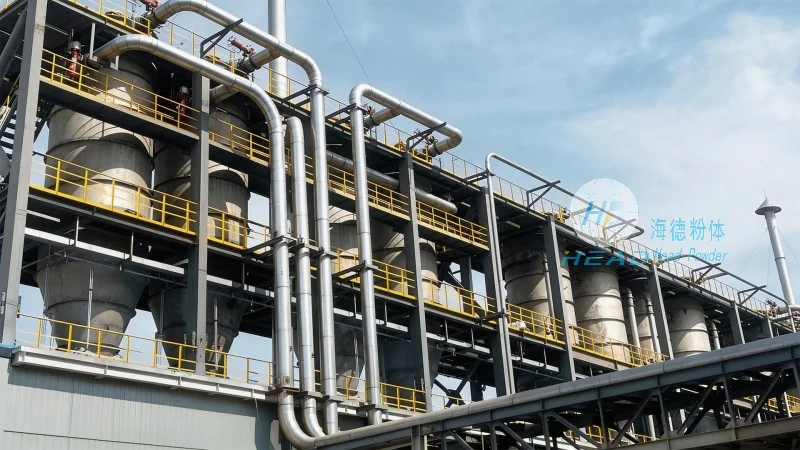
Key Components of the Pneumatic Conveying System
A quartz sand pneumatic conveying system typically consists of several interconnected components, each designed to perform a specific function in the material transport process. The primary components include the air source, conveying pipeline, separation equipment, control system, and feeding device. Each of these elements works in concert to facilitate the movement of quartz sand from the source to the destination.
The Air Source: Powering the Conveying Process
The air source is the heart of any pneumatic conveying system, providing the necessary pressure and volume of air to move the quartz sand particles. In most industrial applications, a high-pressure air compressor is used to generate the required air flow. This compressor can be a rotary screw or reciprocating type, depending on the system's capacity and pressure needs. The air source is responsible for creating the differential pressure that propels the quartz sand through the pipeline, ensuring consistent and reliable material transport.
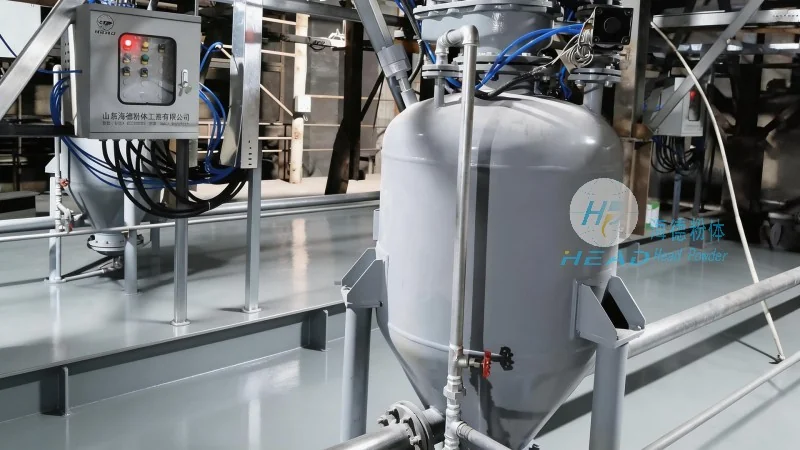
The Conveying Pipeline: The Path for Material Transport
The conveying pipeline is the main channel through which quartz sand travels from the feeding point to the discharge point. These pipelines are typically made of stainless steel or other corrosion-resistant materials to withstand the abrasive nature of quartz sand and the effects of compressed air. The design of the pipeline, including its diameter, length, and bends, is critical to maintaining the system's efficiency and preventing material buildup or blockages. Proper pipeline sizing and layout are essential to minimize pressure drop and ensure smooth material flow.
Separation Equipment: Managing Air and Particles
As quartz sand is conveyed through the pipeline, it is mixed with air. The separation equipment, often a cyclone or a baghouse filter, is responsible for separating the sand particles from the air stream. This step is vital for maintaining air quality, preventing dust contamination in the surrounding environment, and ensuring that the quartz sand is collected in a clean and dry state. The efficiency of the separation process directly impacts the overall performance and longevity of the conveying system.
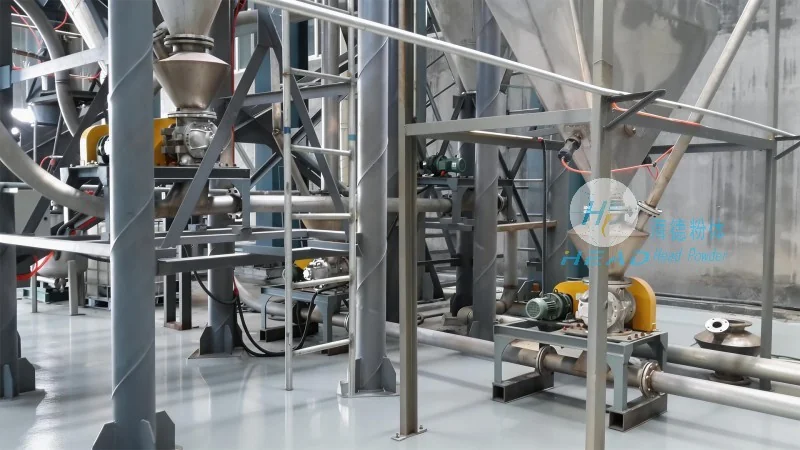
The Control System: Regulating and Monitoring Operations
The control system is the brain of the pneumatic conveying system, managing various aspects of the operation such as air pressure, flow rate, and material feed rate. It uses sensors and control valves to adjust the system's parameters in real-time, ensuring optimal performance under varying conditions. The control system also provides monitoring capabilities, allowing operators to track the system's status and detect any potential issues before they escalate into more significant problems. This level of automation enhances operational safety and reduces downtime.
The Feeding Device: Initiating Material Transport
The feeding device is responsible for introducing the quartz sand into the conveying pipeline at the correct rate and pressure. Common feeding devices include rotary valves, star feeders, or pressure vessels. These devices ensure that the sand is fed continuously and uniformly, preventing overloading or underloading of the system. The feeding device's design must be compatible with the characteristics of quartz sand, such as its particle size and density, to avoid clogging or material degradation.
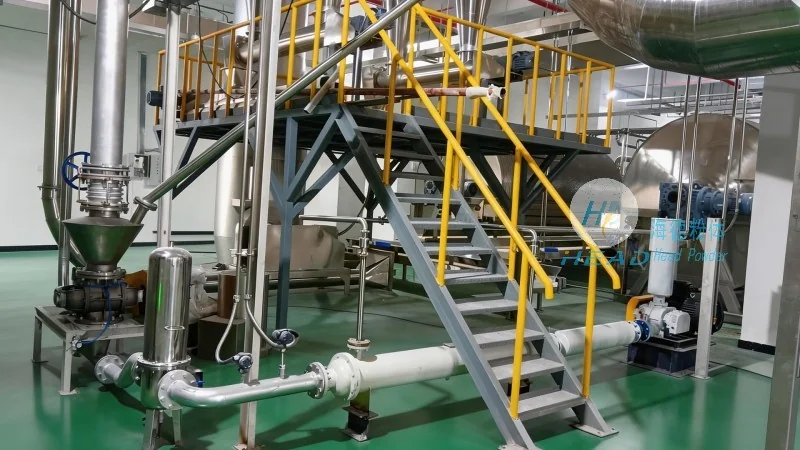
Application and Importance in Industrial Settings
Quartz sand pneumatic conveying systems are widely used in various industries, including construction, glass manufacturing, and foundries. The ability to transport quartz sand efficiently and safely makes these systems indispensable in applications where traditional methods like bucket elevators or belt conveyors are less suitable. By utilizing pneumatic conveying, industries can achieve higher throughput, reduce labor costs, and improve overall operational efficiency. The components discussed above work together to provide a reliable solution for handling quartz sand, meeting the demands of modern industrial processes.
About HeadPowder Engineering
HeadPowder Engineering, a leading provider of pneumatic conveying solutions, specializes in designing and manufacturing systems tailored to the needs of various industries. With a focus on quality and innovation, HeadPowder Engineering offers comprehensive solutions for quartz sand and other fine materials. The company, based in Shandong, China, combines years of experience with advanced technology to deliver reliable and efficient pneumatic conveying systems. HeadPowder Engineering's commitment to customer satisfaction and operational excellence makes it a trusted partner for businesses seeking to optimize their material handling processes.




