Understanding the components of pneumatic transport systems is crucial for optimizing the handling and delivery of calcium sulfate. This article, produced by Shandong HeadPowder Engineering Co., Ltd., explores the key elements that make up such systems, focusing on the specific requirements of calcium sulfate as a material.
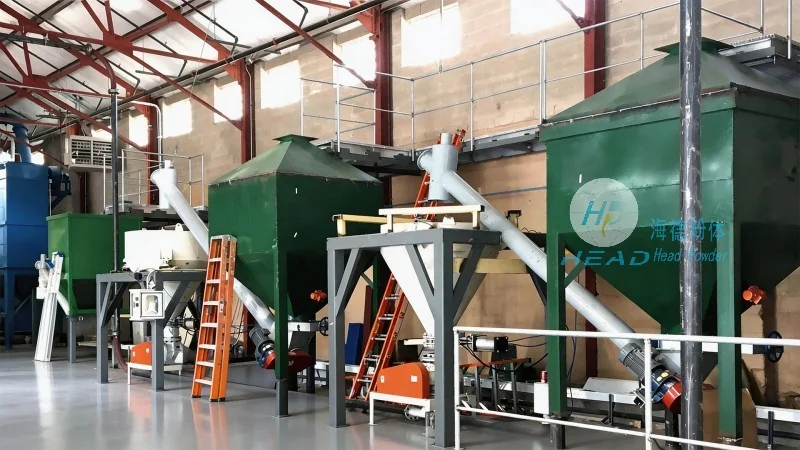
Introduction to Pneumatic Transport of Calcium Sulfate
Pneumatic transport, also known as pneumatic conveying, is a method used to move bulk materials through a pipeline using air or other gases. For calcium sulfate, which is often in powder or granular form, this technique offers advantages in terms of efficiency, cleanliness, and safety compared to traditional methods like belt conveyors or trucks. The effectiveness of the system depends heavily on the proper integration of several key components that work in tandem to ensure smooth operation.
Key Components Involved in Pneumatic Transport Systems
The pneumatic transport of calcium sulfate typically involves several essential components. The primary elements include a source of air or gas, a conveying pipeline, a material feed system, and a separation or collection unit. Each of these components plays a vital role in the overall transport process.
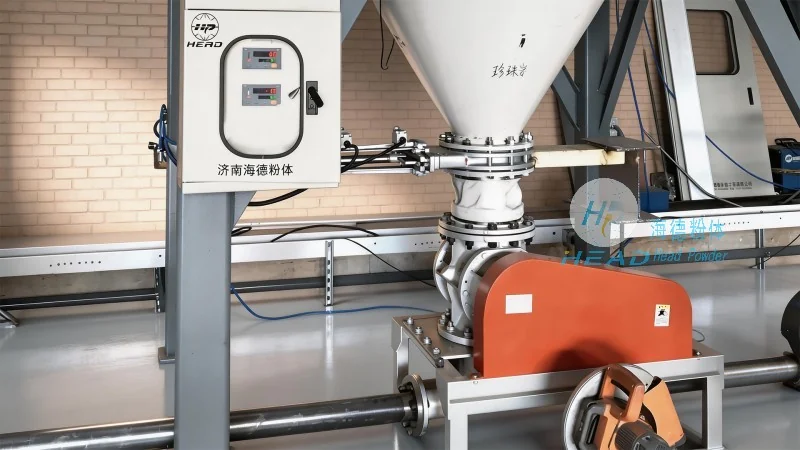
The Role of the Air/Gas Supply System
The air or gas supply system is the heart of the pneumatic transport system. It provides the necessary pressure and flow rate to move the calcium sulfate particles through the pipeline. This system usually consists of a blower or a compressor, which generates the required air volume and pressure. The choice of equipment depends on factors such as the material's properties, the distance to be conveyed, and the desired flow rate. For calcium sulfate, which can be fine and potentially abrasive, a high-efficiency blower or a positive displacement compressor is often recommended to maintain consistent performance and minimize wear.
Conveying Pipeline and Material Feed System
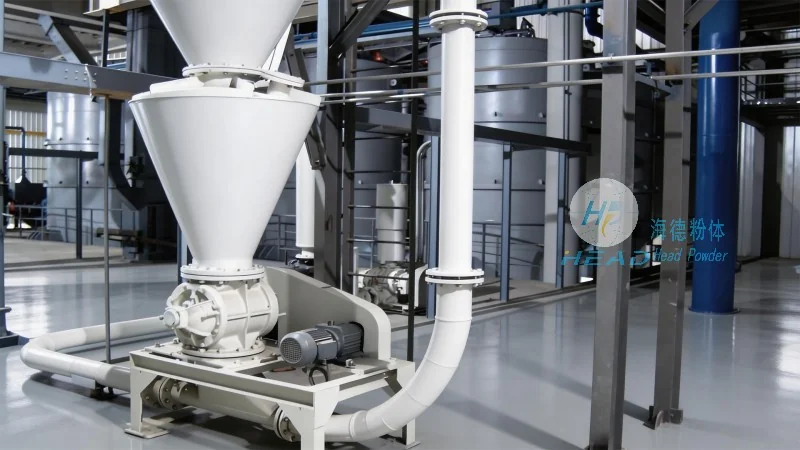
The conveying pipeline is where the material is actually transported. It is typically made of materials like stainless steel or PVC, chosen for their resistance to corrosion and wear from the calcium sulfate particles. The pipeline design, including its diameter and length, is critical. Larger diameters are generally used for higher flow rates and to reduce pressure drop, while shorter pipelines may require higher air pressure. The material feed system, often a hopper or a rotary valve, ensures that the calcium sulfate is introduced into the pipeline in a controlled manner, preventing blockages and maintaining a steady flow.
Separation and Collection Units
At the end of the transport line, separation and collection units are used to remove the calcium sulfate from the air stream and collect it in a storage or processing area. These units may include cyclones, bag filters, or electrostatic precipitators, depending on the system design and the required level of dust control. For calcium sulfate, which is often used in industrial applications like construction or agriculture, effective separation is essential to prevent product loss and maintain air quality.
System Design Considerations for Calcium Sulfate Transport
Designing a pneumatic transport system for calcium sulfate requires careful consideration of several factors. The material's density, particle size distribution, and flow characteristics must be analyzed to determine the appropriate air velocity and pressure. Additionally, the system must be designed to handle potential issues such as caking or agglomeration, which can affect the flow and increase wear on components. Proper maintenance and regular inspections are also crucial to ensure the system operates efficiently over time.
Practical Applications and Operational Tips
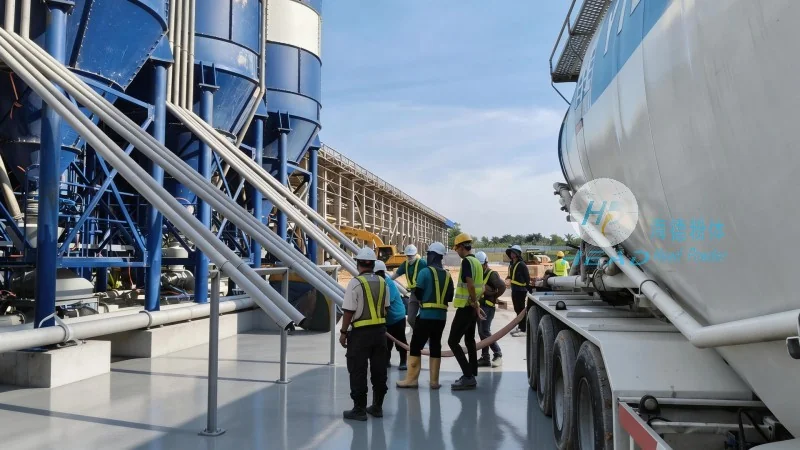
The pneumatic transport of calcium sulfate is widely used in various industries, including the production of gypsum products, agricultural applications, and industrial processing. In these applications, the system's performance can be optimized by adjusting parameters such as air pressure, feed rate, and pipeline layout. Regular cleaning of the pipeline and separation equipment is necessary to prevent buildup and maintain efficiency. Additionally, monitoring the system's pressure and flow rates can help identify potential issues before they lead to system failures.
Conclusion
In summary, the pneumatic transport of calcium sulfate involves a combination of specialized components working together to ensure efficient and reliable material handling. From the air supply system to the separation unit, each part plays a critical role in the overall process. By understanding these components and their functions, operators can optimize their systems for better performance and longer service life. For those involved in the handling of calcium sulfate, a well-designed pneumatic transport system is an essential tool for improving productivity and maintaining quality control.




