Welcome to Shandong HeadPowder Engineering Co., Ltd., a leading provider of advanced pneumatic conveying solutions for the pharmaceutical industry. Our company, commonly known as HeadPowder, specializes in designing and manufacturing systems that ensure the safe, efficient, and hygienic transport of powdered pharmaceutical materials. This article explores the key components that make up a typical powdered pharmaceutical pneumatic conveying system, highlighting the essential elements that contribute to its functionality and reliability.
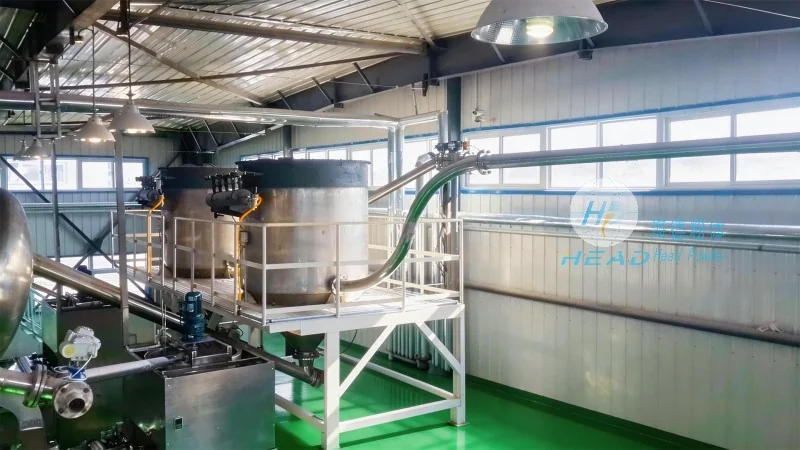
Core Components of Powdered Pharmaceutical Pneumatic Conveying Systems
A powdered pharmaceutical pneumatic conveying system is a complex yet integrated network of equipment designed to handle the unique challenges of transporting sensitive, often sterile, pharmaceutical powders. The system's effectiveness relies on several critical components, each playing a vital role in the overall process. These components are engineered to meet stringent industry standards, ensuring product integrity, operational safety, and regulatory compliance.
Pneumatic Conveying Lines and Tubing
The foundation of any pneumatic conveying system is the conveying line, which can be made from various materials depending on the application. For pharmaceutical applications, stainless steel is the preferred choice due to its corrosion resistance, ease of cleaning, and ability to maintain a sterile environment. The tubing is typically smooth-walled and often equipped with internal linings or coatings to prevent powder buildup and ensure consistent flow. The line may include elbows, tees, and other fittings that direct the powder and air mixture through the system. Proper sizing and material selection are crucial to minimize pressure drop and prevent material degradation or contamination.
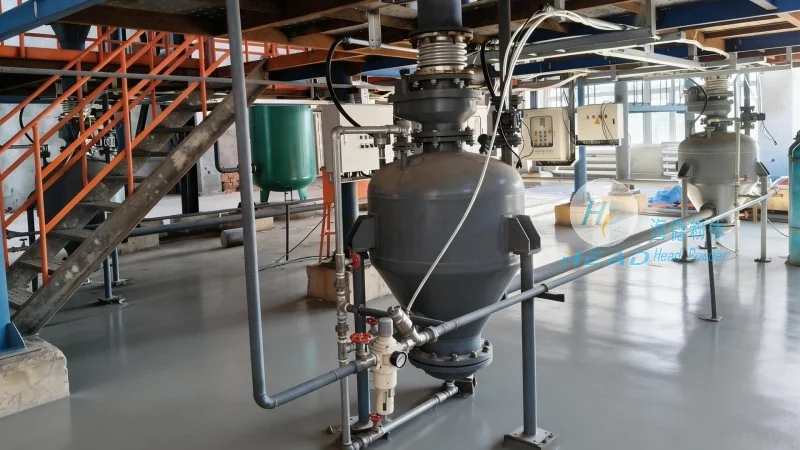
Feeding and Metering Equipment
The feeding and metering equipment is responsible for introducing the powdered pharmaceutical material into the conveying line at a controlled rate. This component is critical for maintaining a consistent flow and preventing blockages or uneven distribution. Common feeding devices include rotary valves, star feeders, and screw feeders, which are designed to handle powders with varying flow properties. For pharmaceutical applications, these devices are often equipped with sanitary designs, such as CIP (Clean-In-Place) capabilities, to ensure thorough cleaning and prevent cross-contamination. The metering system ensures that the correct amount of material is fed into the system, which is essential for process control and product quality.
Air Supply and Compressors
The air supply system provides the necessary pressure and volume of air to move the powder through the conveying line. Compressors, such as rotary lobe or centrifugal types, generate the required airflow and pressure. For pharmaceutical applications, compressors are often equipped with air filtration and drying systems to remove moisture and contaminants from the air. This is critical because moisture can cause powder caking or degradation, while contaminants can compromise product purity. The air system may also include pressure regulators and flow meters to monitor and control the air supply, ensuring stable operation and preventing over-pressurization.
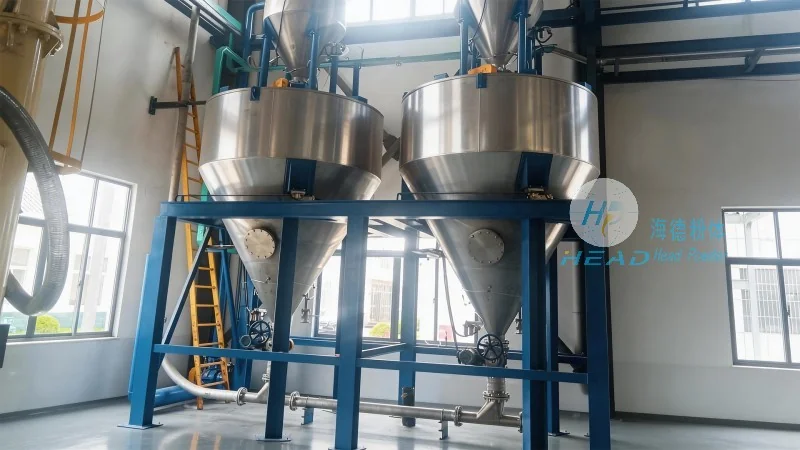
Pneumatic Conveying Nozzles and Discharge Equipment
The discharge equipment is responsible for delivering the powdered pharmaceutical material from the conveying line to its final destination, such as a storage silo, mixing tank, or packaging machine. This component must be designed to handle the specific characteristics of the powder, including its flowability and potential for bridging or caking. Common discharge devices include rotary airlocks, bagging machines, and silo discharge valves. These devices are often equipped with sanitary features and CIP capabilities to ensure they can be cleaned and sanitized easily. The nozzles and discharge points are typically designed to minimize product loss and prevent contamination from the environment.
Separation and Collection Systems
After the powder is discharged, the air-powder mixture needs to be separated to recover the powder and return the air to the system or exhaust it. The separation system typically includes a cyclone separator or a bag filter, which separates the powder from the air. The cyclone uses centrifugal force to separate the heavier powder particles from the lighter air, while the bag filter uses fabric bags to trap the powder particles. The separated powder is collected in a hopper or container, and the clean air is either recirculated or exhausted. The separation system is critical for maintaining the efficiency of the conveying process and preventing product loss or contamination.
Control and Monitoring Systems
The control and monitoring systems are essential for managing the operation of the pneumatic conveying system. These systems typically include sensors, controllers, and indicators that monitor parameters such as pressure, flow rate, temperature, and level. The control system can be manual or automated, depending on the application. Automated systems use programmable logic controllers (PLCs) or other software to regulate the operation of the equipment, ensuring that the system runs efficiently and safely. The monitoring system provides real-time data on the system's performance, allowing operators to detect and address issues before they become major problems. This helps to ensure consistent product quality and minimize downtime.
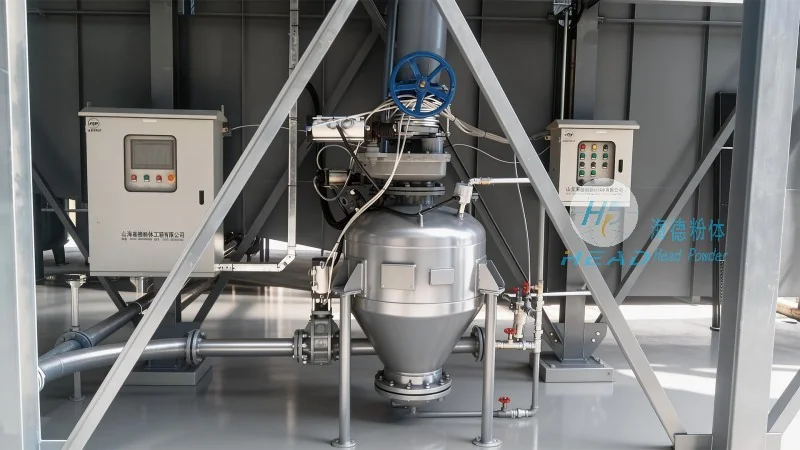
Sanitary and Safety Features
For pharmaceutical applications, the pneumatic conveying system must incorporate numerous sanitary and safety features to meet regulatory requirements. These features include CIP and SIP (Sterilize-In-Place) capabilities, which allow the system to be cleaned and sterilized without disassembly. The system may also include explosion-proof components, such as spark-proof motors and pressure relief valves, to prevent the risk of fire or explosion. Additionally, the system is designed to be fully enclosed and sealed to prevent contamination from the environment and to maintain a sterile environment. The components are often made from food-grade or pharmaceutical-grade materials to ensure that they do not introduce any contaminants into the product.
At Shandong HeadPowder Engineering Co., Ltd., we understand the importance of each component in a powdered pharmaceutical pneumatic conveying system. Our team of experts designs and manufactures systems that incorporate all of these essential components, ensuring that our clients receive a reliable, efficient, and safe solution for their material handling needs. Whether you are transporting active pharmaceutical ingredients (APIs), excipients, or finished products, our systems are engineered to meet the highest standards of quality and performance. Contact us today to learn more about our pneumatic conveying solutions and how we can help you optimize your pharmaceutical material handling processes.




