Understanding the components of a coal powder pneumatic conveying system is crucial for optimizing material handling efficiency and ensuring reliable operation in industrial applications. The system's design and integration of key components directly impact its performance, safety, and longevity. By examining each element that constitutes such a system, users can gain a comprehensive view of how these technologies work together to transport coal powder effectively.
Key Components of a Coal Powder Pneumatic Conveying System
The core components of a coal powder pneumatic conveying system typically include several essential elements that work in concert to move material from a source to a destination. These components are engineered to handle the unique properties of coal powder, such as its fine particle size, dustiness, and potential for static electricity. The primary components usually consist of a material feed device, a conveying line, a dust collection system, and a control unit. Each of these elements plays a vital role in the overall functionality of the system.
Material Feed Device
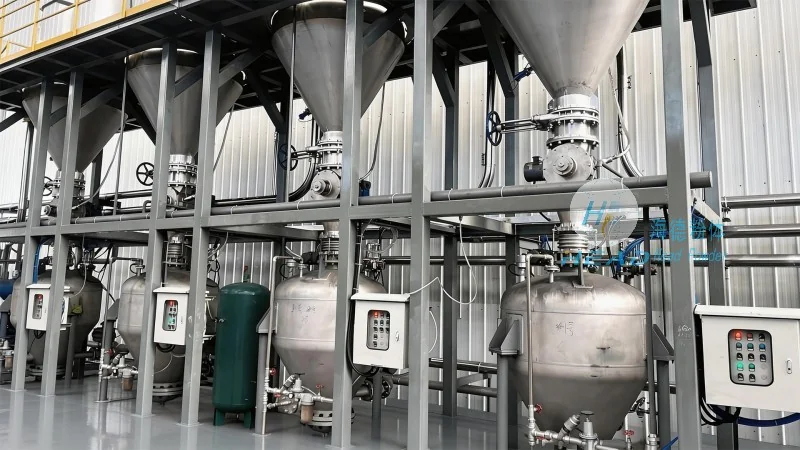
The material feed device is the initial component that introduces coal powder into the conveying system. This device is designed to handle the bulk material and feed it into the conveying line at a controlled rate. Common types of feed devices include rotary valves, star feeders, and screw feeders. The choice of feed device depends on factors like the material's flowability, bulk density, and the required feeding rate. For coal powder, which can be cohesive or have a tendency to form arches, a rotary valve or a star feeder is often preferred as they can break up lumps and ensure a consistent feed. The feed device is typically equipped with a hopper that stores the coal powder and a gate valve to regulate the flow. This component ensures that the material is introduced smoothly into the system, preventing blockages and maintaining a steady flow rate.
Conveying Line
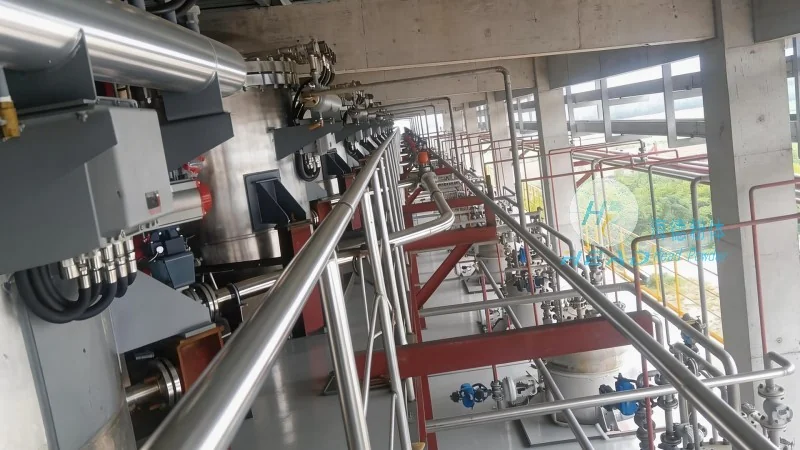
The conveying line is the central part of the system that transports the coal powder from the feed point to the discharge point. It can be either a positive pressure or negative pressure system, depending on the application and the distance to be covered. Positive pressure systems use a blower or a positive displacement pump to push the material through the line, while negative pressure systems use a vacuum pump to pull the material. The line itself is usually made of metal, such as stainless steel or carbon steel, to withstand the abrasive nature of coal powder and resist corrosion. The diameter of the line is determined by the material's flow rate and particle size, with larger diameters required for higher flow rates. The line may also include bends, elbows, and tees to direct the material to the desired location. To prevent material buildup and ensure smooth flow, the line is often equipped with cleaning devices like vibrators or air knives.
Dust Collection System
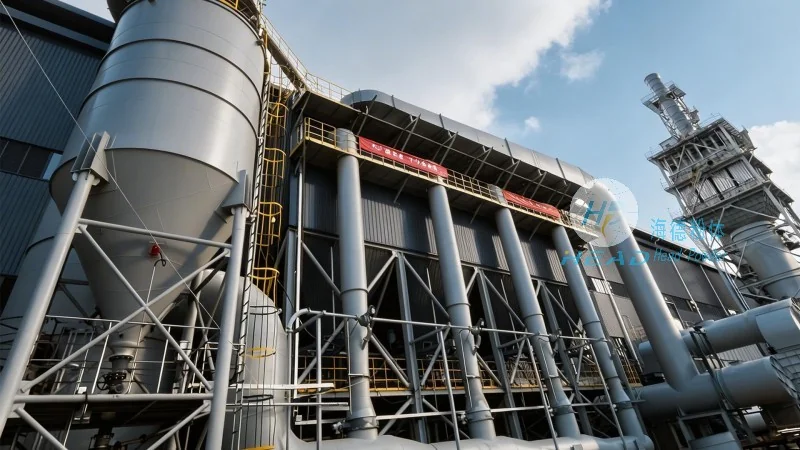
A critical component for maintaining safety and environmental compliance is the dust collection system. Coal powder is a fine, powdery material that can easily become airborne, posing a respiratory hazard and contributing to air pollution. The dust collection system, often a baghouse or an electrostatic precipitator, captures the dust particles from the conveying line and exhaust air. The collected dust is then returned to the system or disposed of properly. This system not only protects workers from dust exposure but also helps to meet regulatory requirements for air quality. The design of the dust collection system is tailored to the specific characteristics of coal powder, such as its particle size distribution and moisture content, to ensure efficient filtration and minimal pressure drop.
Control Unit
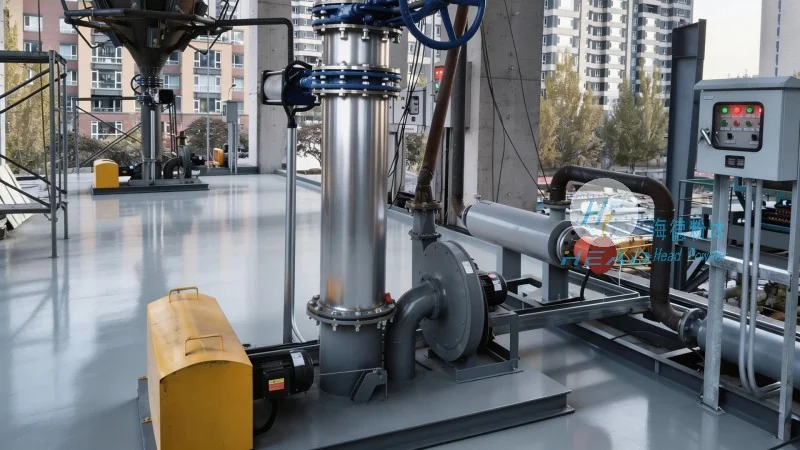
The control unit is the brain of the pneumatic conveying system, responsible for monitoring and regulating the operation of all components. It typically includes sensors, controllers, and a user interface to allow operators to adjust parameters like flow rate, pressure, and feed speed. The control unit can be a simple manual system or a sophisticated automated system with programmable logic controllers (PLCs). In modern systems, the control unit may also integrate with other industrial systems, such as a plant's process control system, to provide real-time data and optimize performance. The control unit ensures that the system operates within safe and efficient parameters, preventing overpressure, underflow, or other malfunctions. It also provides alerts and alarms for any issues that may arise, allowing for timely maintenance and troubleshooting.
Additional Components and Considerations
Beyond the primary components, a coal powder pneumatic conveying system may include additional elements to enhance its performance and reliability. These can include a silencer to reduce noise levels, a filter to remove moisture from the air, and a static eliminator to prevent static buildup in the system. The choice of these additional components depends on the specific application and the operating environment. For example, in a high-temperature environment, a heat-resistant material may be used for the conveying line, while in a humid environment, a moisture-resistant filter may be required. The system's design also considers factors like the material's particle size distribution, bulk density, and flowability, as these properties can affect the system's efficiency and performance. Proper maintenance of all components is essential to ensure the system operates at peak efficiency and to extend its service life.




