When discussing the pneumatic conveying of coal ash, it's essential to understand the key components that make up this industrial process. The system typically involves several critical elements, each playing a vital role in the efficient and safe transport of coal ash from its source to the desired destination. These components work in synergy to ensure optimal performance, reliability, and compliance with industry standards.
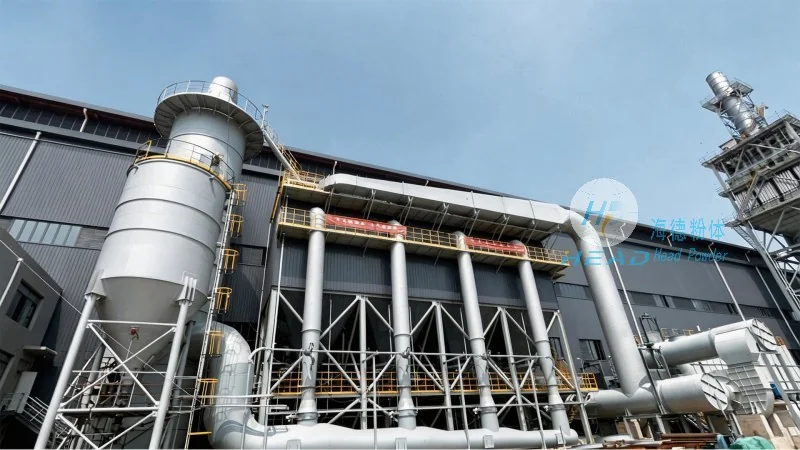
Core Components of the Pneumatic Coal Ash Conveying System
The primary components of a pneumatic coal ash conveying system include the ash feed system, the conveying pipeline, the air supply system, and the dust collection and control equipment. Each of these elements is designed to handle specific functions within the overall operation.
The Ash Feed System
The ash feed system is responsible for introducing coal ash into the conveying pipeline. This component can vary depending on the source and characteristics of the ash. Common feed mechanisms include screw conveyors, rotary valves, or pneumatic feeders. These devices ensure a consistent and controlled flow of ash into the system, preventing blockages and maintaining uniform material transport. The design of the feed system is critical as it directly impacts the efficiency of the entire conveying process. For instance, a properly sized and maintained screw conveyor can handle different ash particle sizes and moisture levels, ensuring smooth operation.
The Conveying Pipeline
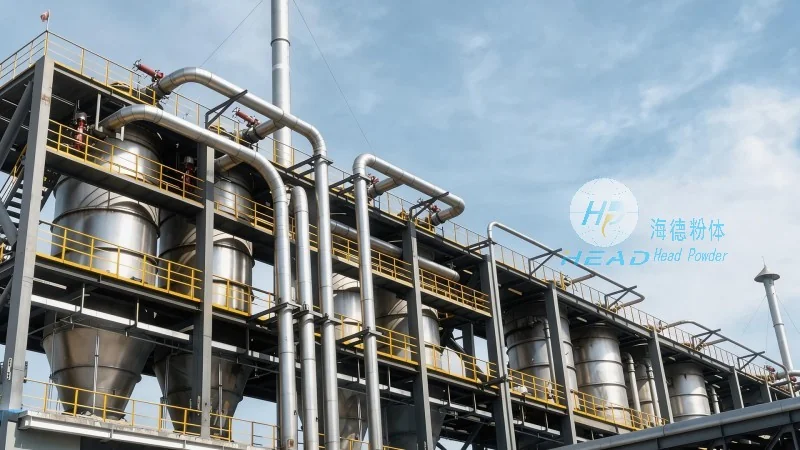
The conveying pipeline is the main channel through which coal ash is transported. It is typically made of materials such as stainless steel, carbon steel, or plastic, depending on the corrosive properties of the ash and the operating conditions. The pipeline is designed to withstand the pressure and temperature variations during operation. The length and diameter of the pipeline are also crucial factors, as they affect the air velocity required for effective transport. Properly sized pipelines minimize energy consumption and prevent material degradation or blockages. Additionally, the pipeline may include bends, elbows, or expansion joints to accommodate changes in direction or elevation, ensuring the smooth flow of ash throughout the system.
The Air Supply System
The air supply system provides the necessary pressure and volume of air to move the coal ash through the pipeline. This system typically consists of a blower or a compressor, along with air treatment equipment such as filters and dryers. The blower or compressor generates the required air pressure, which is then directed into the pipeline to create a flow of air carrying the ash particles. The air treatment equipment ensures that the air used is clean and free from contaminants, preventing damage to the pipeline and equipment. The selection of the air supply system depends on the specific requirements of the conveying process, including the distance, height, and material characteristics. A well-designed air supply system can significantly improve the efficiency and reliability of the pneumatic conveying operation.
Dust Collection and Control Equipment
Due to the nature of coal ash, dust generation is a common issue during the conveying process. Therefore, dust collection and control equipment are essential components to maintain a safe and clean working environment. This equipment typically includes cyclones, baghouses, or electrostatic precipitators, which capture and remove airborne ash particles from the exhaust air. The collected ash is then returned to the system or disposed of according to regulations. Proper dust control not only protects workers and the environment but also prevents equipment damage caused by dust accumulation. The design and maintenance of dust collection systems are critical to ensure their effectiveness and longevity.
Control and Monitoring Systems
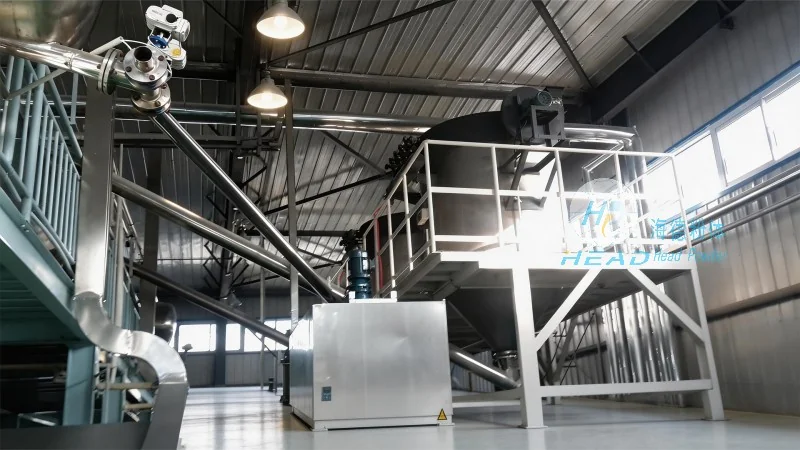
Modern pneumatic coal ash conveying systems often incorporate control and monitoring systems to enhance operational efficiency and safety. These systems may include sensors, controllers, and automation equipment that monitor parameters such as pressure, flow rate, and temperature. The control system can adjust the air supply and feed rates in real-time based on the system's performance, optimizing energy usage and preventing overloading. Additionally, monitoring systems provide alerts for any abnormalities or potential issues, allowing for timely maintenance and reducing downtime. The integration of control and monitoring technology has become increasingly important in industrial applications, as it enables more precise and reliable operation of the conveying process.
Supporting Components and Accessories
Beyond the core components, several supporting elements are necessary for the proper functioning of the pneumatic coal ash conveying system. These include valves, check valves, and isolation devices, which control the flow of ash and air within the pipeline. Valves are used to start, stop, or regulate the flow, while check valves prevent backflow, ensuring the direction of transport remains consistent. Isolation devices, such as gate valves or ball valves, allow for the maintenance or cleaning of specific sections of the pipeline without disrupting the entire system. Additionally, the system may include cleaning equipment, such as air cannons or brushes, to remove ash buildup from the pipeline interior. These accessories are essential for maintaining the efficiency and longevity of the conveying system, as they prevent blockages and reduce maintenance costs.
Company Information: Shandong HeadPowder Engineering Co., Ltd.
Shandong HeadPowder Engineering Co., Ltd., commonly known as HeadPowder, is a leading provider of industrial solutions for the handling and conveying of coal ash. With a focus on innovation and quality, the company specializes in designing and manufacturing customized pneumatic conveying systems tailored to the specific needs of its clients. HeadPowder's expertise lies in understanding the unique challenges of coal ash transport and developing effective solutions that enhance operational efficiency and safety. The company's facilities are located in Shandong, China, where it leverages advanced technology and experienced engineering teams to deliver high-performance equipment and services. By combining years of industry experience with cutting-edge technology, HeadPowder ensures that its customers receive reliable and efficient solutions for their coal ash conveying needs.




