PTFE (Polytetrafluoroethylene) is widely recognized for its exceptional chemical resistance, thermal stability, and low friction properties, making it an ideal material for pneumatic conveying applications. The structures of PTFE pneumatic conveying systems are designed to leverage these advantages while ensuring efficient material transport. This article outlines the main structural components that constitute such systems, focusing on their design and functional roles.
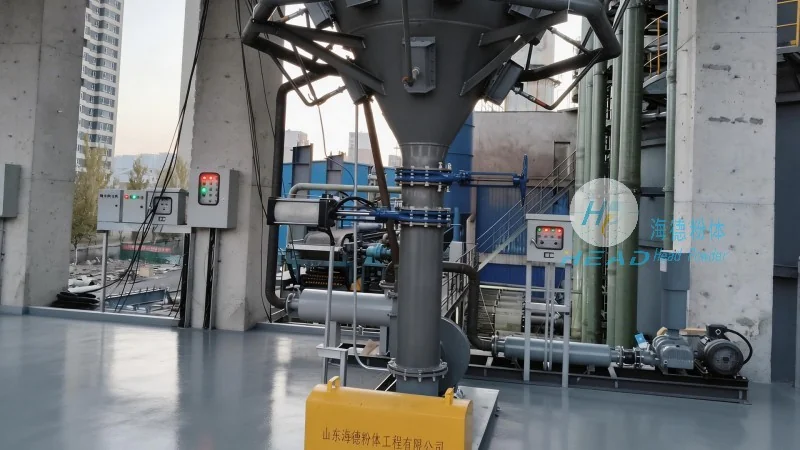
1. PTFE Lined Conveying Pipes
The core component of any PTFE pneumatic conveying system is the conveying pipe, which is typically lined with PTFE to prevent material degradation and equipment corrosion. These pipes are engineered to handle a wide range of materials, from powders to granules, and are available in various diameters to suit different flow rates and system requirements. The PTFE lining provides a non-stick surface that minimizes material buildup and facilitates smooth material movement. The pipe design may include bends, elbows, and straight sections, all of which are manufactured with precision to maintain consistent airflow and pressure.
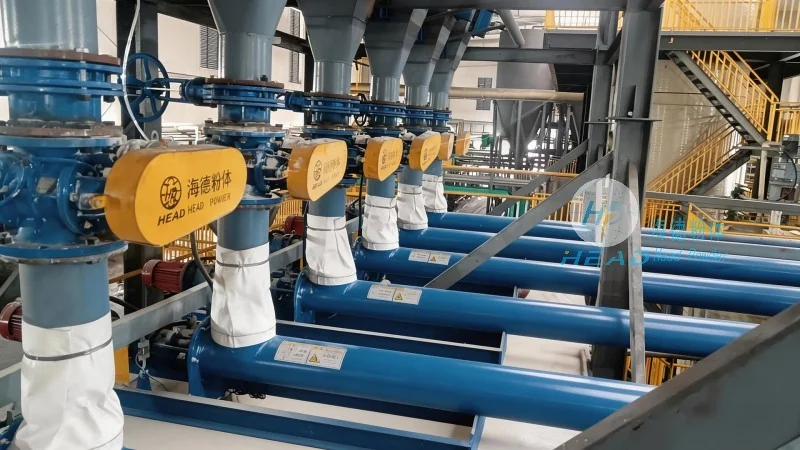
2. PTFE Material Handling Valves
Valves are critical components in PTFE pneumatic conveying systems, controlling the flow of material and air. PTFE material handling valves are designed to withstand the abrasive nature of many materials and the corrosive effects of certain chemicals. These valves can be categorized into several types, including rotary valves, slide valves, and gate valves, each serving specific functions such as feeding, diverting, or closing the system. The PTFE construction ensures that the valves remain functional over long periods without requiring frequent maintenance, as the material is resistant to wear and chemical attack.
3. PTFE Filter and Dust Collection Systems
Efficient filtration is essential in pneumatic conveying to prevent dust and particulate matter from escaping into the environment and to protect downstream equipment. PTFE filter systems are commonly used due to their high filtration efficiency and resistance to chemical exposure. These systems typically consist of filter bags or cartridges lined with PTFE, which can capture fine particles while allowing air to pass through. The filter design is optimized to minimize pressure drop and ensure consistent performance, even with high-volume material flow. Regular maintenance of the filter is necessary to maintain its effectiveness, but the PTFE material ensures durability and longevity.
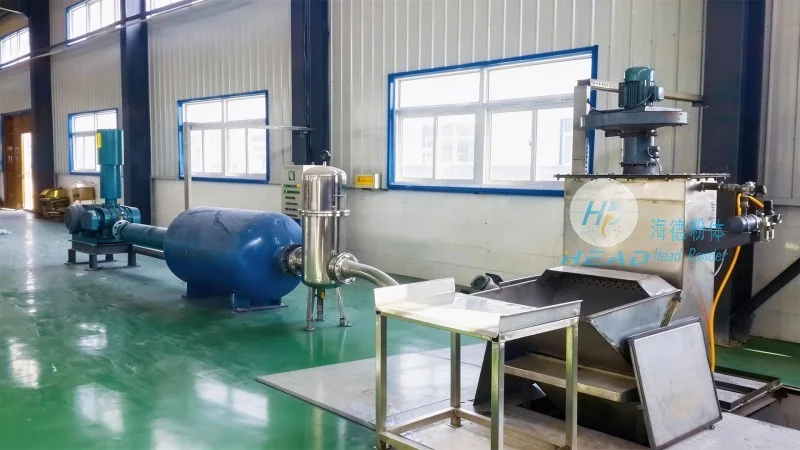
4. PTFE Air Control and Regulation Components
The air supply and regulation components are vital for controlling the pressure and flow within the PTFE pneumatic conveying system. These components include air compressors, regulators, and pressure relief valves. The air compressor is responsible for generating the necessary airflow, while the regulator adjusts the pressure to maintain optimal conditions for material transport. PTFE components in this section, such as seals and gaskets, are used to prevent air leakage and ensure the system operates efficiently. The design of these components is crucial for preventing material contamination and maintaining system integrity.
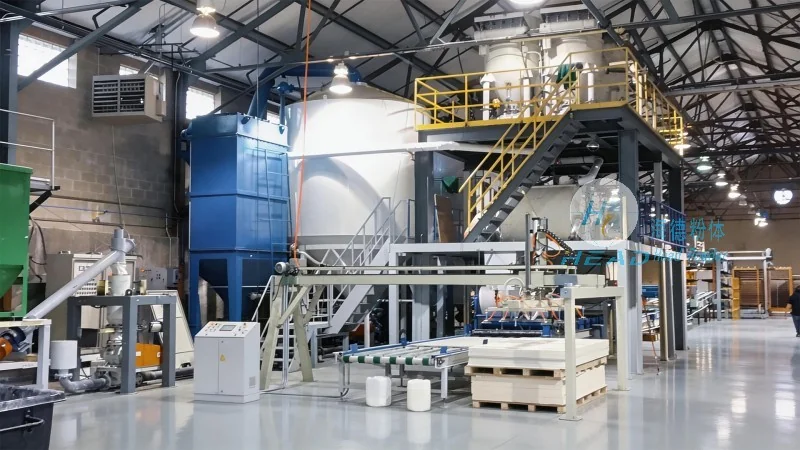
5. PTFE Conveying Nozzles and Diffusers
Nozzles and diffusers are used to direct and control the flow of material and air at critical points in the system, such as at the inlet or outlet of the conveying pipe. PTFE nozzles are designed to minimize pressure loss and ensure uniform material distribution. The diffuser, in particular, helps to expand the air stream and reduce the velocity of the material, which can improve the overall efficiency of the conveying process. These components are often made from PTFE to provide a smooth surface that prevents material buildup and reduces friction. The design of nozzles and diffusers is tailored to the specific characteristics of the material being conveyed, ensuring optimal performance.
About Shandong HeadPowder Engineering Co., Ltd.
Shandong HeadPowder Engineering Co., Ltd., operating under the brand name headpowder, specializes in the design, manufacturing, and supply of advanced PTFE pneumatic conveying systems. With a focus on quality and innovation, the company provides customized solutions tailored to the unique needs of various industries, including chemical, pharmaceutical, and food processing. The company's headquarters is located in Shandong, China, where it leverages local expertise and resources to deliver high-performance PTFE conveying structures. By combining cutting-edge technology with rigorous quality control, headpowder ensures that its products meet the highest standards of reliability and efficiency.




