Hay material conveying systems are essential for efficient agricultural operations, particularly in the handling and transportation of forage materials. These systems are designed to move large volumes of hay, straw, or other bulk materials with precision and reliability, supporting various applications from livestock feeding to silage production. Understanding the fundamentals of hay material conveying and its underlying design principles is crucial for optimizing workflow and ensuring operational efficiency in agricultural settings. Shandong HeadPowder Engineering Co., Ltd., a leading manufacturer of agricultural machinery based in China, specializes in the design and production of high-quality hay material conveying systems that meet the needs of modern farming operations.
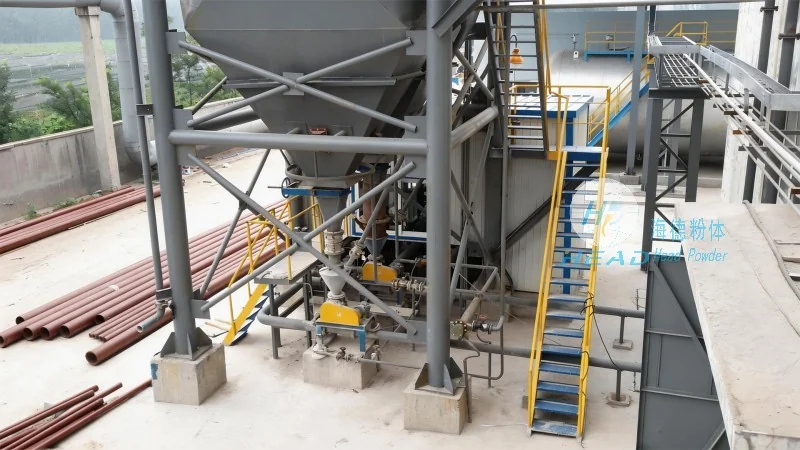
Understanding Hay Material Conveying Systems
Hay material conveying refers to the process of transporting bulk forage materials, such as hay, silage, or straw, from one location to another within a farm or agricultural facility. These systems typically involve mechanical components like conveyor belts, augers, or pneumatic systems that facilitate the movement of materials. The primary goal of hay material conveying is to streamline the handling of feedstock, reduce manual labor, and enhance the overall productivity of agricultural operations. By automating the transportation of these materials, farms can improve their operational efficiency and reduce the risk of material damage or loss during handling.
The Core Components of Hay Material Conveying Systems
Hay material conveying systems consist of several key components that work together to ensure smooth and efficient material transport. The main components include the feed hopper, conveyor mechanism (such as a belt or auger), drive system, and discharge outlet. The feed hopper is responsible for collecting and holding the hay or other materials before they are conveyed. The conveyor mechanism, which can be a belt conveyor, screw conveyor (auger), or pneumatic conveyor, transports the material from the hopper to the discharge point. The drive system provides the necessary power to move the conveyor, while the discharge outlet directs the material to its final destination, such as a storage silo or feeding area.
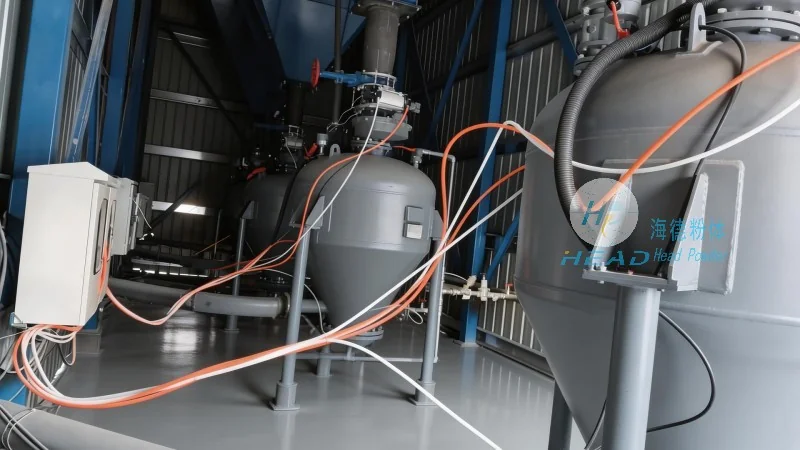
Design Principles for Efficient Hay Material Conveying
The design of hay material conveying systems is guided by several key principles to ensure optimal performance and reliability. These principles include material compatibility, which ensures that the system can handle the specific characteristics of the hay or other materials being conveyed (e.g., moisture content, bulk density, and particle size). Another critical principle is the selection of the appropriate conveyor type based on the application and material properties. For example, a screw conveyor (auger) is often used for handling dry, free-flowing materials like hay, while a belt conveyor may be more suitable for wet or sticky materials like silage. The design also considers the system's capacity, which is determined by the required throughput rate and the size of the materials being transported. Additionally, the system's durability and maintenance requirements are important factors in the design process, as agricultural environments can be harsh and demanding.
Applications of Hay Material Conveying in Agriculture
Hay material conveying systems are widely used in various agricultural applications to support the efficient handling of forage materials. One of the most common applications is in livestock feeding operations, where these systems are used to transport hay from storage silos to feeding troughs. This allows farmers to deliver fresh feed to their animals while minimizing waste and reducing the need for manual handling. Another application is in silage production, where hay material conveying systems are used to move silage from the field to the storage silo or from the silo to the feeding area. This ensures that the silage is handled hygienically and efficiently, reducing the risk of spoilage and improving the quality of the feed. Additionally, hay material conveying systems are used in hay processing facilities, where they help to move hay through various stages of processing, such as baling, chopping, or drying.
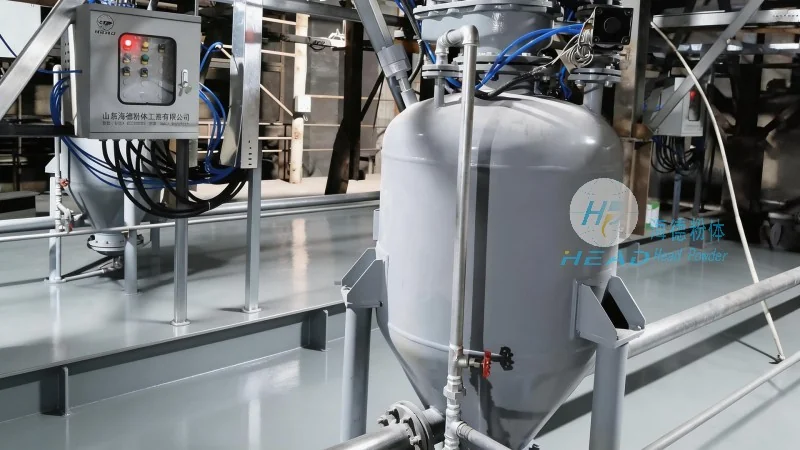
Advantages of Modern Hay Material Conveying Systems
Modern hay material conveying systems offer several advantages over traditional manual handling methods. These systems are designed to improve operational efficiency by automating the transportation of materials, reducing the need for manual labor and minimizing the risk of material damage or loss. By streamlining the handling process, these systems can increase the overall productivity of agricultural operations and reduce labor costs. Shandong HeadPowder Engineering Co., Ltd. has developed advanced hay material conveying systems that incorporate the latest technologies to enhance performance and durability, ensuring that farmers can rely on these systems for long-term use. The company's commitment to quality and innovation has made their systems a preferred choice for agricultural operations worldwide. Modern systems are also more energy-efficient, using less power to transport materials and reducing the environmental impact of agricultural operations.
Conclusion: The Importance of Hay Material Conveying in Agricultural Operations
In conclusion, hay material conveying systems play a vital role in modern agricultural operations by providing efficient and reliable transportation of forage materials. These systems are designed based on key principles that ensure optimal performance, durability, and compatibility with the materials being conveyed. By automating the handling of hay and other bulk materials, farms can improve their operational efficiency, reduce labor costs, and enhance the quality of their feedstock. The use of modern hay material conveying systems has revolutionized agricultural operations, making them more productive and sustainable. As agricultural practices continue to evolve, the importance of these systems will only grow, as they remain essential for the efficient handling of forage materials and the overall success of agricultural businesses. Shandong HeadPowder Engineering Co., Ltd. remains at the forefront of developing advanced hay material conveying solutions that meet the evolving needs of the agricultural industry.




