Shandong HeadPowder Engineering Co., Ltd., commonly referred to as headpowder, is a leading provider of engineering solutions for material handling, with a focus on the efficient transportation of nanoparticle calcium carbonate through pneumatic conveying systems. This article delves into the essential structural components that constitute such systems, highlighting their role in ensuring reliable, low-maintenance operation in industrial settings. The company, based in Shandong, China, leverages years of expertise to design and implement systems tailored to the unique challenges of handling fine, nano-sized particles.
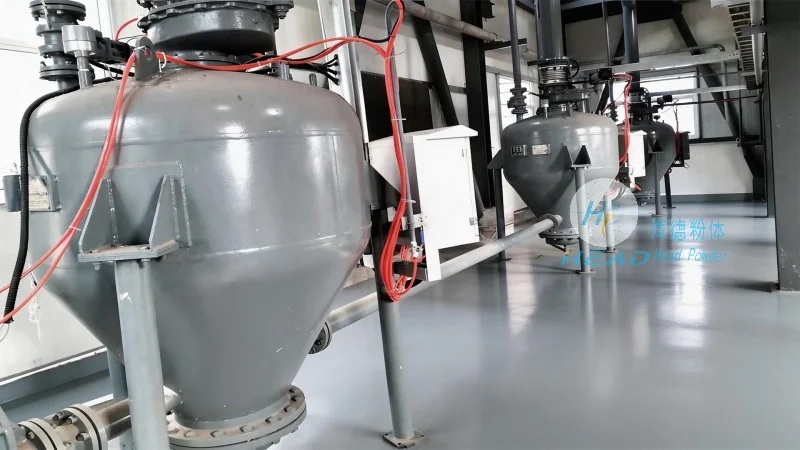
Core Structural Components of Pneumatic Conveying Systems
The pneumatic conveying system for nanoparticle calcium carbonate comprises several interdependent components that work together to transport the material from the source to the destination. These structures are engineered to address the specific properties of nano-sized particles, including their high surface area, potential for agglomeration, and sensitivity to handling conditions. The design prioritizes minimizing pressure drop, preventing particle degradation, and ensuring consistent flow rates.
1. Material Feeding System
The material feeding system is the first critical component in the pneumatic conveying process, responsible for introducing the nanoparticle calcium carbonate into the system. This component must effectively handle fine powders without causing blockages or uneven flow. Common feeding mechanisms include rotary valves, star feeders, and screw feeders, each selected based on the particle size distribution, bulk density, and required conveying capacity. For nanoparticle calcium carbonate, a star feeder or a low-speed rotary valve is often preferred to reduce particle attrition and preserve the nanostructure's integrity. The feeder is typically equipped with a control mechanism to regulate the flow rate, ensuring that the material is fed at a consistent rate to match the system's conveying capacity.
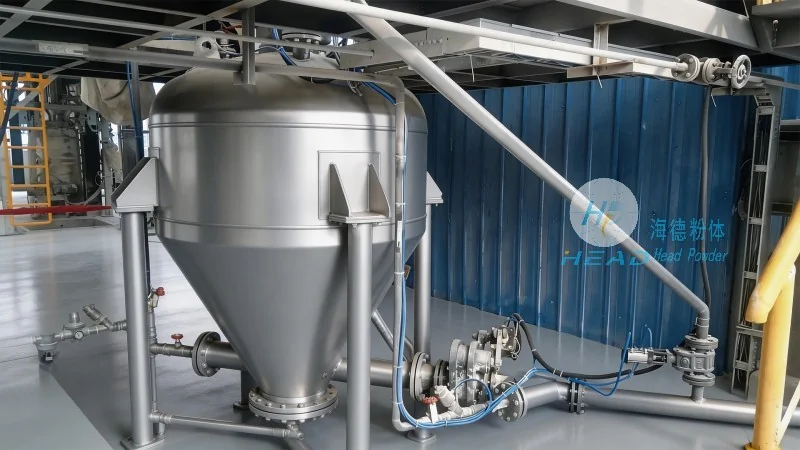
2. Conveying Pipeline
The conveying pipeline serves as the main channel for transporting the nanoparticle calcium carbonate. It is constructed from materials like stainless steel or high-grade plastic, chosen for their corrosion resistance and smooth inner surfaces that minimize friction and pressure loss. The pipeline may include bends, elbows, and expansion joints to accommodate changes in direction or elevation. For long-distance conveying, a positive pressure system is employed, where air is supplied at a pressure higher than the ambient, ensuring continuous propulsion of the material. The diameter of the pipeline is determined by the conveying velocity and required flow rate; larger diameters are used for higher capacities to reduce pressure drop and maintain stable flow.
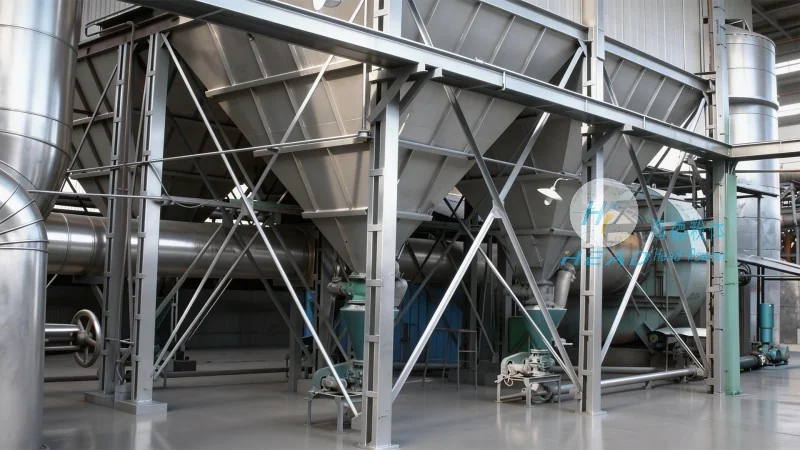
3. Air Supply and Blower Unit
The air supply and blower unit generates the necessary airflow to move the nanoparticle calcium carbonate through the pipeline. This component must provide sufficient pressure and volume to overcome pipeline resistance and material drag. Centrifugal or positive displacement blowers are commonly used, selected based on system capacity and required pressure. The blower is connected to an air filter to remove contaminants, ensuring the nanoparticle calcium carbonate remains clean and free from impurities. The air supply is regulated to maintain consistent pressure, which is vital for stable conveying performance and to prevent fluctuations that could lead to material backflow or system failure.
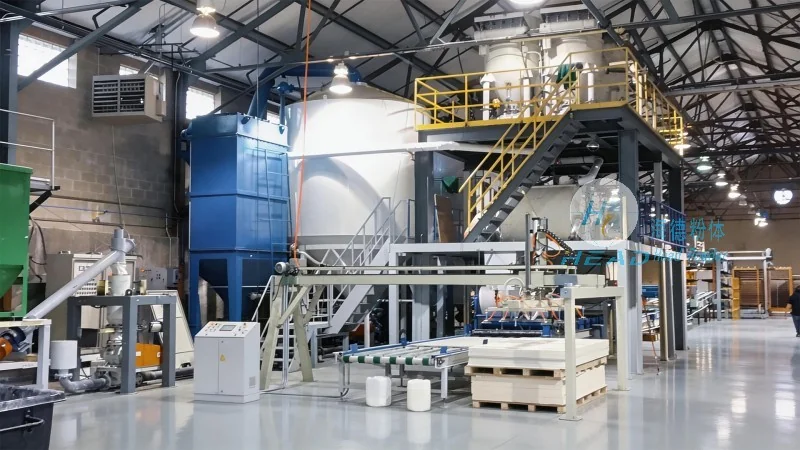
4. Solids Separation and Collection
At the receiving end, the nanoparticle calcium carbonate is separated from the air stream and collected. This is achieved using a separator, such as a cyclone or bag filter, which employs centrifugal force or filtration to separate solids from gas. The separator is designed to handle fine particles, ensuring high collection efficiency and minimal material loss. The collected material is discharged into a storage bin or processing unit, completing the conveying cycle. The separator also includes a dust collection system to capture airborne particles, ensuring environmental compliance and a clean working environment.
5. Control and Monitoring Systems
Modern pneumatic conveying systems incorporate advanced control and monitoring systems to optimize performance and ensure safety. These systems include pressure sensors, flow meters, and level indicators that provide real-time data on operation. The control system adjusts air flow and pressure based on material feed rate, preventing overloading or under-conveying. Alarms and safety interlocks are integrated to detect abnormalities, such as pressure spikes or blockages, and to shut down the system automatically if necessary. This ensures reliable operation and reduces the risk of equipment damage or material loss.




