Light-weight cement pneumatic conveying systems represent a crucial technology in the modern construction and material handling industries, offering efficient and flexible solutions for transporting lightweight cement and related powders. The classification and application of these systems are essential for understanding their operational principles and selecting the most suitable equipment for specific industrial needs. This analysis delves into the key categories of light-weight cement pneumatic conveying systems, exploring their design variations, operational mechanisms, and practical applications in various sectors.
Classification of Light-Weight Cement Pneumatic Conveying Systems
Light-weight cement pneumatic conveying systems can be broadly classified based on several key factors, including the conveying principle, system configuration, and the type of material being transported. The primary classification categories include pressure systems, vacuum systems, and mixed systems, each with distinct characteristics and applications.
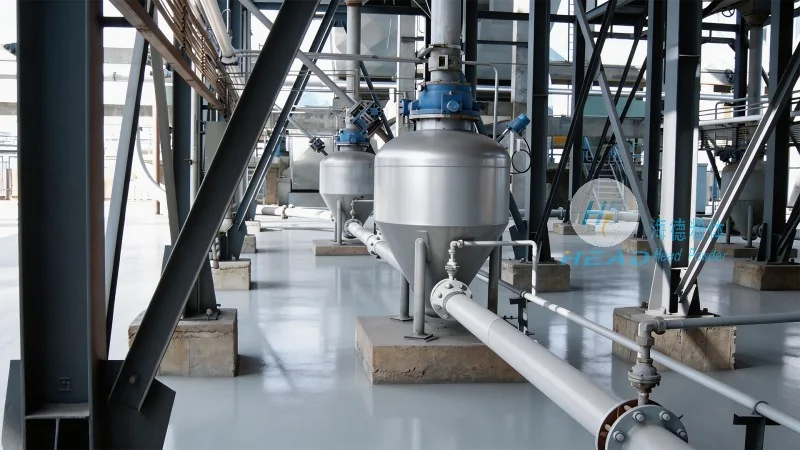
Pressure systems, also known as positive pressure systems, utilize compressed air or gas to push the material through the conveying line. These systems are commonly used for long-distance and high-capacity conveying of light-weight cement, as they can maintain consistent pressure and flow rates. The design of pressure systems typically involves a blower or compressor at the inlet, which generates the necessary pressure to move the material. Key components include the hopper, feeder, conveying line, and discharge device. The pressure system is particularly effective for applications requiring high throughput and reliable material transport over extended distances.
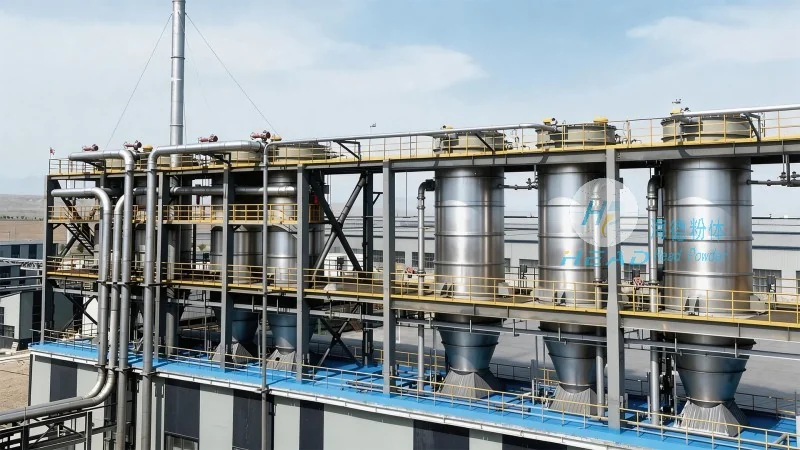
Vacuum systems, or negative pressure systems, operate by creating a vacuum at the discharge end, drawing the material from the source into the conveying line. This type of system is often preferred for shorter conveying distances and for handling materials that are sensitive to pressure or require gentle handling. The vacuum system typically includes a vacuum pump or fan at the discharge end, with the material being drawn into the line under reduced pressure. The design emphasizes low noise and minimal material degradation, making it suitable for applications where the cement's quality and consistency are critical.
Mixed systems combine elements of both pressure and vacuum systems, offering a balanced approach to conveying light-weight cement. These systems may use a combination of positive and negative pressure to optimize the conveying process, particularly in complex layouts or when dealing with varying material properties. The mixed system allows for flexibility in handling different materials and distances, making it a versatile choice for industrial applications where multiple conveying tasks are required.
Key Components and Operational Principles
Regardless of the classification, light-weight cement pneumatic conveying systems share common components and operational principles that ensure efficient material transport. The core components include the material hopper, which stores the light-weight cement and provides a consistent feed to the system; the feeder, which controls the flow rate of the material into the conveying line; the conveying line, which is typically made of flexible or rigid tubing designed to withstand the pressure and material properties; and the discharge device, which delivers the material to the final destination.
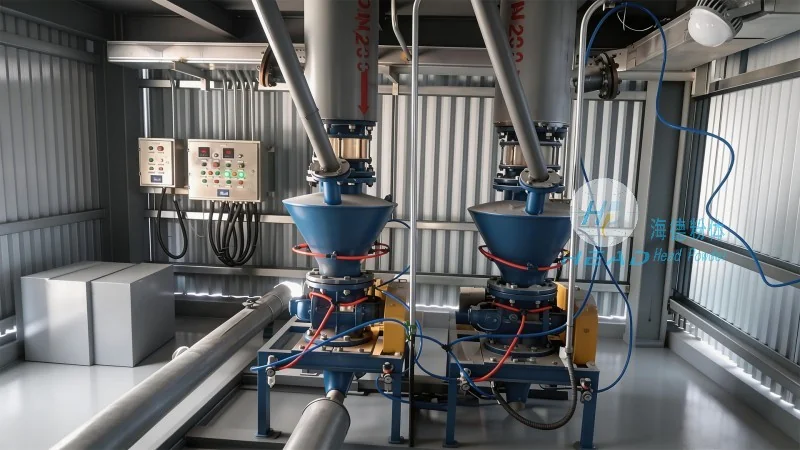
The operational principle revolves around the use of air or gas to create a flow that carries the light-weight cement particles. In pressure systems, the compressed air is introduced at the inlet, creating a high-pressure zone that propels the material forward. The air and material mixture travels through the conveying line, with the air providing the necessary momentum to move the particles. In vacuum systems, the vacuum at the discharge end draws the material into the line, with the air flow assisting in the transport. The system's efficiency depends on the balance between the air flow rate and the material feed rate, ensuring that the material is fully entrained and transported without clogging or degradation.
Material handling in light-weight cement pneumatic conveying systems requires careful consideration of the cement's properties, such as particle size, density, and moisture content. These factors influence the system's design, including the type of feeder, the conveying line diameter, and the air flow rate. For example, finer or more cohesive light-weight cement may require a more gentle handling approach, such as a vacuum system or a mixed system with lower pressure, to prevent material degradation or blockages. The system's design must also account for the potential for air leakage or pressure loss, which can affect the conveying efficiency and material transport consistency.




