HeadPowder, a leading engineering firm based in Shandong, China, specializes in the design and implementation of advanced pneumatic conveying systems tailored for the efficient transport of polyethylene pellets over long distances. This article provides an in-depth overview of their innovative system, highlighting key components, operational principles, and the technical advantages that make it a superior solution for industrial applications.
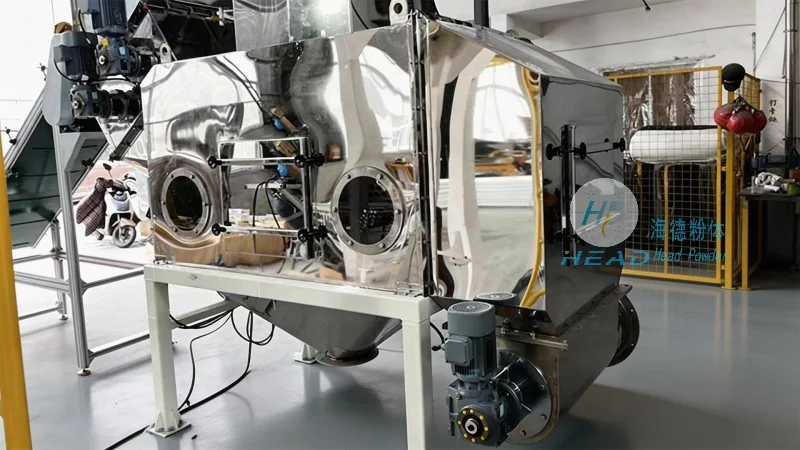
System Overview and Core Components
The long-distance pneumatic conveying system for polyethylene pellets by HeadPowder Engineering is engineered to handle the unique challenges associated with transporting granular materials like polyethylene over extended distances. The system comprises several critical components, each playing a vital role in ensuring reliable and efficient material transfer. These include the material feed hopper, which accurately meters the polyethylene pellets into the conveying line; the air compressor and associated air treatment units, responsible for generating the necessary air pressure and maintaining air quality; the conveying pipes, which are typically made from corrosion-resistant materials to withstand the abrasive nature of polyethylene pellets; and the control system, which monitors and regulates the entire process for optimal performance.
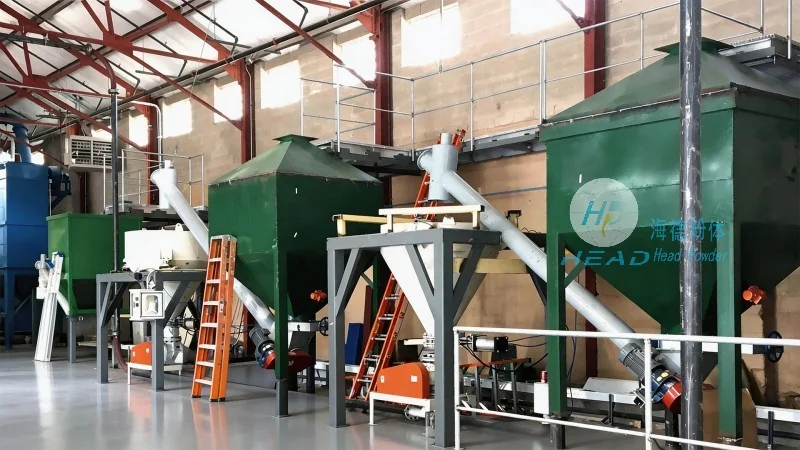
Operational Principles and Flow Dynamics
The pneumatic conveying process operates on the principle of transporting material particles suspended in a high-velocity air stream. In this system, polyethylene pellets are introduced into the feed hopper and then drawn into the conveying pipe by the air flow generated by the compressor. The air velocity is carefully controlled to ensure that the pellets remain suspended, preventing blockages and ensuring smooth transport. The system employs a combination of positive and negative pressure zones to achieve efficient material movement, with the air compressor providing the necessary pressure to move the material from the source to the destination. The design of the conveying pipes, including bends and transitions, is optimized to minimize pressure loss and maintain consistent air velocity, thereby maximizing the conveying distance and throughput.
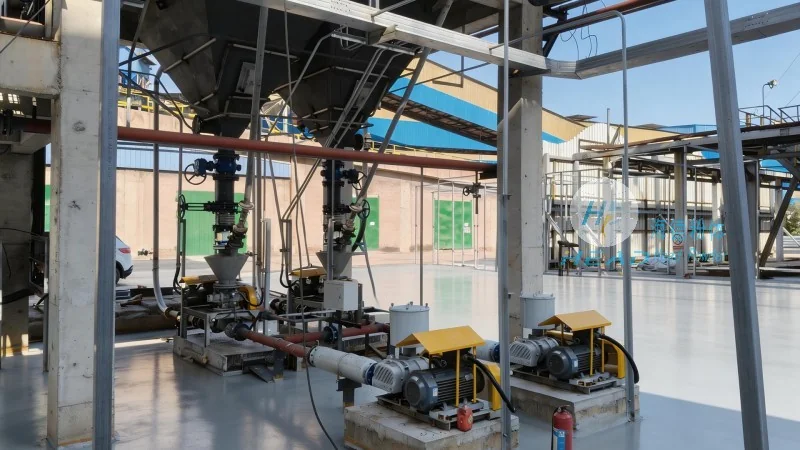
Technical Advantages and Performance Metrics
HeadPowder's long-distance pneumatic conveying system for polyethylene pellets offers several technical advantages that set it apart from traditional conveying methods. One of the primary benefits is the ability to transport materials without the need for mechanical components like belts or buckets, reducing maintenance requirements and operational costs. The system also provides a hygienic and dust-free environment, which is crucial for polyethylene pellets used in food or medical applications. Additionally, the system's modular design allows for easy expansion or modification to accommodate changes in production volume or conveying distance. Performance metrics such as conveying capacity, which can range from several tons per hour to over 100 tons per hour depending on the system configuration, and the maximum conveying distance, which can exceed 1,000 meters, demonstrate the system's high efficiency and reliability.
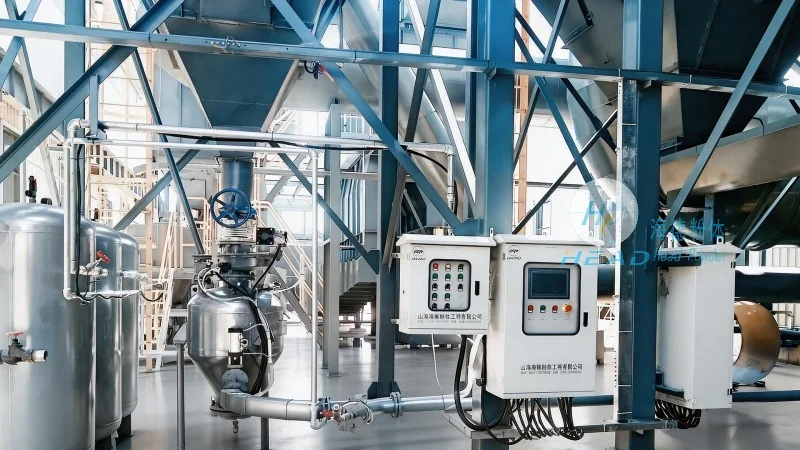
Application and Industry Impact
The long-distance pneumatic conveying system for polyethylene pellets is widely used in various industrial sectors, including plastic manufacturing, chemical processing, and material handling. It is particularly suitable for applications where traditional conveying methods are impractical due to the need for long-distance transport or the presence of hazardous materials. The system's ability to handle polyethylene pellets with minimal degradation ensures that the material's quality is maintained throughout the conveying process, which is essential for downstream processing steps such as extrusion or molding. By improving material handling efficiency and reducing operational costs, HeadPowder's system contributes to enhanced productivity and profitability for its clients.




