Efficient and reliable fertilizer handling is a critical component of modern agricultural operations. The ability to transport bulk fertilizers with precision and minimal loss is essential for optimizing farm productivity and ensuring consistent nutrient delivery to crops. Among the various methods available, pneumatic conveying systems have emerged as a preferred solution for many agricultural and industrial applications. This article provides an overview of fertilizer handling systems, with a focus on the advantages and key features of pneumatic fertilizer conveying technology.
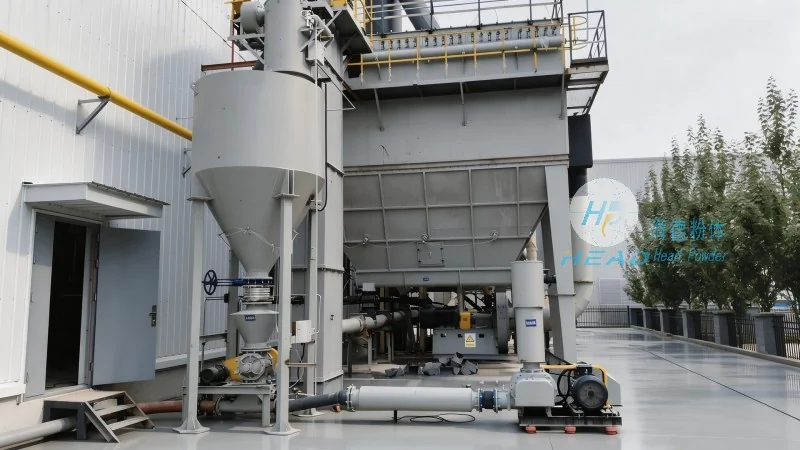
Company Profile: Shandong HeadPowder Engineering Co., Ltd.
HeadPowder, a leading provider of specialized engineering solutions, is dedicated to advancing the efficiency of bulk material handling in the agricultural sector. With a strong commitment to innovation and quality, the company has established itself as a trusted partner for farmers and agricultural businesses seeking reliable fertilizer handling systems. HeadPowder's expertise lies in designing and manufacturing advanced pneumatic conveying equipment tailored to the unique needs of fertilizer transportation. The company's operations are based in Shandong, China, where it leverages local resources and industry knowledge to deliver high-performance solutions that meet international standards.
Understanding Fertilizer Handling Systems
Fertilizer handling systems are designed to manage the storage, transport, and distribution of bulk fertilizers. These systems typically include components such as storage silos, feeders, conveyors, and delivery equipment. The choice of system depends on factors like the type of fertilizer (solid, liquid, or granular), the scale of operation, and the specific requirements of the farm or facility. Pneumatic conveying, in particular, offers a flexible and efficient method for moving fertilizers over short to medium distances, making it suitable for a wide range of agricultural applications.
Pneumatic Fertilizer Conveying: How It Works
Pneumatic conveying systems utilize air pressure to transport bulk materials through a network of pipes. In the case of fertilizer, the system typically involves a hopper or silo where the fertilizer is stored. A feeder then meters the material into a conveying line, where it is mixed with air and propelled to the destination. The air pressure can be generated by a blower or compressor, and the system can operate in either positive or negative pressure modes. Positive pressure systems push the material through the pipes using compressed air, while negative pressure systems create a vacuum to draw the material from the source. The choice between these modes depends on the material characteristics and the distance to be covered.
Key Advantages of Pneumatic Fertilizer Conveying
One of the primary advantages of pneumatic fertilizer conveying is its high efficiency. Unlike traditional methods such as truck or belt conveyors, pneumatic systems can transport large volumes of fertilizer quickly and with minimal labor. This results in significant time savings and reduced operational costs. Additionally, pneumatic conveying minimizes material loss and contamination, as the material is contained within the pipes and handled in a closed system. This is particularly important for fertilizers, which can be prone to dust and degradation if not handled properly.
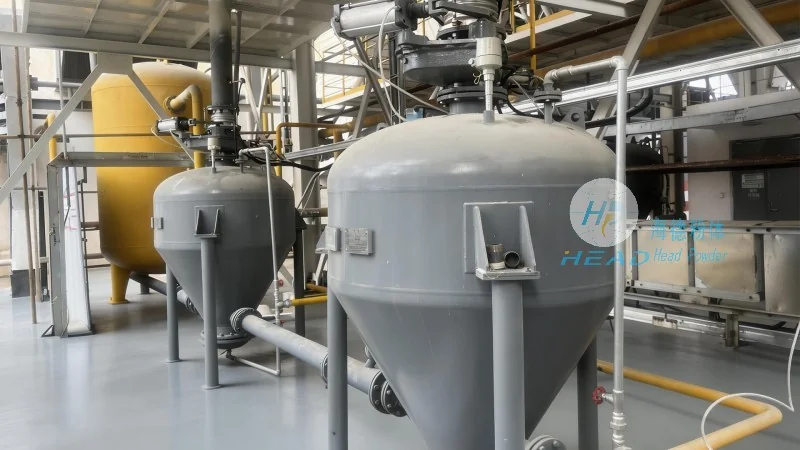
Another key benefit is the flexibility of pneumatic systems. They can be easily adapted to different layouts and operational needs, allowing for changes in the layout of storage facilities or the addition of new delivery points without major modifications. This adaptability makes pneumatic conveying a cost-effective solution for farms that may expand or change their operations over time. Furthermore, the systems are relatively low maintenance compared to other bulk handling methods, reducing long-term operational expenses.
Key Features and Technical Considerations
When evaluating pneumatic fertilizer conveying systems, several key features and technical aspects should be considered. The first is the capacity of the system, which is determined by factors such as the size of the blower, the diameter of the pipes, and the type of fertilizer being transported. Higher capacity systems are suitable for large-scale operations, while smaller systems may be appropriate for smaller farms or specific applications.
Material compatibility is another critical factor. Different fertilizers have varying properties, such as moisture content, particle size, and abrasiveness, which can affect the performance of the conveying system. For example, highly abrasive fertilizers may require special materials for the pipes and components to prevent wear and tear. The system's design should also consider the need for dust control and safety measures, as fertilizer dust can be a health hazard and may cause environmental issues if not properly managed.
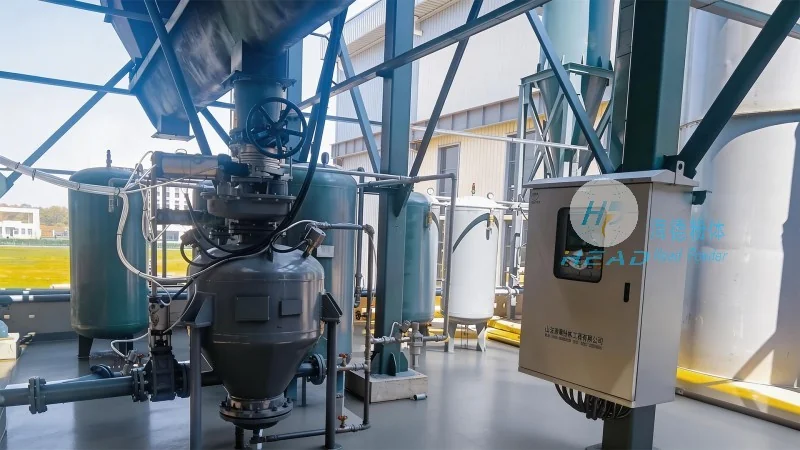
Energy efficiency is also an important consideration. Modern pneumatic conveying systems are designed to optimize energy use, with features such as variable speed drives and efficient blower designs. These improvements help reduce operational costs and minimize the environmental impact of the system. Additionally, the system's reliability and durability are crucial for long-term performance. High-quality components and robust construction ensure that the system can operate continuously without frequent breakdowns, minimizing downtime and maintenance needs.
Applications and Use Cases
Pneumatic fertilizer conveying systems are widely used in various agricultural settings. They are commonly employed in large-scale farms and agricultural cooperatives for the distribution of bulk fertilizers from storage silos to application equipment. The systems are also used in fertilizer manufacturing plants for the transport of raw materials and finished products. In addition, they can be integrated into automated farming systems, where the fertilizer is delivered directly to the application points, such as spreaders or injectors, with minimal human intervention.
For example, a typical application might involve a silo storing granular nitrogen fertilizer, which is then conveyed through a pneumatic system to a spreader on a field. The system would include a feeder that meters the fertilizer into the conveying line, a blower that provides the necessary air pressure, and a delivery nozzle that releases the material at the desired rate. This process allows for precise application of the fertilizer, ensuring that the crops receive the right amount of nutrients without over-application or waste.
Conclusion
Pneumatic fertilizer conveying systems represent a highly effective and efficient solution for the transportation of bulk fertilizers. By leveraging air pressure to move materials through a closed system, these systems offer numerous advantages, including high efficiency, minimal material loss, and flexibility. With proper design and maintenance, pneumatic conveying can significantly improve the productivity and profitability of agricultural operations. As the demand for efficient fertilizer handling continues to grow, pneumatic systems remain a key technology in modern agriculture, supported by companies like Shandong HeadPowder Engineering Co., Ltd., which are dedicated to advancing the capabilities of fertilizer handling technology.




