Cement dry ash pneumatic conveying systems are critical for efficient material handling in industrial settings, particularly in cement production facilities. The design of such systems requires careful consideration of multiple factors to ensure optimal performance, reliability, and cost-effectiveness. This article provides a comprehensive overview of the key considerations and best practices for designing a reasonable cement dry ash pneumatic conveying system, with a focus on the expertise and solutions offered by Shandong HeadPowder Engineering Co., Ltd.
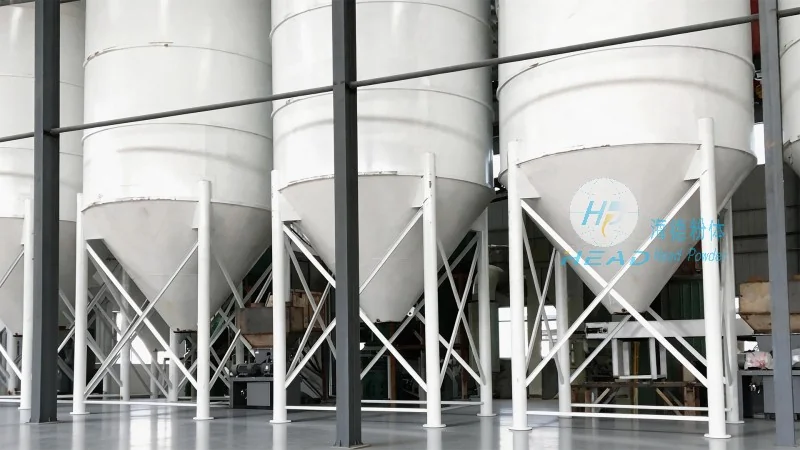
About HeadPowder Engineering
Shandong HeadPowder Engineering Co., Ltd., commonly known as HeadPowder, is a leading engineering company based in Shandong, China. With years of experience in the field of material handling and pneumatic conveying systems, HeadPowder specializes in providing customized solutions for various industrial applications. The company’s team of experts combines technical knowledge with practical experience to deliver high-quality, reliable systems that meet the specific needs of clients in the cement industry and beyond.
Key Factors in Cement Dry Ash Pneumatic Conveying System Design
The successful design of a cement dry ash pneumatic conveying system depends on several critical factors. First, the selection of the appropriate system type is essential. Common types include positive pressure systems, negative pressure systems, and hybrid systems. Positive pressure systems are often preferred for their ability to handle abrasive materials like cement and ash, as they provide consistent pressure and flow. The choice of system type is influenced by factors such as the distance of material transport, the volume of material to be conveyed, and the required flow rate.
Second, the design of the pipeline network is a crucial aspect. The layout of the pipelines must be optimized to minimize pressure drop and ensure smooth material flow. Factors such as pipe diameter, material of construction (e.g., stainless steel, carbon steel), and the inclusion of bends, elbows, and other fittings all impact the system’s performance. Properly sized and installed pipelines are vital to prevent blockages and maintain system efficiency.
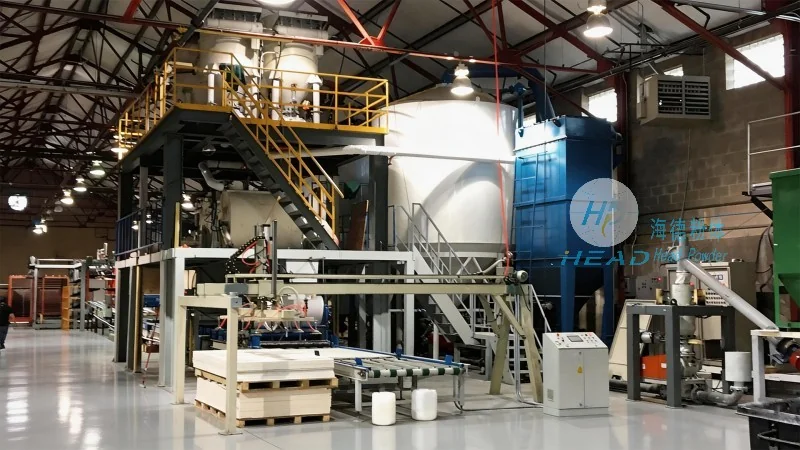
Third, the selection of the air source equipment is another key consideration. Compressors, vacuum pumps, or a combination of both are used to generate the necessary pressure or vacuum for material transport. The type and capacity of the air source must match the system’s requirements to ensure stable operation. Regular maintenance of the air source equipment is also essential to prevent downtime and maintain system reliability.
Fourth, the control and monitoring systems play a vital role in managing the conveying process. Advanced control systems can regulate the flow rate, pressure, and temperature of the material, ensuring safe and efficient operation. Sensors and monitoring devices can detect abnormalities, such as blockages or pressure changes, and trigger alerts or automatic shutdowns to prevent damage to the system or material.
Benefits of a Well-Designed Cement Dry Ash Pneumatic Conveying System
A well-designed cement dry ash pneumatic conveying system offers numerous benefits for industrial operations. One of the primary advantages is improved efficiency in material handling. By eliminating the need for manual or mechanical conveying methods, such as bucket elevators or belt conveyors, the system reduces labor costs and increases throughput. This is particularly important in large-scale cement production facilities where high volumes of material need to be transported over long distances.
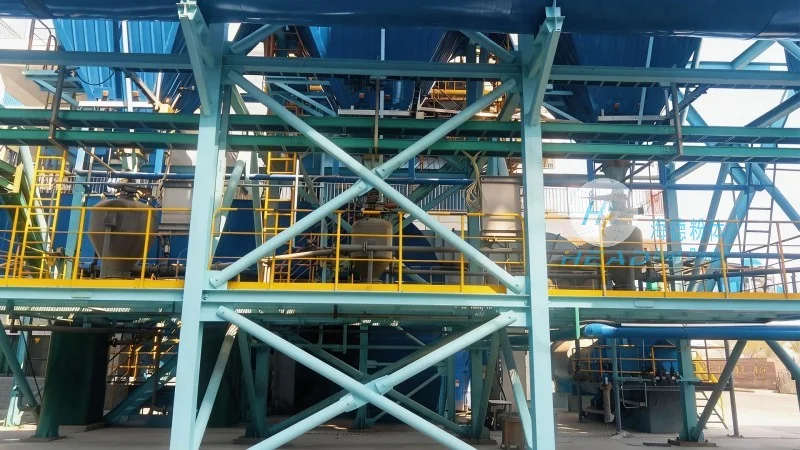
Another significant benefit is enhanced safety and environmental protection. Pneumatic conveying systems can minimize dust emissions and prevent the release of hazardous materials into the environment. The enclosed pipeline system also reduces the risk of material spillage and contamination, contributing to a cleaner and safer working environment. Additionally, the system can help reduce energy consumption by optimizing the air flow and pressure, leading to lower operational costs.
Furthermore, a well-designed system offers flexibility and adaptability. The modular design of pneumatic conveying systems allows for easy expansion or modification to accommodate changes in production requirements. This flexibility is valuable for companies that may need to scale up or adjust their operations over time. The system can also be integrated with other industrial processes, such as storage and processing, to create a more efficient and streamlined workflow.
Conclusion
Designing a reasonable cement dry ash pneumatic conveying system requires a thorough understanding of the material properties, operational requirements, and technical specifications. By considering factors such as system type, pipeline design, air source equipment, and control systems, engineers can develop a solution that meets the specific needs of the client. Shandong HeadPowder Engineering Co., Ltd. leverages its expertise and experience to provide customized pneumatic conveying systems that enhance efficiency, safety, and sustainability in industrial applications. With a focus on quality and customer satisfaction, HeadPowder continues to be a trusted partner for companies seeking reliable and effective material handling solutions in the cement industry and beyond.




