For industrial applications requiring the efficient and reliable transport of precipitated barium sulfate, designing a pneumatic conveying system that meets operational demands is crucial. This article provides insights into the key considerations and steps for developing a well-structured plan, presented by Shandong HeadPowder Engineering Co., Ltd., a leading provider in the field with a focus on optimizing material handling processes.
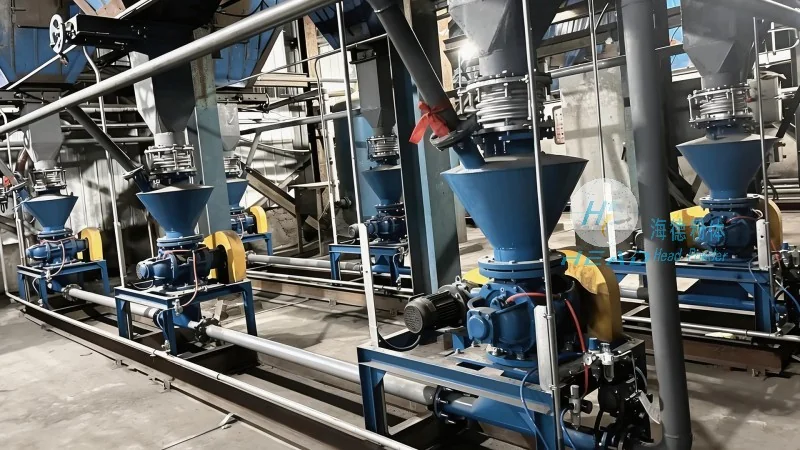
Understanding the Core Requirements for Precipitated Barium Sulfate Pneumatic Conveying
Before diving into the design specifics, it is essential to understand the unique characteristics of precipitated barium sulfate. This material, known for its high density and fine particle size, presents specific challenges in pneumatic conveying. The primary goal is to ensure that the system can handle the material's flow properties, minimize degradation, and maintain consistent performance over time. Shandong HeadPowder Engineering Co., Ltd. emphasizes the importance of assessing the material's bulk density, particle size distribution, and moisture content as foundational steps in the planning process.
Key Design Factors in Pneumatic Conveying System Planning
Several critical factors must be addressed when designing a pneumatic conveying system for precipitated barium sulfate. These include the selection of the appropriate conveying method (e.g., dilute-phase or dense-phase), the determination of the required air velocity, and the sizing of the conveying line. The choice between dilute-phase and dense-phase systems depends on the material's properties and the distance it needs to be transported. For fine powders like precipitated barium sulfate, dilute-phase systems are often preferred as they offer better control over particle suspension and reduce the risk of blockages. Shandong HeadPowder Engineering Co., Ltd. recommends conducting a thorough material analysis to select the optimal conveying method, ensuring that the system can handle the material's specific flow characteristics without compromising efficiency.
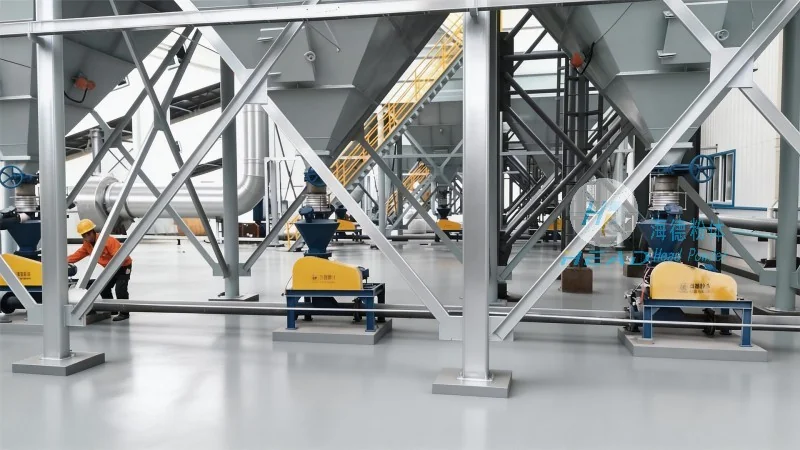
System Components and Their Role in Efficient Conveying
A pneumatic conveying system for precipitated barium sulfate typically consists of several key components, each playing a vital role in the overall operation. These include the material feed hopper, the air supply system (such as a blower or compressor), the conveying line, and the receiving vessel. The feed hopper must be designed to prevent material bridging and ensure a consistent flow rate, which is critical for maintaining system stability. The air supply system must provide sufficient pressure and volume to achieve the desired air velocity, while the conveying line must be sized appropriately to minimize pressure drop and prevent particle deposition. Shandong HeadPowder Engineering Co., Ltd. highlights the importance of selecting high-quality components that are compatible with the material's properties, as this directly impacts the system's longevity and performance.
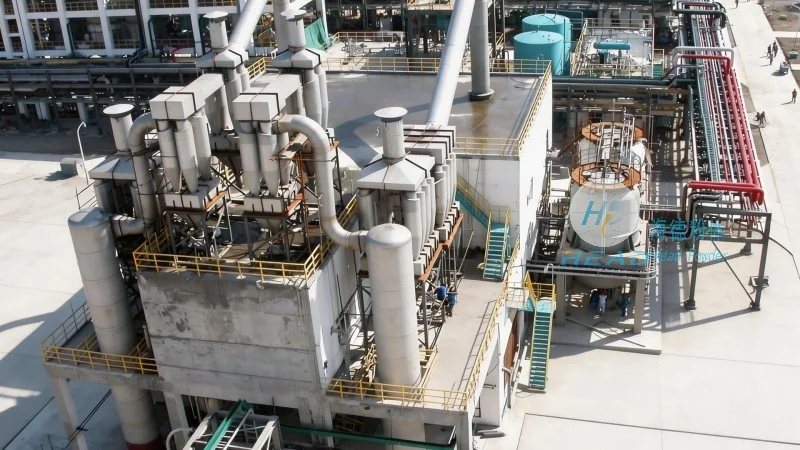
Process Flow and Control Considerations
Effective control of the pneumatic conveying process is essential for maintaining consistent material transport and preventing system issues. This involves implementing appropriate control mechanisms, such as flow meters, pressure sensors, and variable speed drives, to monitor and adjust the system's performance in real-time. Shandong HeadPowder Engineering Co., Ltd. emphasizes the use of advanced control systems that can adapt to changes in material characteristics or operational conditions, ensuring that the system operates at peak efficiency. Additionally, proper maintenance protocols must be established to keep the system in optimal condition, reducing downtime and extending the equipment's lifespan.
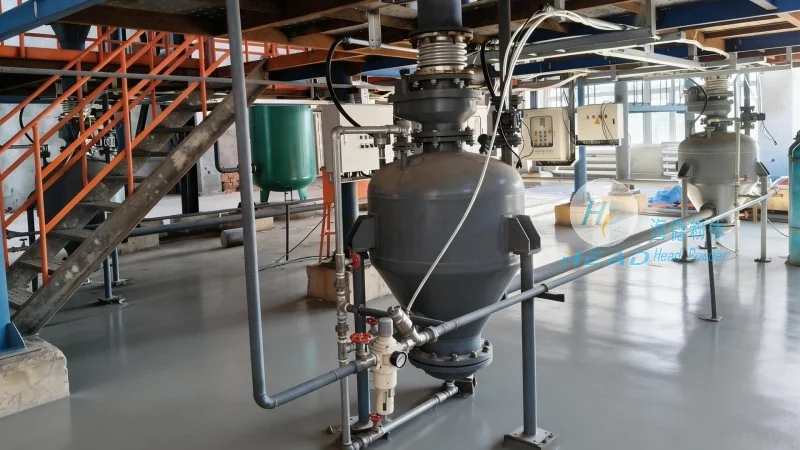
Case Study: Successful Implementation by Shandong HeadPowder Engineering Co., Ltd.
Shandong HeadPowder Engineering Co., Ltd. has successfully implemented numerous pneumatic conveying systems for precipitated barium sulfate in various industrial settings. One notable case involved a client in the pharmaceutical industry, where the company designed a system to transport fine barium sulfate powders over a distance of 100 meters. The system was optimized to maintain low particle degradation and consistent flow rates, meeting the stringent quality standards required for pharmaceutical applications. The success of this project demonstrates the expertise and experience of Shandong HeadPowder Engineering Co., Ltd. in tailoring pneumatic conveying solutions to meet specific client needs.
Conclusion and Recommendations
Designing a reasonable precipitated barium sulfate pneumatic conveying system requires a comprehensive approach that considers the material's properties, operational requirements, and system components. By following the guidelines outlined above and leveraging the expertise of companies like Shandong HeadPowder Engineering Co., Ltd., industrial facilities can achieve efficient and reliable material handling. It is crucial to conduct thorough material analysis, select appropriate system components, and implement effective control measures to ensure the long-term success of the pneumatic conveying system. Shandong HeadPowder Engineering Co., Ltd. remains committed to providing customized solutions that meet the unique needs of each client, helping them optimize their material handling processes and improve overall operational efficiency.




