When it comes to the efficient and reliable transportation of petroleum coke powder, a well-designed pneumatic conveying system is crucial. This article provides a comprehensive guide on how to design a reasonable petroleum coke powder pneumatic conveying system plan, focusing on key considerations and best practices to ensure optimal performance and safety.
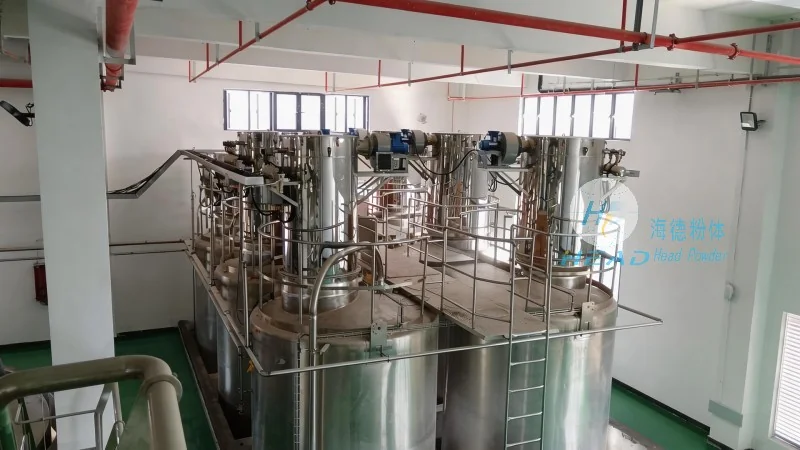
Understanding the Core Requirements for Petroleum Coke Powder Pneumatic Conveying
Before diving into the design process, it's essential to understand the unique characteristics of petroleum coke powder. This material is often abrasive, has a high density, and can be prone to dust generation. These properties directly impact the selection of equipment and system components. For instance, the choice of a positive pressure or negative pressure system depends on factors such as the material's flowability, the distance to be conveyed, and the required flow rate. A positive pressure system, where air is blown into the material to move it, is commonly used for long-distance or high-volume applications, while a negative pressure system, where air is drawn from the material, is suitable for shorter distances or when dust control is a priority.
Key Components in a Petroleum Coke Powder Pneumatic Conveying System
The design of a pneumatic conveying system involves several critical components that work in tandem to ensure smooth operation. These include the hopper or feeder, which holds the petroleum coke powder and controls the flow rate; the conveyor line, which can be made of metal or plastic pipes depending on the material's corrosiveness; the air compressor or vacuum pump, which provides the necessary pressure or suction; and the dust collector or filter, which captures any particles that escape the system to prevent environmental contamination and maintain air quality.
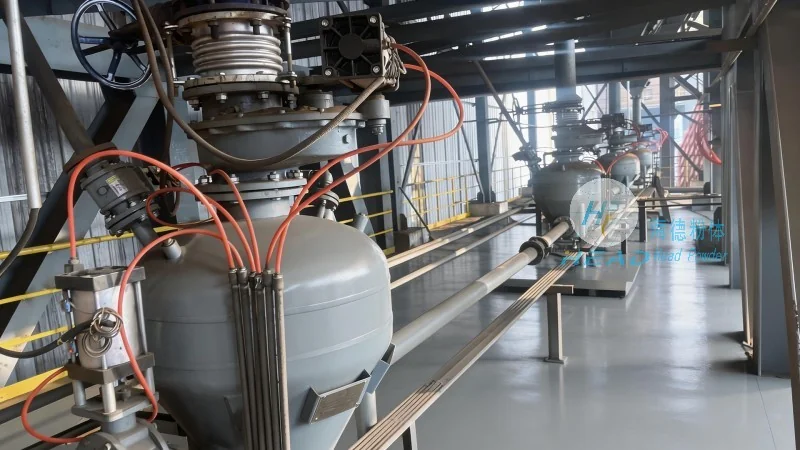
Design Considerations for Material Handling and Flow Control
Proper material handling is paramount in preventing blockages and ensuring consistent flow. The hopper design, including the angle of the walls and the presence of a cone or agitator, plays a significant role in preventing material bridging or caking. For petroleum coke powder, which can be cohesive, adding a vibratory feeder or using a rotary valve can help maintain a steady flow. Additionally, the selection of the air velocity within the conveyor line is critical. Too low a velocity may cause the material to settle and block the line, while too high a velocity can lead to excessive wear on the equipment and higher energy consumption. Engineers typically use empirical formulas or computational fluid dynamics (CFD) simulations to determine the optimal air velocity for a given material and system configuration.
System Sizing and Capacity Planning
Accurate system sizing is essential to meet the operational demands of the petroleum coke powder handling facility. This involves calculating the required flow rate based on production capacity, the distance between the source and destination, and the desired conveying time. The air compressor or vacuum pump must be sized to provide sufficient pressure or suction to overcome the system's resistance, which includes friction losses in the pipes, changes in elevation, and the pressure drop across components like bends, valves, and filters. Over-sizing the equipment can lead to unnecessary energy costs, while under-sizing may result in system inefficiencies or failure. It's also important to consider the system's capacity for future expansion, ensuring that the design can accommodate increased production or changes in material characteristics.
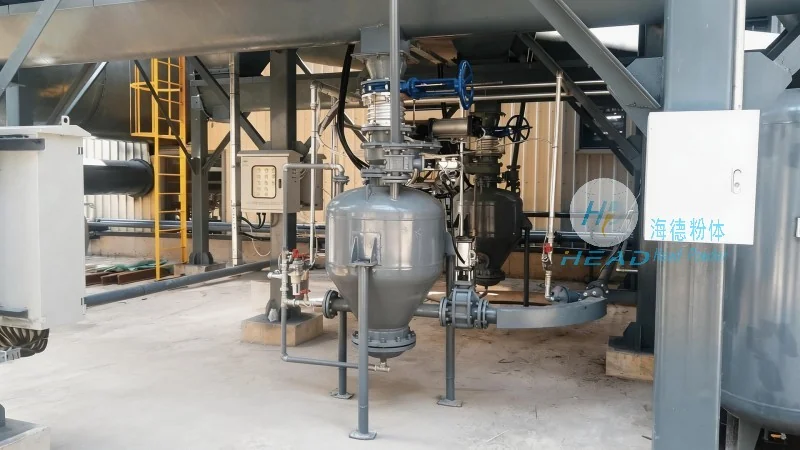
Safety and Environmental Compliance
Designing a pneumatic conveying system for petroleum coke powder must adhere to strict safety and environmental regulations. Dust control is a major concern, as petroleum coke powder is a fine particulate that can be hazardous if inhaled. The system should include a high-efficiency particulate air (HEPA) filter or a baghouse filter to capture dust at the source. Additionally, the system must be equipped with explosion-proof components, especially in areas where the material may be prone to igniting, to prevent catastrophic explosions. Regular maintenance and monitoring of the system are also critical to ensure that it operates within safe parameters and that any potential issues are detected early.
Integration with Existing Infrastructure and Future-Proofing
When designing a new pneumatic conveying system or retrofitting an existing one, it's important to consider the integration with the facility's existing infrastructure. This includes the location of the hopper, the path of the conveyor line, and the placement of the air compressor and dust collector. The system should be designed to minimize interference with other operations and to allow for easy access for maintenance. Furthermore, future-proofing the system is essential to ensure that it can adapt to changes in production processes or material specifications. This may involve selecting components with higher capacity or using modular designs that can be easily upgraded or expanded.
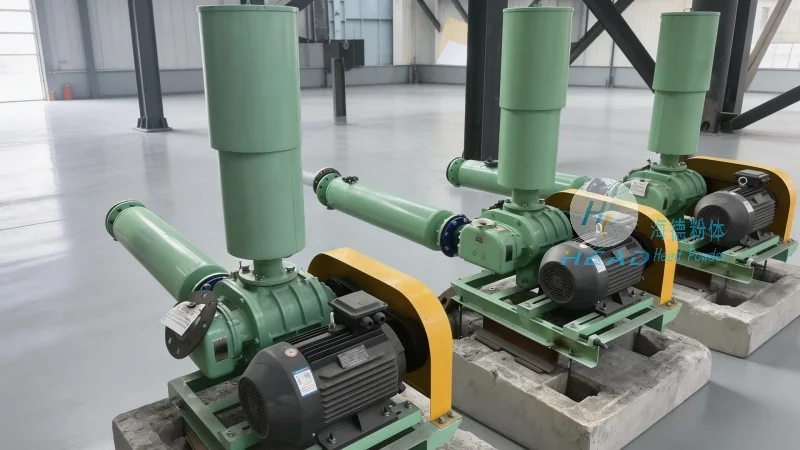
Case Study: Successful Implementation by Shandong HeadPowder Engineering Co., Ltd.
Shandong HeadPowder Engineering Co., Ltd., a leading provider of engineering solutions for material handling, has successfully implemented several petroleum coke powder pneumatic conveying systems. For example, one project involved designing a positive pressure system for a petrochemical plant in China, where the company worked closely with the client to assess the material's properties, determine the optimal conveying distance, and select the appropriate equipment. The system was designed to handle 100 tons of petroleum coke powder per hour over a distance of 200 meters, with a focus on minimizing energy consumption and ensuring reliable operation. The final system included a hopper with a vibratory feeder, a stainless steel conveyor line, a high-pressure air compressor, and a dust collector with a HEPA filter. The client reported significant improvements in material handling efficiency and reduced downtime compared to previous methods.
Conclusion: The Importance of Professional Engineering in System Design
Designing a reasonable petroleum coke powder pneumatic conveying system requires a deep understanding of the material's properties, the system's components, and the operational requirements of the facility. It's a complex process that demands careful planning, accurate calculations, and adherence to safety and environmental regulations. By following the best practices outlined in this article and working with experienced engineering firms like Shandong HeadPowder Engineering Co., Ltd., facilities can achieve efficient, reliable, and safe transportation of petroleum coke powder, ultimately improving their overall operational performance and profitability.




