Fracturing sand pneumatic conveying systems are critical components in the oil and gas industry, especially for hydraulic fracturing operations. Designing an efficient and reliable system requires careful consideration of various factors to ensure optimal performance and cost-effectiveness. This article provides a detailed guide on how to design a reasonable fracturing sand pneumatic conveying system, with insights from Shandong HeadPowder Engineering Co., Ltd., a leading provider in the field, based in Shandong, China.
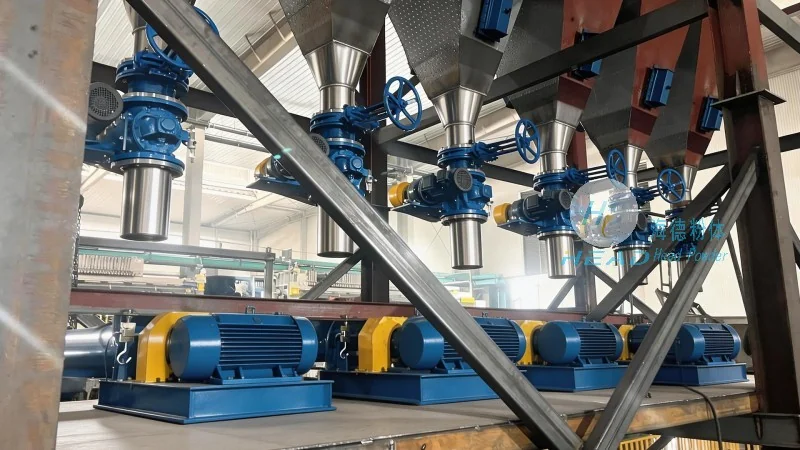
Understanding the Importance of Fracturing Sand Pneumatic Conveying Systems
Fracturing sand, often referred to as proppant, is a crucial material used in hydraulic fracturing to keep the newly created fractures open after the fracturing fluid has been pumped out. The efficient transport of this sand from storage to the fracturing site is essential for maintaining the productivity of oil and gas wells. Pneumatic conveying systems offer a flexible and effective method for transporting bulk materials like fracturing sand, minimizing the need for traditional bulk handling equipment such as trucks or conveyor belts.
Key Factors to Consider in System Design
When designing a fracturing sand pneumatic conveying system, several key factors must be evaluated to ensure the system meets operational requirements and safety standards. These factors include the material characteristics of the fracturing sand, the distance and elevation changes between the storage and application points, the required flow rate, and the available air pressure. The choice of conveying method—such as dilute phase or dense phase—also plays a significant role in determining the system's efficiency and energy consumption.
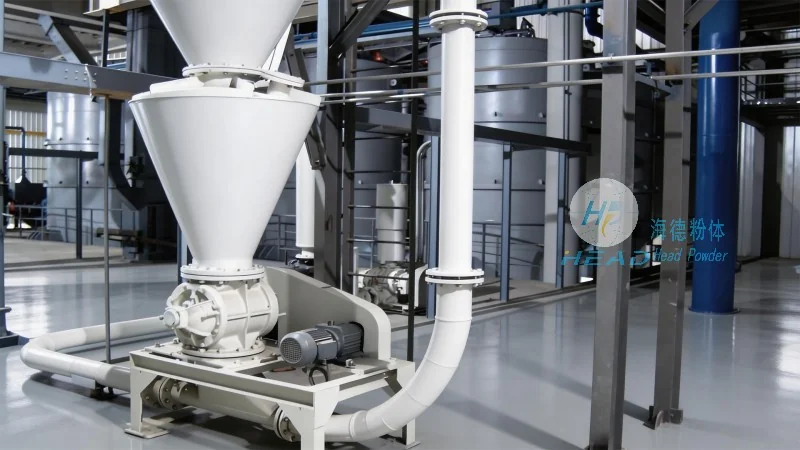
System Components and Their Roles
A typical fracturing sand pneumatic conveying system consists of several key components, each with a specific function. The main components include a storage hopper, a rotary airlock feeder, a conveying line (often with a pulse jet filter for dust control), a receiver hopper, and a discharge valve. The storage hopper is designed to hold the fracturing sand, while the rotary airlock feeder controls the flow rate of the material into the conveying line. The conveying line transports the sand using compressed air, and the pulse jet filter removes dust particles from the air stream, ensuring clean air for the system and compliance with environmental regulations. The receiver hopper collects the sand at the application point, and the discharge valve regulates the release of the material into the fracturing equipment.
Design Process and Calculations
The design of a pneumatic conveying system involves detailed calculations to determine the appropriate air velocity, pressure drop, and power requirements. Engineers must consider the specific gravity and particle size distribution of the fracturing sand, as these properties affect the system's performance. For example, larger or heavier particles may require higher air velocities to maintain suspension in the conveying line. The pressure drop along the conveying line is calculated based on the length, diameter, and material of the pipe, as well as the number of bends and fittings. Proper calculation of these parameters ensures that the system operates within its design limits, preventing excessive energy consumption or equipment damage.
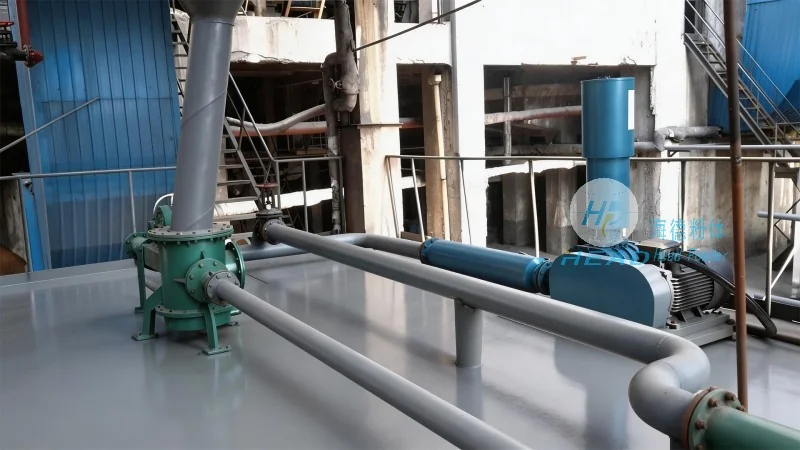
Customization and Integration with Existing Infrastructure
Many oil and gas operations have existing infrastructure that can be integrated with the new pneumatic conveying system. Shandong HeadPowder Engineering Co., Ltd. specializes in designing systems that are compatible with existing storage facilities, processing plants, and well sites. This integration reduces installation time and costs while ensuring seamless operation. The company's engineers work closely with clients to assess their current infrastructure and develop a customized solution that meets their specific needs. This approach ensures that the system is not only efficient but also cost-effective and easy to maintain.
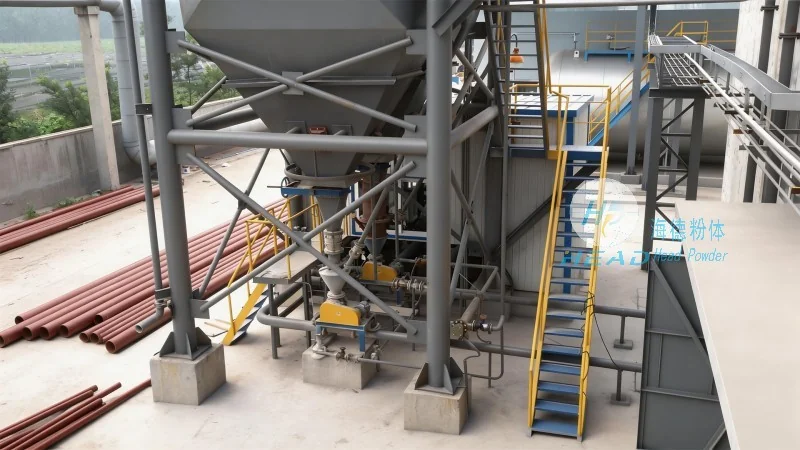
Maintenance and Operational Considerations
Regular maintenance is essential to ensure the long-term reliability and efficiency of a fracturing sand pneumatic conveying system. Key maintenance tasks include cleaning the pulse jet filter, inspecting the rotary airlock feeder for wear, and checking the conveying line for blockages or leaks. Proper maintenance schedules, as recommended by the manufacturer, help prevent system downtime and extend the lifespan of the equipment. Additionally, operational considerations such as monitoring air pressure and flow rates can help identify potential issues before they become major problems. By following these maintenance and operational guidelines, operators can ensure that their system continues to perform at optimal levels.
Conclusion
Designing a reasonable fracturing sand pneumatic conveying system requires a comprehensive approach that considers material properties, operational requirements, and system components. With the expertise of companies like Shandong HeadPowder Engineering Co., Ltd., operators can develop efficient and reliable systems that enhance the productivity of their oil and gas operations. By focusing on key design factors, proper component selection, and regular maintenance, the system can deliver consistent performance and contribute to the success of hydraulic fracturing projects.




