When it comes to designing an efficient and reliable aerodynamic conveying system for silica, several critical factors must be considered to ensure optimal performance and long-term operational success. The process involves a comprehensive evaluation of the material properties, system requirements, and operational constraints to develop a tailored solution that meets specific industrial needs.
Key Considerations in Silica Aerodynamic Conveying System Design
One of the primary considerations is the physical and chemical characteristics of silica. Silica, often in the form of fine powders or granules, exhibits unique behavior during air-based transport. Its particle size distribution, density, and moisture content directly impact the air velocity, pressure drop, and overall system efficiency. Understanding these properties is essential for selecting the appropriate conveying method—whether it's a dilute-phase or dense-phase system—and determining the necessary air flow rates and pressure levels.
Another critical factor is the distance and layout of the conveying line. The length and elevation changes between the material source and destination significantly influence the system design. For longer distances or elevated transport, higher air pressures and more robust equipment may be required to maintain material flow and prevent blockages. The system layout, including the number of bends, vertical sections, and horizontal runs, also affects the pressure drop and energy consumption, making it crucial to optimize the design for minimal energy use while ensuring consistent material delivery.
System Components and Their Roles
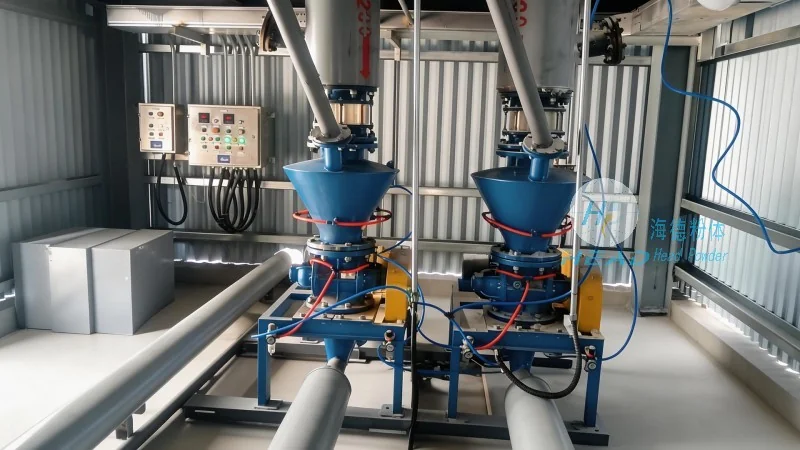
A well-designed silica aerodynamic conveying system typically consists of several key components, each playing a vital role in the overall operation. The primary components include the material feed hopper, air supply system (blowers or compressors), conveying pipeline, and material discharge equipment. The feed hopper is responsible for controlling the material flow rate and preventing air leakage, which can disrupt the conveying process. The air supply system generates the necessary pressure and volume of air to transport the silica particles through the pipeline. The conveying pipeline, often made of corrosion-resistant materials like stainless steel or PVC, must be properly sized and supported to handle the pressure and prevent sagging or damage.
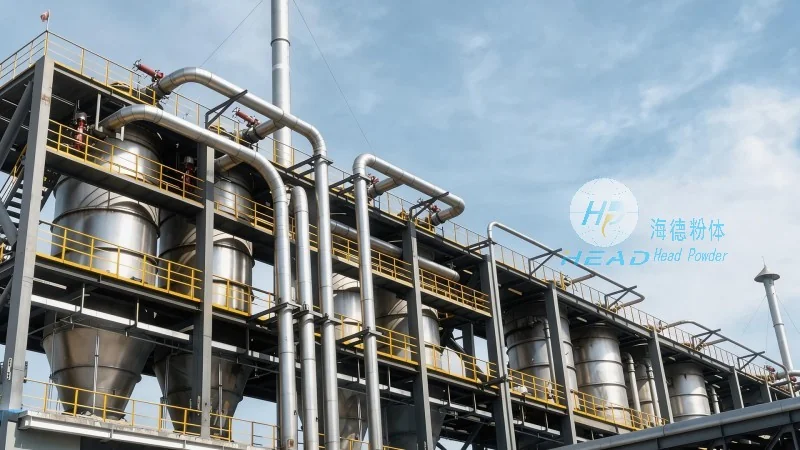
The material discharge equipment, such as rotary valves or dust collectors, ensures that the silica is delivered to the intended destination without spillage or loss. Additionally, dust collection systems are essential to maintain air quality and comply with environmental regulations. These components work in harmony to create a seamless and efficient conveying process, minimizing downtime and maximizing productivity.
Optimizing System Performance and Efficiency
Optimizing the performance of a silica aerodynamic conveying system involves balancing several variables to achieve the best results. This includes adjusting the air velocity to ensure that the silica particles are fully suspended without excessive pressure drop, which can lead to energy waste. Proper sizing of the pipeline and air supply equipment is critical to avoid over or under-pressurization, which can cause material buildup or system failure. Regular maintenance and monitoring of the system components, such as checking for leaks in the air supply or blockages in the pipeline, are also essential to maintain optimal performance.
Energy efficiency is a key consideration in modern system design. By selecting the right equipment and optimizing the system layout, operators can reduce energy consumption and lower operational costs. For example, using variable frequency drives (VFDs) to control the air flow and pressure can adjust the system's output based on actual demand, preventing unnecessary energy use. Additionally, implementing proper sealing and filtration systems can minimize air loss and maintain consistent air quality, further enhancing efficiency.
Case Study: A Successful Silica Conveying System Implementation by HeadPowder
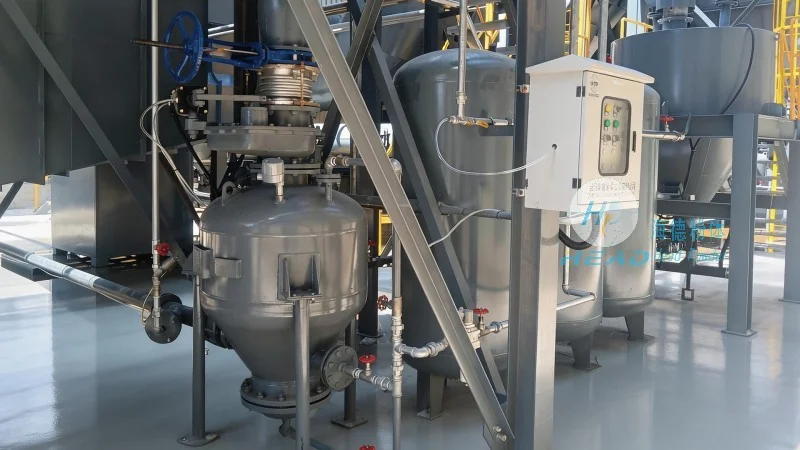
Shandong HeadPowder Engineering Co., Ltd., a leading provider of industrial conveying solutions, has successfully implemented numerous silica aerodynamic conveying systems for clients across China. One notable project involved designing a system for a silica processing plant in Shandong, China. The system was tailored to transport fine silica powders over a distance of 200 meters with multiple elevation changes. By carefully analyzing the material properties and system requirements, HeadPowder engineers selected a dilute-phase conveying system with a high-efficiency blower and appropriately sized pipeline. The system was designed to operate at a pressure of 0.8 bar and an air flow rate of 10,000 cubic meters per hour, ensuring consistent material delivery with minimal pressure drop.
The implementation of this system resulted in significant improvements for the client. The system achieved a conveying efficiency of over 95%, with minimal material loss and reduced downtime. The energy consumption was optimized through the use of VFDs, reducing operational costs by approximately 20% compared to traditional systems. The client reported increased productivity and improved safety due to the sealed and dust-free operation of the system. This case study highlights the importance of professional system design and the expertise of companies like HeadPowder in delivering reliable and efficient silica conveying solutions.
Conclusion and Recommendations
Designing a reasonable silica aerodynamic conveying system requires a thorough understanding of material properties, system requirements, and operational constraints. By considering factors such as particle size, conveying distance, and system layout, engineers can develop a tailored solution that maximizes efficiency and minimizes costs. The key to success lies in selecting the appropriate components, optimizing system performance, and implementing proper maintenance practices. For businesses seeking to improve their silica handling processes, partnering with a reputable engineering company like Shandong HeadPowder Engineering Co., Ltd. can provide the expertise and support needed to design and implement a high-performance conveying system.




